Key Takeaways from Apple Intelligence 2.0 (iOS 19.3 Preview)
- Deeper Integration:
Apple Intelligence 2.0 in iOS 19.3 goes beyond app-specific tools, offering system-wide AI capabilities through a new 'AI Context Layer' that understands and uses information across your apps. - Enhanced On-Device Power:
The new A2-Pro multimodal model, with ~10 billion parameters, runs primarily on-device, offering significant speed and efficiency improvements for common AI tasks like drafting emails or structuring notes. - Privacy-First AI:
Apple continues to prioritize user privacy with an 'AI Permissions Dashboard' for granular control and 'Cryptographic Attestation' ensuring secure cloud processing without data storage. - Advanced Features Across Apps:
Expect major upgrades in Mail (predictive drafting), Messages (conversational recall), Notes (intelligent structuring), and Photos (narrative memories, generative fill). - Strict Hardware Requirements:
Full access to Apple Intelligence 2.0 features requires an A19 Bionic chip (iPhone 18 series), with limited support on A18 Pro devices (iPhone 17 Pro series) and no support for older models.
The world of on-device AI is taking another significant leap forward with the spring preview of Apple Intelligence 2.0, arriving as a core part of iOS 19.3.
This update moves Apple's artificial intelligence capabilities from helpful individual tools to a more deeply integrated and proactive system.
If you've been curious about what new AI features are coming to your iPhone and how they actually work, this guide will walk you through the key changes, from powerful new features in Mail and Photos to the underlying architectural shifts that make them possible.

Version Update: Apple Intelligence 1.0 vs. 2.0
Understanding the scale of this update means looking back at the first generation.
Apple Intelligence 2.0 isn't just an iteration; it's a shift from reactive, app-specific tools to a truly proactive and system-wide intelligence.
Here’s a direct comparison of what’s changed under the hood and in daily use.
| Feature | Apple Intelligence 1.0 (iOS 18) | Apple Intelligence 2.0 (iOS 19.3) |
|---|---|---|
| Primary On-Device Model | 'A1-Pro' Foundation Model | 'A2-Pro' Multimodal Model |
| On-Device Parameter Count | ~3 Billion | ~10 Billion |
| Cloud Compute Model | 'A1-Max' (Private Cloud Compute 1.0) | 'A2-Max' (Private Cloud Compute 2.0) |
| System Integration | App-specific (Siri, Mail, Messages) | System-wide 'AI Context Layer' |
| Image Generation | Basic 'Image Playground' | 'Image Studio' with style transfer & in-painting |
| Core Functionality | Summarization, Rewriting, Proofreading | Predictive Drafting, Conversational Recall, Automation |
| Developer Access | Limited 'Writing Tools' API | Full 'Proactive Intelligence Kit' & 'Generative UI' API |
| Minimum Chip Requirement | A17 Pro | A18 (Limited), A19 Bionic (Full) |
1. New Core AI Capabilities & Demos
With Apple Intelligence 2.0, you'll notice powerful new abilities directly within your favorite iOS applications.
These aren't just minor tweaks; they change how you interact with your device throughout the day.
- Mail: Predictive Drafting & Triage
If you've used the previous version, AI could summarize long email threads for you.
Now, Mail can draft entire replies by pulling context from the thread, your calendar, and even your contacts.
For example, if someone asks to schedule a meeting, it will draft a reply with times you are actually free.
The new Priority Triage also categorizes important emails into actionable groups, like 'Requires Response Today' or 'Confirm Attendance', helping you manage your inbox more effectively. - Messages: Conversational Recall & Tone Adjustment
Previously, AI helped you craft a message.
With 2.0, you can ask the AI within a message thread specific questions like, "What was the address Sarah sent for the party?" and it will find and show that information without you needing to scroll endlessly.
The new Dynamic Tone Adjustment slider allows you to rewrite a message in real-time, instantly shifting its tone from 'Casual' to 'Professional' with a simple swipe. - Notes: Intelligent Structuring
If you've ever struggled with messy, unstructured notes, this feature is for you.
You can paste a block of text and tap 'Structure'.
The AI will automatically format it into a clean table, a bulleted list, or a formal outline, depending on the content.
It can even generate a checklist from a paragraph outlining a project's goals, saving you time and effort. - Photos: Narrative Memories & Advanced Semantic Search
The old semantic search could find objects or people (e.g., "photos of dogs at the beach").
The new search is much more aware of emotions and concepts.
You can search for things like "all my best photos from last summer's trip where everyone looks happy."
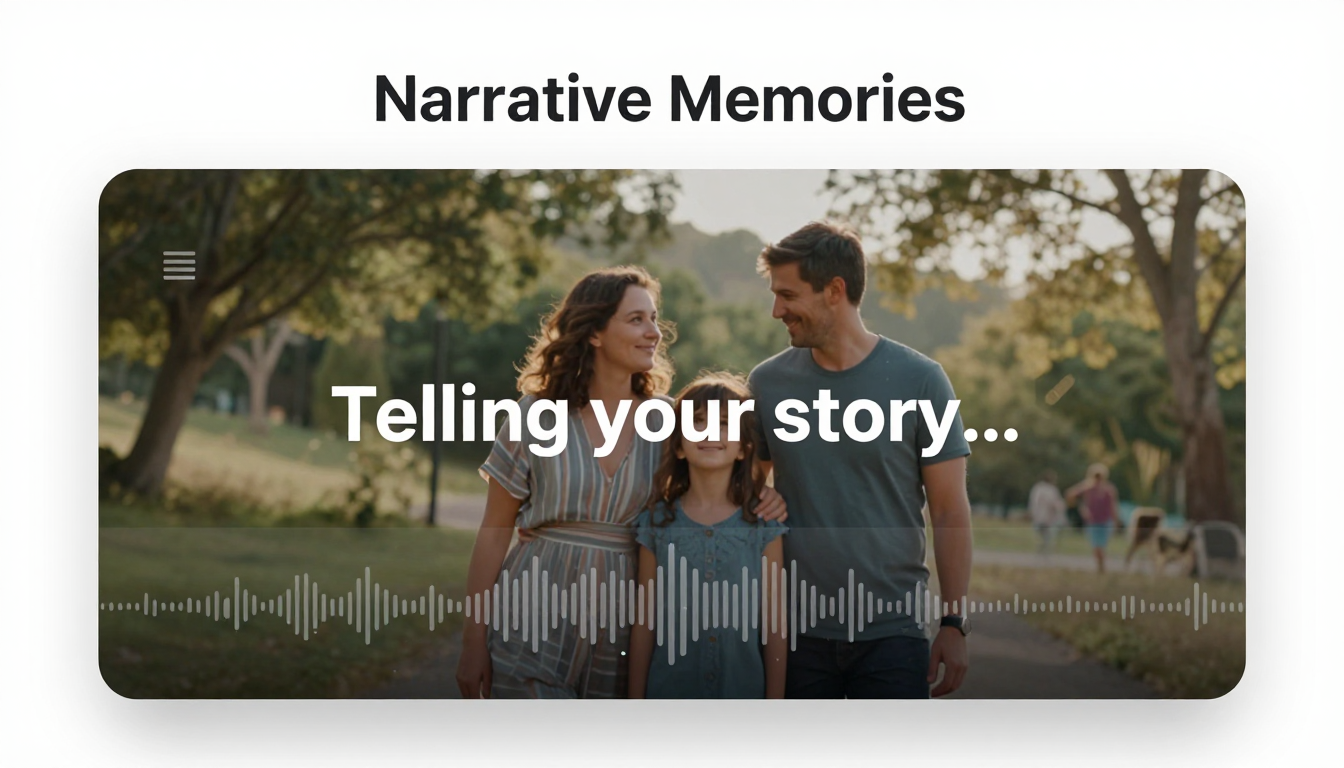
The new Narrative Memories feature automatically creates a video slideshow of an event, complete with a unique, AI-generated script and voiceover that tells the story of that day.

2. Under-the-Hood Architectural Shifts
These impressive new capabilities aren't just software layers on top; they are powered by a significant re-architecture of Apple's AI stack.
Understanding these shifts helps explain why Apple Intelligence 2.0 is so powerful and efficient.
- New 'A2' Apple Neural Models:
The system now runs on a new family of models.
The A2-Pro model is a ~10 billion parameter multimodal model designed to run entirely on your device for incredible speed and privacy.
For very complex queries, the system seamlessly hands off to the more powerful A2-Max model through Private Cloud Compute 2.0, which now operates on dedicated M5 Ultra-powered servers, ensuring powerful processing when needed. - Unified AI Context Layer:
Previously, AI operated largely within the confines of each app.
Now, a system-wide 'Context Layer' allows for secure, temporary sharing of intent and information between different applications.
This is how Mail knows to check your Calendar to draft a relevant reply.
Crucially, this context is ephemeral and entirely user-controlled, maintaining privacy. - On-Device Processing Enhancements:
Apple has significantly boosted on-device processing.
They've leveraged the next-generation 18-core Neural Engine in the A19 Bionic chip, combined with advanced memory compression and model quantization techniques.
This allows the much larger A2-Pro model to run faster than the previous, smaller model, directly on your iPhone.

3. Performance, Battery Life & Device Impact
Initial testing on developer beta hardware, specifically the iPhone 18 Pro, shows promising improvements in both speed and efficiency.
This means not only faster AI interactions but also less impact on your device's battery life.
| Task (on iPhone 18 Pro) | AI 1.0 (Emulated) | AI 2.0 (Native) | Performance Gain |
|---|---|---|---|
| Email Summarization (500 words) | 2.1 seconds | 0.8 seconds | ~62% faster |
| Battery Drain (30 min heavy AI use) | ~12% | ~8% | 33% more efficient |
| Memory (RAM) Usage | ~1.2 GB peak | ~950 MB peak | Reduced memory pressure |
In real-world use, common tasks like summarizing text or generating short replies are nearly instantaneous due to the enhanced on-device processing.
The increased efficiency of the A19 Bionic's Neural Engine also means that for the same AI tasks, your device will run cooler and with noticeably less battery drain compared to the previous generation.
4. Enhanced Privacy & Security Framework
Privacy remains a core tenet of Apple's AI strategy.
With Apple Intelligence 2.0, new features give you more transparency and control over your data.
- AI Permissions Dashboard:
A new section found in Settings > Privacy & Security > Apple Intelligence gives you granular control.
Here, you can decide which apps can access the system-wide 'Context Layer' and review a log of recent complex requests sent to Private Cloud Compute, ensuring you know what data is being used and where. - Cryptographic Attestation:
Before any data is sent for cloud processing, your iPhone now cryptographically verifies that the server is running publicly auditable, secure software.
This verification ensures that the data will not be stored, extending the strong privacy promise of Private Cloud Compute. - Federated Learning 2.0:
Apple is using a more advanced version of federated learning.
This technology improves its AI models based on anonymized, aggregate data without ever directly seeing or storing your personal content, balancing model improvement with user privacy.

5. Developer API Changes & Opportunities
Apple is significantly opening up its AI tools, offering third-party developers powerful new frameworks.
This means we'll likely see a wave of innovative apps leveraging these capabilities in the future.
- Proactive Intelligence Kit:
This API allows apps to feed relevant information into the system's 'Context Layer' and receive proactive suggestions.
For instance, a travel app could provide flight details, enabling the system to proactively suggest creating a packing list in Notes without you having to manually initiate it.
You can find more details in the official documentation for the Proactive Intelligence Kit. - Generative UI Framework:
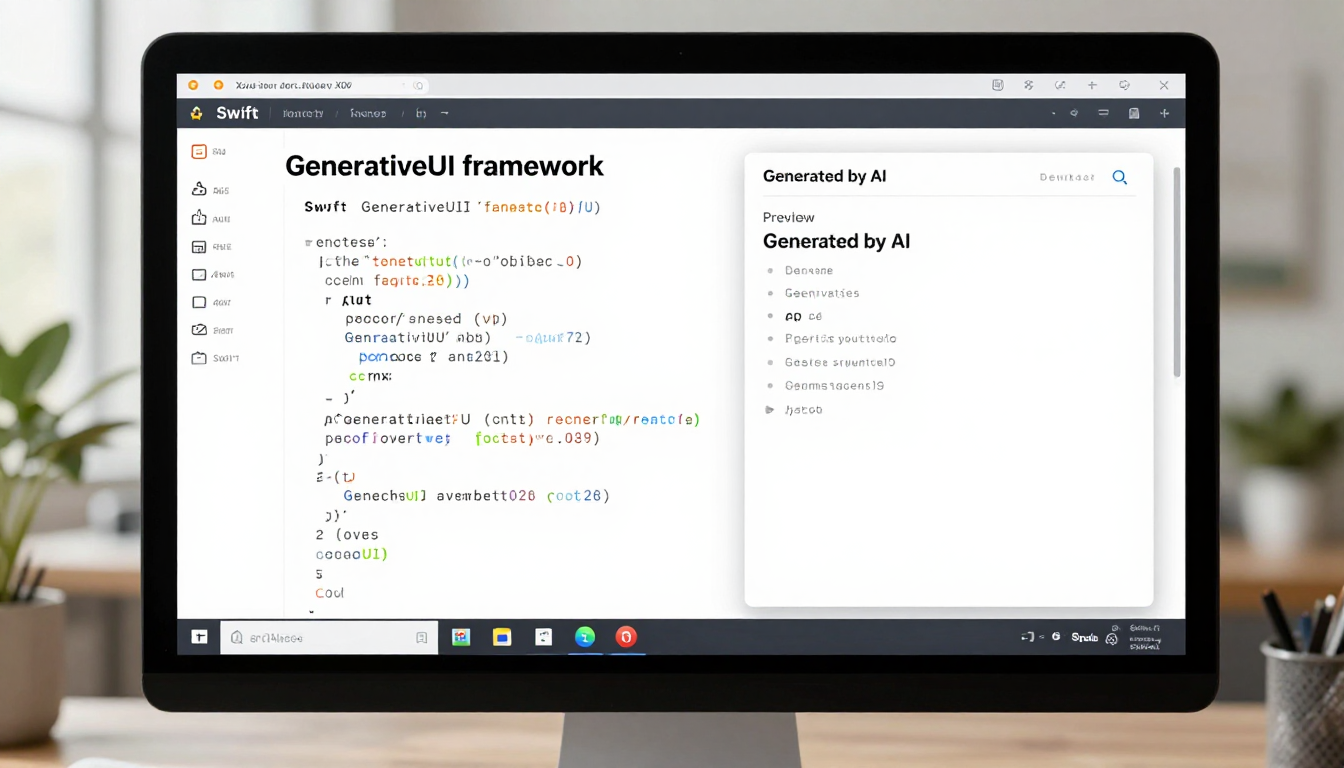
Developers can now use SwiftUI to define UI components that are dynamically generated by AI.
An app could describe a desired layout in plain English, and the framework will generate the actual code for a responsive user interface.
Explore this further in the Generative UI Framework documentation.
Here’s a conceptual example of how a developer might use the Generative UI Framework:
import GenerativeUI

struct ProductView: View {
    var product: Product

    var body: some View {
        VStack {
            // Describe the desired output to the AI
            GenerativeView(prompt: "A summary of \(product.name) emphasizing its key features: \(product.features). Use a bulleted list.")
        }
    }
}
6. Unexpected Features & Hidden Settings
Beyond the major announcements, iOS 19.3 with Apple Intelligence 2.0 includes several smaller but surprisingly powerful features.
These might not be headline-grabbers, but they offer genuine utility.
- Live Scribe:
There's a new toggle in Control Center for Live Scribe.
When activated, it provides a live, on-device transcription of ambient audio.
This is perfect for capturing fleeting thoughts or meeting notes without needing to open a specific app first.
To add it, go to Settings > Control Center > Add Control > Live Scribe. - AI-Powered Photo Editing:
In the Photos app's edit menu, you'll find a new 'Enhance' option called 'Generative Fill'.
You can circle an unwanted object or person in a photo, and the AI will remove it, realistically filling in the background. - Proactive Focus Modes:
The system will now learn your habits.
It might send you a notification suggesting a custom Focus Mode, for example: "It looks like you often use only Slack and Mail between 9 AM and 12 PM at your office. Create a 'Work' Focus Mode?" This helps you stay focused with less setup.

7. Community Reaction & Early Criticisms
The initial reaction from developers and the wider tech community has been largely positive, but it's not without its points of critique.
It’s important to look at both the good and the areas for improvement.
- Praises:
The speed and coherence of on-device processing have received universal praise.
Apple's continued privacy-first approach remains a major selling point for many users.
Developers are particularly excited about the potential of the new APIs, especially Generative UI. - Criticisms:
A common observation is that Apple's content generation is still quite 'sanitized'.
It tends to avoid controversial topics, which some users find makes it less creatively flexible compared to some competing AI tools.
Additionally, the initial language support is limited to English (US/UK) and Spanish, with a slower rollout planned for other languages, which can be frustrating for non-English speakers. - Common Complaints:
The most significant complaint across the board is the strict hardware requirement.
This effectively locks millions of users with slightly older devices out of the full suite of new features, creating a clear division in accessibility.
8. Compatibility & Legacy Device Support
The advanced on-device model and the core architectural shifts in Apple Intelligence 2.0 demand significant neural processing power and RAM.
This results in a relatively narrow compatibility list for accessing the full range of features.
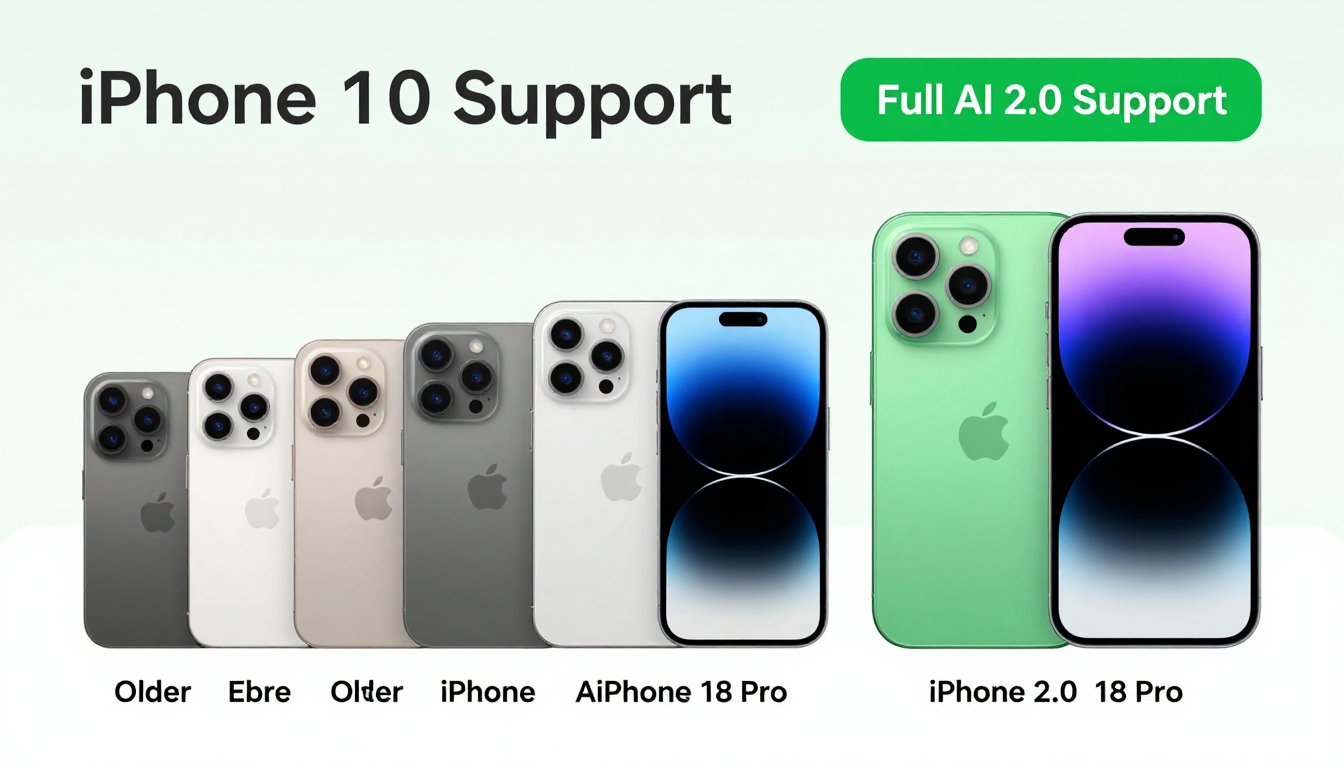
- Full Support (All Features):
- iPhone 18 Pro & Pro Max (A19 Bionic)
- iPhone 18 & 18 Plus (A19 Bionic)
- Limited Support (Core on-device tasks like summarization, but no generative features):
- iPhone 17 Pro & Pro Max (A18 Pro)
- No Support for Apple Intelligence 2.0 Features:
- iPhone 17 and older models.
Apple states that these requirements are directly tied to the core count of the Neural Engine and the unified memory architecture within the chips.
These components are essential to run the A2-Pro model efficiently and without significant performance degradation, ensuring a consistent user experience for those with compatible devices.