- The impact of Artificial Intelligence on careers is a tangible reality in 2026, requiring immediate adaptation.
- Focus on three core AI trends: Hyper-Personalized AI Agents, Generative Physical AI (Robotics), and Unified Multimodal AI Platforms.
- Upskill in areas like advanced prompt engineering, robotics simulation software, and multimodal prompting to stay competitive.
- Hyper-Personalized AI Agents offer the broadest and most immediate career transformation due to lower barriers to entry and wide applicability.
- Mitigate job displacement by shifting from task execution to strategic oversight, critical thinking, and ethical AI system management.
Navigating 2026: Essential AI Trends Shaping Your Career Now
As we navigate early 2026, discussions about Artificial Intelligence's influence on the workforce are no longer theoretical.
The transformations observed earlier this decade have significantly accelerated, fundamentally reshaping job roles, required skills, and career paths across nearly every industry.
Understanding these shifts is crucial for anyone looking to secure their professional future today.
This guide analyzes three dominant AI trends that are directly impacting career trajectories, offering insights into how you can adapt and thrive.
We'll cover everything from identifying these trends to practical upskilling pathways and real-world success stories.
Identifying the Top AI Career Trends for 2026
To identify the most impactful AI trends for 2026, we applied a rigorous selection methodology.
Our focus was on trends that offer more than incremental improvements; we looked for those fundamentally altering workflows and creating new job categories.
Our criteria centered on three points:
- Disruptive Potential:
The trend’s ability to reshape existing processes and create entirely new job functions, not just minor enhancements - Industry Adoption Rate:
Evidence of widespread implementation beyond just major tech firms, indicating significant investment and integration across diverse sectors throughout 2025. - Skill Transformation:
The degree to which the trend necessitates a fundamental change in professional skills, moving towards strategic oversight, human-AI collaboration, and ethical governance.
Based on these criteria, three trends stood out overwhelmingly: Hyper-Personalized AI Agents, Generative Physical AI (Robotics), and Unified Multimodal AI Platforms.
AI Career Impact: A Comparison of Trends
Understanding the specific impact of each trend is key to planning your career strategy.
The table below offers a head-to-head comparison, detailing their core concepts, affected roles, and new skill requirements.
| Feature | 1. Hyper-Personalized AI Agents | 2. Generative Physical AI (Robotics) | 3. Unified Multimodal AI |
|---|---|---|---|
| Core Concept | Autonomous software agents performing complex, multi-step digital tasks. | AI-driven robots performing complex, non-repetitive physical tasks. | Single platforms generating and editing text, code, image, video, and 3D models. |
| Impacted Job Roles | Project Managers, Data Analysts, Marketers, Paralegals, Customer Support | Warehouse Staff, Lab Technicians, Construction Workers, Nurses (for logistics) | Graphic Designers, Video Editors, Architects, Game Developers, Product Designers |
| Required Skill Sets (New) | Prompt Engineering, Agent Configuration, Workflow Automation, API Integration | Robotics Process Automation (RPA), Simulation Software (e.g., NVIDIA Isaac Sim), Human-Robot Interaction Design | 3D Modeling, Synthetic Data Generation, Virtual Environment Creation, AI Ethics in Media |
| Potential for Automation | High (for routine digital tasks, research, scheduling, data entry) | High (for structured physical labor, material handling, quality inspection) | Moderate to High (for asset creation, prototyping, initial drafts) |
| New Opportunity Creation | AI Agent Orchestrator, AI Workflow Strategist, AI Ethics Officer | Robotics Fleet Manager, AI Safety Supervisor, Custom Robot Solution Designer | Synthetic Reality Developer, AI Art Director, Immersive Training Designer |
| Key Industries | Finance, Legal, Tech, Marketing, Healthcare (Admin) | Manufacturing, Logistics, Healthcare (Clinical), Agriculture, Construction | Media & Entertainment, Architecture, Engineering, E-commerce, Education |
Future-Proofing Your Career: Essential Upskilling Pathways
Adapting to these trends means proactively acquiring new skills.
Here are the competencies you should focus on for each AI trend.
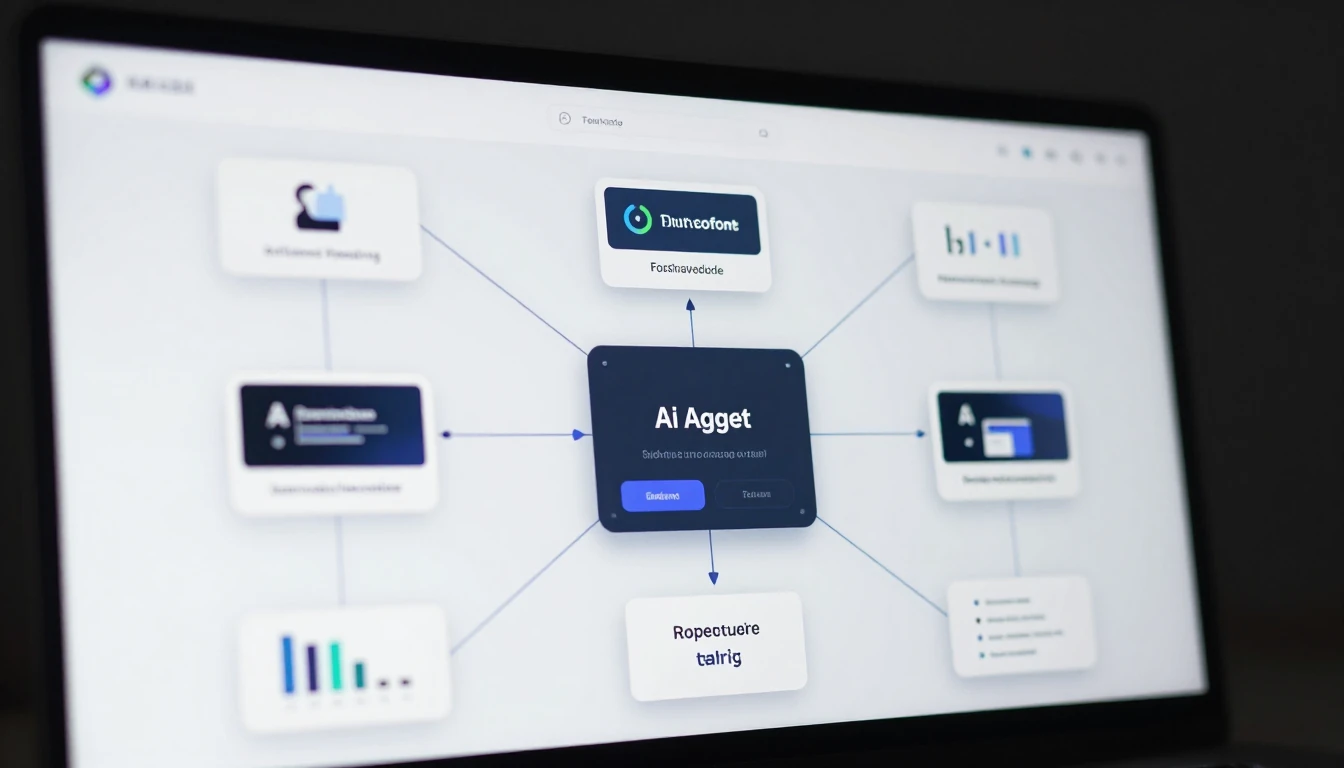
Trend 1: Hyper-Personalized AI Agents
This area requires precision in instructing AI and integrating it into existing workflows.
Technical Skills:
- Advanced Prompt Engineering:
Learn to craft complex, multi-step instructions that guide AI agents effectively.
This goes beyond simple queries. - Low-Code/No-Code Platforms:
Become proficient with tools like Zapier or Make, or their current 2026 equivalents, to connect agent actions across various software applications. - API Fundamentals:
Understand how agents interact with different services through Application Programming Interfaces to execute tasks seamlessly.
Soft Skills:
- Systems Thinking:
Develop the ability to map out intricate business processes suitable for automation. - Critical Evaluation:
Always verify the output and reasoning of AI agents before fully implementing their suggestions or actions.
Learning Resources:
- Online courses such as Coursera's "AI for Everyone."
- Official documentation from leading Large Language Model (LLM) providers like OpenAI.
- Tutorials on workflow automation platforms.
Trend 2: Generative Physical AI (Robotics)
Working with robots involves both software management and an understanding of physical interaction.
Technical Skills:
- Robotics Simulation Software:
Gain proficiency in platforms such as NVIDIA Isaac Sim or CoppeliaSim.
These tools allow you to test robot behaviors in virtual environments before physical deployment. - RPA & Fleet Management Software:
Familiarize yourself with dashboards that control and monitor fleets of autonomous robots. - Basic Python Scripting:
Acquire foundational Python skills for customizing robot behaviors and analyzing their performance data.

Soft Skills:
- Human-Robot Collaboration:
Learn to design safe and efficient workflows where humans and robots work together. - Risk Assessment:
Identify and mitigate potential physical and operational risks associated with robotics deployment.
Learning Resources:
- Certification programs from robotics manufacturers like KUKA or FANUC.
- Courses on robotics fundamentals available on platforms like edX.
- Documentation provided by NVIDIA's robotics platforms.
Trend 3: Unified Multimodal AI
This trend integrates various creative outputs, requiring a blend of technical and artistic direction.
Technical Skills:
- Multimodal Prompting:
Master writing prompts that effectively combine text, image, and style inputs to achieve desired creative outputs. - 3D/VR/AR Software:
Develop familiarity with tools like Unreal Engine, Unity, and Blender, which now feature deep AI integrations. - Synthetic Data Generation: Understand how to leverage AI to create synthetic datasets for training other AI models.

Soft Skills:
- Creative Direction:
Guide AI tools to match a specific artistic vision or brand identity. - Ethical Judgment:
Learn to recognize and flag AI-generated content that might be biased, harmful, or infringe on intellectual property.
Learning Resources:
- Adobe's tutorials for AI features within Creative Cloud applications.
- Tutorials from generative art platforms such as Midjourney.
- Courses on Unreal Engine 5 or later versions.
The Return on Investment (ROI) of AI Skills
Investing time and effort into these skills offers a clear return.
Professionals skilled in AI Agent orchestration are seeing significant salary growth.
They transition into 'AI-augmented strategists,' automating lower-value tasks to focus on high-impact decision-making.
In logistics and manufacturing, a Robotics Fleet Coordinator typically earns substantially more than a traditional floor manager.
This role also offers greater job security, reflecting the high capital investment in the technology they manage.
For creatives, mastering Multimodal AI allows a single professional to produce the output of a small team.
This makes them invaluable as freelancers or lead designers, justifying premium rates.
The consistent theme across these roles is a shift from being a 'task-doer' to a 'system-director,' a change that consistently leads to higher compensation and career longevity.
AI in Action: Real-World Professional Adaptations (2025 Insights)
Here are some real-world examples from 2025 that illustrate how professionals are already leveraging these AI trends.
Case Study 1: The Marketing Team & AI Agents
In 2025, a mid-sized e-commerce firm based in Chicago implemented a custom AI agent, built on a GPT-4 (or successor) architecture, for its marketing team.
The agent took over daily competitor analysis, generated initial drafts of ad copy, and scheduled social media content for the week.
This allowed the four-person marketing team to reallocate their time from operational tasks to long-term brand strategy and creative campaign development.
The result was a 15% increase in engagement and a 20% reduction in agency contractor costs.

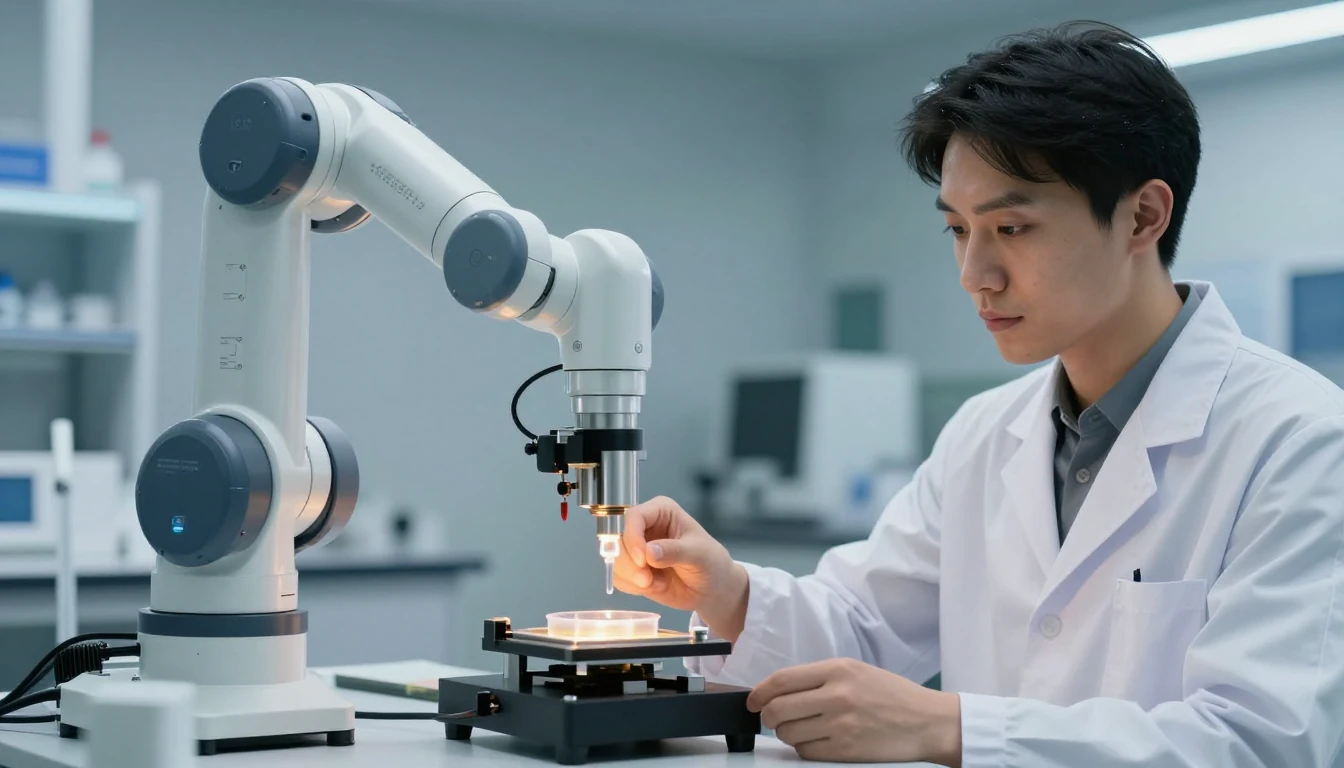
Case Study 2: The Lab & Generative Physical AI
A biotech lab in California faced challenges with a backlog in sample processing.
In late 2024, they deployed two collaborative robots (cobots).
By mid-2025, these robots, supervised by a lab technician, were performing liquid handling, plate loading, and data logging around the clock.
This tripled the lab's testing capacity, significantly reduced the risk of human error, and upskilled the technician into a 'Robotics & Automation Supervisor' role.
The technician now oversees the entire process and manages any exceptions.
Strategies for Career Navigation: Early-Career vs. Seasoned Professionals
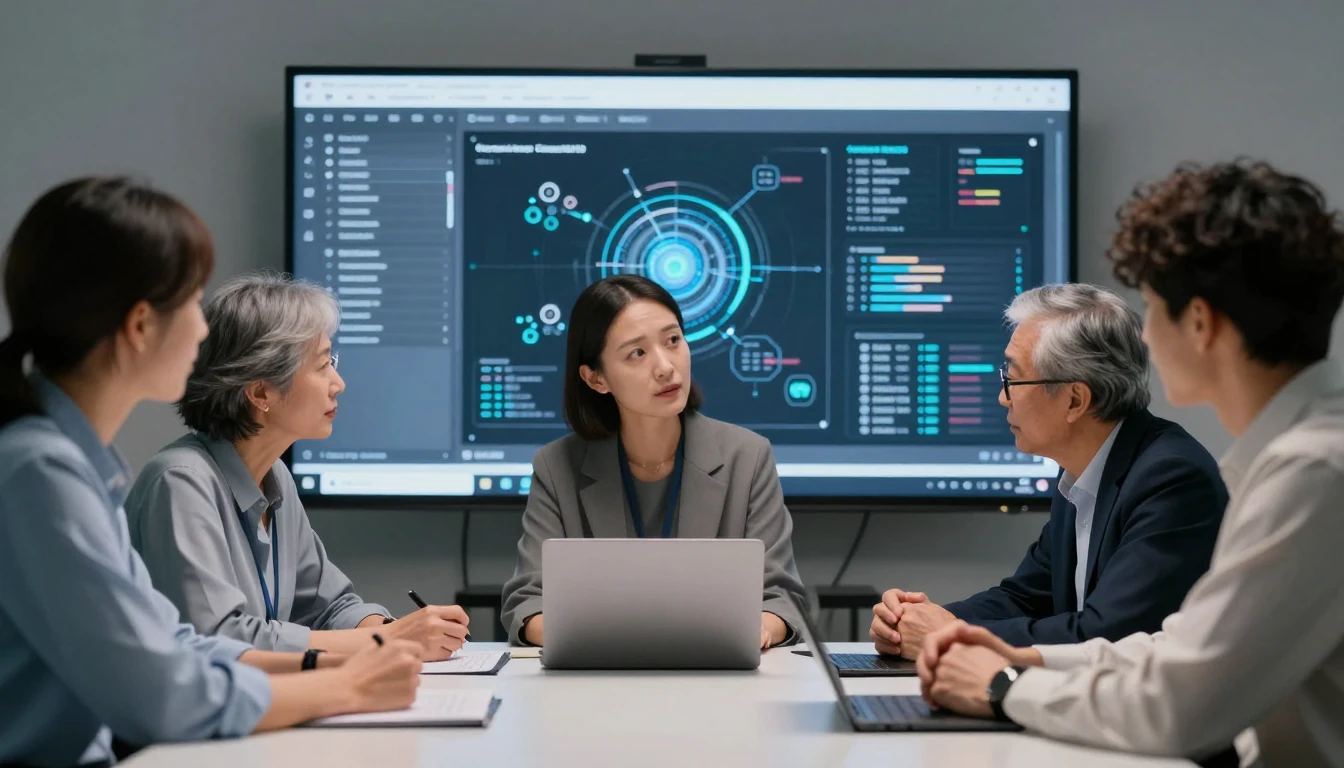
Adapting to the AI-driven workforce requires different approaches depending on your career stage.
For Early-Career Professionals (0-5 years experience):
- Embrace AI-Native Skills:
Don't just learn traditional methods.
Build your foundational skills directly within AI-integrated tools and become the go-to person for leveraging the latest AI features. - Specialize in an Emerging Role:
Instead of aiming for a generic 'Data Analyst' title, consider roles like 'AI Workflow Analyst' or 'Synthetic Data Specialist.'
Specializing in a high-growth niche is a fast path to advancement. - Show, Don't Tell:
Use AI agents to build a portfolio of automated projects.
Leverage multimodal AI to design a personal website or a creative project.
Proactively demonstrate your skills.
For Seasoned Professionals (10+ years experience):
- Augment, Don't Replace:
Use AI to amplify your deep industry expertise.
Your domain knowledge allows you to ask the right questions and critically evaluate AI outputs.
Your value lies in strategic oversight, not manual execution. - Lead the Transition:
Champion pilot projects for AI integration within your department.
Your experience makes you an ideal candidate to manage the human aspect of technological change and ensure smooth adoption. - Mentor and Reverse-Mentor:
Mentor junior colleagues on industry context while allowing them to mentor you on the practical applications of the newest AI tools.
This fosters a powerful, cross-generational learning dynamic.
Addressing Risks: Job Displacement and Ethical Considerations
While these AI trends offer immense promise, they also bring significant challenges that require proactive management.
Job Displacement:
Roles that are highly repetitive, such as data entry, basic content creation, and structured physical tasks, face the highest risk of automation.
The primary strategy for individuals to mitigate this is to focus on upskilling towards roles that demand critical thinking, creativity, emotional intelligence, and complex AI system management.
These tasks largely remain within the human domain.
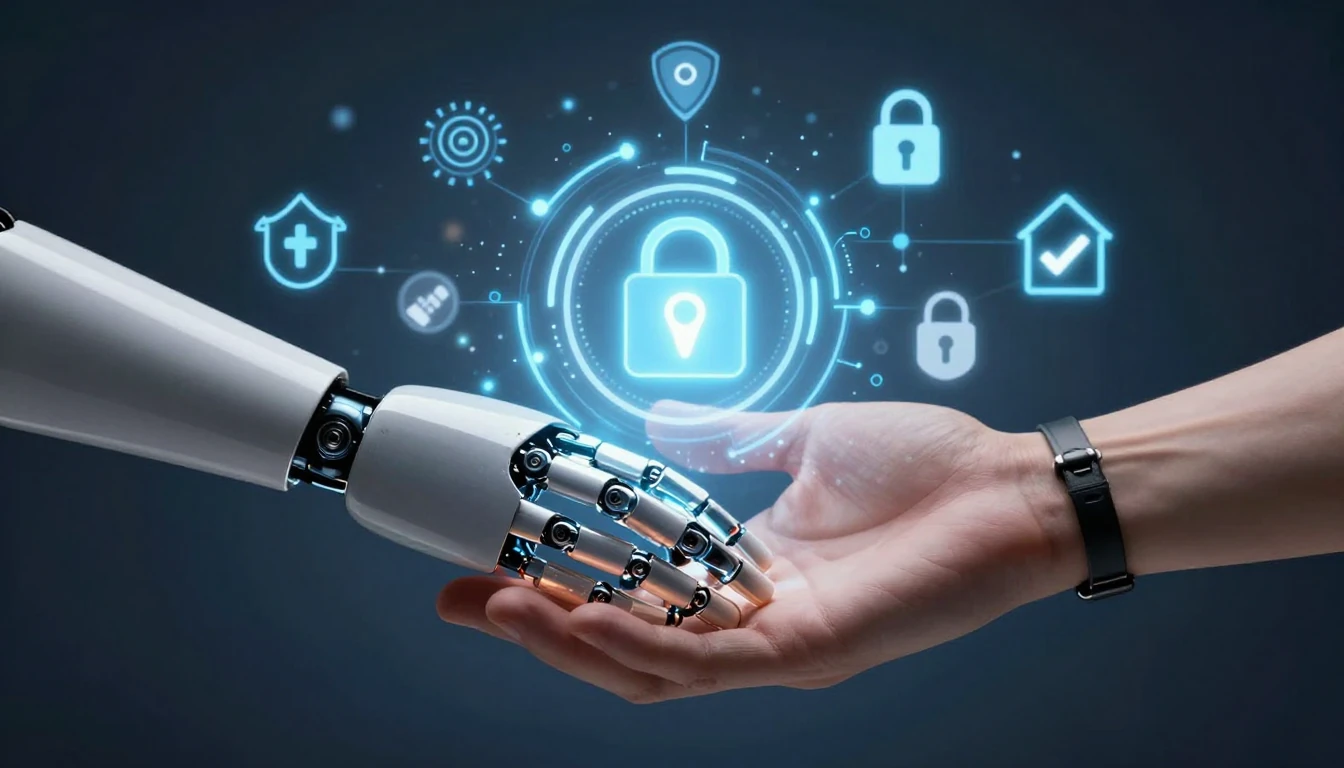
Ethical Concerns:
Ethical considerations are paramount across all AI applications:
- AI Agents:
These raise concerns about data privacy and employee monitoring.
Organizations must establish transparent policies on what data agents can access and for what specific purposes. - Physical AI:
This trend introduces challenges related to safety protocols and accountability.
Clear frameworks must define who is responsible when a robot causes an accident or makes a mistake. - Multimodal AI:
This area intensifies existing problems like misinformation (often called 'deepfakes') and intellectual property theft.
Professionals must advocate for and utilize tools that support content provenance and ethical data sourcing practices.
The Most Transformative Trend for Your 2026 Career Strategy
While all three trends are impactful, Hyper-Personalized AI Agents will likely have the most significant and immediate transformative effect on the broadest range of careers in 2026.
Generative Physical AI and Multimodal AI are powerful, but for now, they are more vertically integrated within specific industries like manufacturing, media, and design.
Their widespread adoption often requires substantial capital investment or specialized technical infrastructure.
In contrast, AI agents are software-based, infinitely scalable, and can be integrated into the daily workflows of nearly every knowledge worker, from an accountant to a lawyer to a project manager.
Their capacity to automate the 'digital grunt work' that consumes hours of a typical workday represents a fundamental shift in productivity and job design.
The barrier to entry for individuals is lower, the applications are broader, and the impact on daily work life will be felt more universally and immediately.
Therefore, for your 2026 career strategy, developing skills in managing, directing, and orchestrating AI agents is the highest-leverage investment you can make right now.


