Key Takeaways from Bluesky's 2026 Roadmap
- Personalized Discovery: Bluesky is launching "Project Constellation," a new Discover feed that uses a multi-factor algorithm for hyper-personalized content recommendations, moving beyond the simplistic "What's Hot" feed.
- Real-time Functionality: Expected in 2026 are live-updating reply threads, real-time notifications, and potential typing indicators, requiring significant technical shifts that may impact battery and data usage.
- Community Reactions: The community is split between excitement for potential mainstream growth and skepticism regarding opaque algorithms and their impact on user control.
- Strategic Positioning: Bluesky is deliberately positioning itself as a direct competitor to traditional social media giants like X, rather than aligning strictly with the broader Fediverse.
- AT Protocol Evolution: The underlying AT Protocol will evolve to support real-time event subscriptions, potentially opening it up for a wider range of decentralized applications beyond social media.
Bluesky PBLL has just unveiled its highly anticipated 2026 roadmap, outlining significant changes that aim to transform the platform into a more compelling alternative in the social media space.
The announcement, detailed in their recent blog post titled "Looking Ahead: Our Vision for 2026," primarily focuses on a radically improved algorithmic discover feed and the introduction of foundational real-time features.
Let's break down what these updates mean for users, developers, and the platform's future.
Deep Dive: The 'Better' Discover Feed
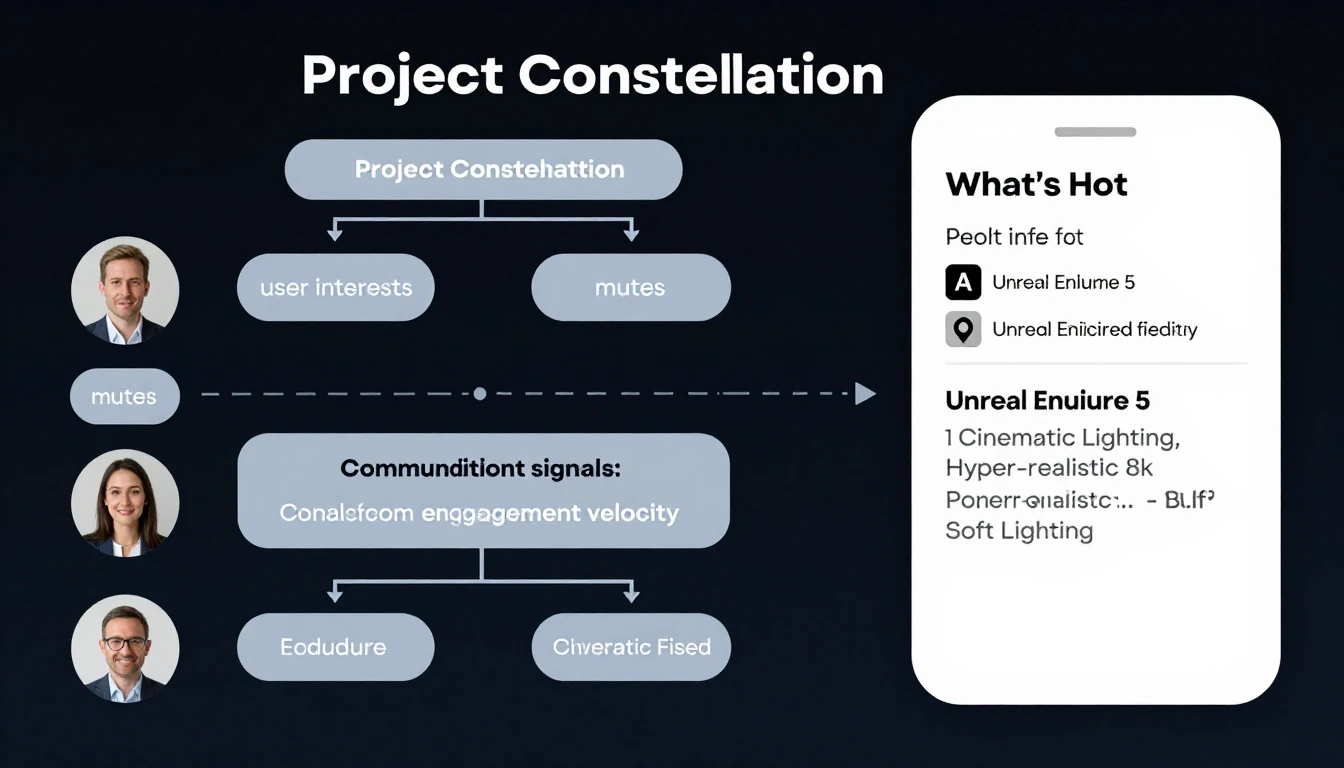
The centerpiece of Bluesky's 2026 vision is a comprehensive overhaul of its Discover feed, internally dubbed "Project Constellation."
The existing "What's Hot" feed, while functional, has often been criticized for its simplicity and its tendency to lag behind current trends.
This new system promises a far more personalized and context-aware experience, designed to help users find relevant content and connect with new communities.
Here's a breakdown of how the old system compares to the upcoming "Project Constellation":
| Feature | Old System (v1.x) | Promised New System ("Project Constellation") |
|---|---|---|
| Core Logic | Primarily based on raw engagement velocity (likes/reposts per hour). | Multi-factor model: Semantic content analysis, user interest graphs (based on follows, mutes, lists), and community signal weighting. |
| Personalization | Minimal. The feed is largely the same for all users. |
Hyper-personalized. Aims to surface content relevant to your specific interests and the "neighborhoods" of the network you engage with. |
| Content Diversity | Often surfaces posts from already-large accounts, creating echo chambers. | Designed to promote "serendipitous discovery" by identifying high-quality content from smaller, niche accounts. |
| Control | Limited to selecting from a few popular custom feeds. | Users will be able to see why a post was recommended (e.g., "Because you follow users interested in AI") and provide feedback to tune the algorithm. |
This algorithmic leap is Bluesky's direct response to the sophisticated recommendation engines seen on platforms like X and TikTok.
It aims to tackle the "cold start" problem for new users and significantly boost long-term engagement by providing a more dynamic and tailored content stream.
Real-time Reality Check: Performance & Battery
Beyond discovery, the roadmap teases the introduction of several real-time features throughout 2026.
These include:
- Live-updating reply threads, allowing you to follow conversations as they happen.
- Real-time notifications, providing in-app toasts without the need to pull-to-refresh.
- Potential for typing indicators in direct messages, similar to other chat applications.
While these additions are exciting, they introduce significant technical challenges.
Shifting from a pull-based data model to a persistent connection (likely via WebSockets or a new ATProto streaming API) has critical implications for client performance:
- Battery Life:
Maintaining a persistent connection can increase battery consumption on mobile devices.
Bluesky's development team will need to implement robust power-saving logic, such as pausing connections when the app is in the background, to mitigate this. - Data Usage:
Real-time data streams inherently consume more data than periodic fetching.
This will be a primary concern for users on limited mobile data plans. - App Responsiveness:
If not implemented carefully, constant real-time updates can lead to UI lag and unresponsiveness, especially on older or mid-range devices.
These features are currently only on the roadmap and haven't yet reached beta testers.
The developer community is cautiously optimistic, eagerly awaiting more implementation details to understand the true impact.

Bluesky Community Buzz: Early Reactions & Bugs
The roadmap announcement has sparked a flurry of discussions across the Bluesky network.
Several key themes have emerged from the community's early reactions:
- Excitement over Discovery:
Many users see "Project Constellation" as the crucial missing piece for Bluesky's mainstream adoption.
As @techsavvy.bsky.social posted, "FINALLY! A reason for my non-tech friends to join.
The 'What's Hot' feed was getting stale.
This could be a game-changer for visibility." - Algorithmic Skepticism:
A notable segment of the user base, many of whom migrated from other platforms to escape opaque algorithms, expressed wariness.
@privacyfirst.bsky.social commented, "I came here for a chronological feed of people I follow.
I hope we can completely turn this off.
Don't turn into another X."
This highlights a core tension within the decentralized social media space. - Developer Concerns:
Third-party client developers are discussing the implications of potentially new, complex APIs and the performance burden on their applications.
Whether the real-time streaming API will be openly documented and easy to integrate is a significant point of interest in developer circles.
Since these features are not yet in production, there are no specific bugs to report at this time.
Bluesky vs. The Fediverse: Shifting Sands
The 2026 roadmap clearly articulates Bluesky's distinct strategic path, setting it apart from the broader Fediverse (e.g., Mastodon).
- Bluesky:
Is actively pursuing a "better Twitter" model—aiming for a user-friendly, globally discoverable network built on a decentralized protocol.
The focus is on providing a seamless user experience, abstracting away the technical complexities of the underlying AT Protocol.
Their strategy centers on offering a polished product with decentralized benefits like data portability and choice in moderation. - Mastodon/Fediverse:
Continues to prioritize true federation, community autonomy, and granular user control.
Its strength lies in self-hosted instances and predominantly chronological timelines, appealing to users who want to explicitly curate their experience and community down to the server level.
This roadmap positions Bluesky not just as another Fediverse client, but as a direct rival to centralized platforms like X, targeting users who desire a familiar, centralized-feeling experience combined with the core advantages of decentralization.
New Opportunities for Creators & Brands
The announced updates represent significant opportunities for professional users, creators, and brands on Bluesky:
- Enhanced Reach:
"Project Constellation" offers creators a genuine pathway to organic growth beyond their existing follower base.
High-quality content that resonates within a niche will have a much higher chance of being surfaced to a wider, interested audience, which has been a challenge on Bluesky's previous discovery model. - Real-time Engagement:
For journalists covering breaking news, artists hosting live sessions, or brands running Q&A events, the upcoming real-time comment threads will be invaluable.
They will foster immediate community interaction and create a more dynamic environment for live discussions. - Trend-Jacking & Relevance:
An algorithm designed to quickly identify and surface emerging trends will empower brands and commentators to join conversations when they are most relevant.
This ability to react quickly to trending topics is a key engagement strategy that has been difficult to execute effectively on Bluesky until now.

Hidden Gems & Unexpected Tweaks in the Roadmap
Beyond the headline features, a close reading of the roadmap's technical addendum reveals several subtle yet impactful additions:
- Composable Feeds v2:
This isn't just about selecting a custom feed; it's an API update that will allow users to "stack" or "blend" multiple feeds.
For example, a user could create a feed that intelligently mixes 70% of their "Following" timeline with 30% of a custom algorithmic "For You" feed, offering unparalleled control over their content stream. - Advanced Mute & Filter Language:
Bluesky plans a more powerful muting system.
This includes support for regular expressions (regex) for precise keyword filtering, the ability to subscribe to and share mute lists, and new options to filter posts by language or even by the specific AI model used to generate accompanying images.
This greatly enhances user agency over their feed content. - Optimized Media Processing:
Backend enhancements are planned to re-encode and cache media more efficiently.
This will lead to faster image and video load times, particularly beneficial for users in low-bandwidth situations, improving the overall user experience.
The AT Protocol's Evolution: Beyond 2026
The implementation of these new features necessitates significant evolution in the underlying AT Protocol itself.
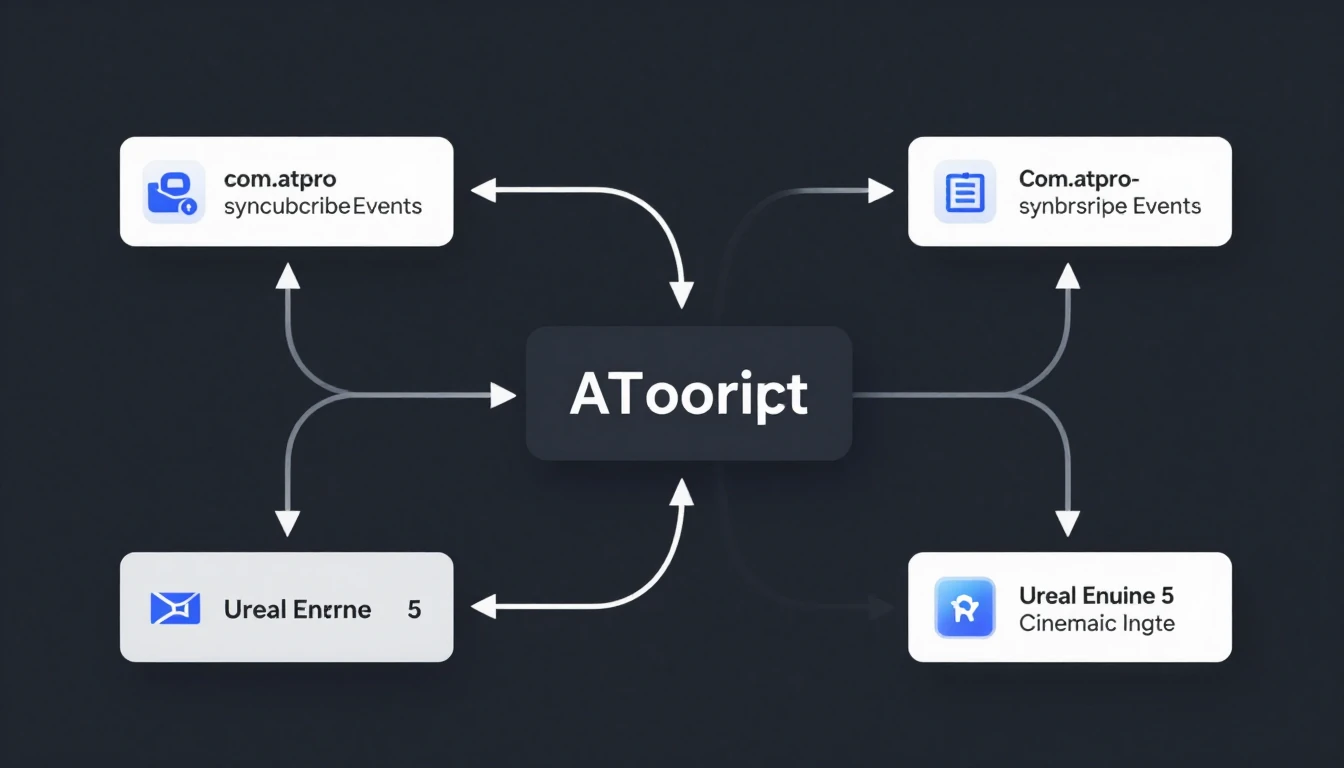
The roadmap strongly implies the development of a new real-time event subscription service within ATProto.
This could be formalized as a new Lexicon, such as:
com.atproto.sync.subscribeEvents
This shift moves ATProto from primarily a state-replication protocol to a more robust, real-time communication framework.
The implications are substantial.
Such an evolution could enable developers to build not just sophisticated social media applications, but also real-time chat platforms, collaborative document editors, or even decentralized games on top of the AT Protocol, all while leveraging its core strengths in decentralized identity and data repositories.
This opens up a far wider range of potential applications for ATProto.
Onboarding & Adaptation: Will New Features Attract More Users?
A common point of friction for new Bluesky users has been the initial onboarding experience, often characterized by a sparse timeline after signup.
The new Discover feed directly addresses this challenge.
By making a high-quality, personalized feed the default experience for new accounts, Bluesky can demonstrate its value proposition almost immediately.
This reduction in initial friction is crucial for converting curious sign-ups into active, engaged users.
For existing users, it's anticipated they will be given clear options to opt-in to the new algorithmic feed or retain their traditional "Following" feed as their primary default.
Enhanced Discovery, Enhanced Responsibility: Moderation Challenges
A powerful discovery algorithm is a double-edged sword.
While it excels at surfacing compelling content, it also carries the potential to amplify misinformation, spam, and harassment at scale.
The roadmap acknowledges this critical challenge, stating that the new discovery systems are being co-developed with Bluesky's dedicated trust and safety team.
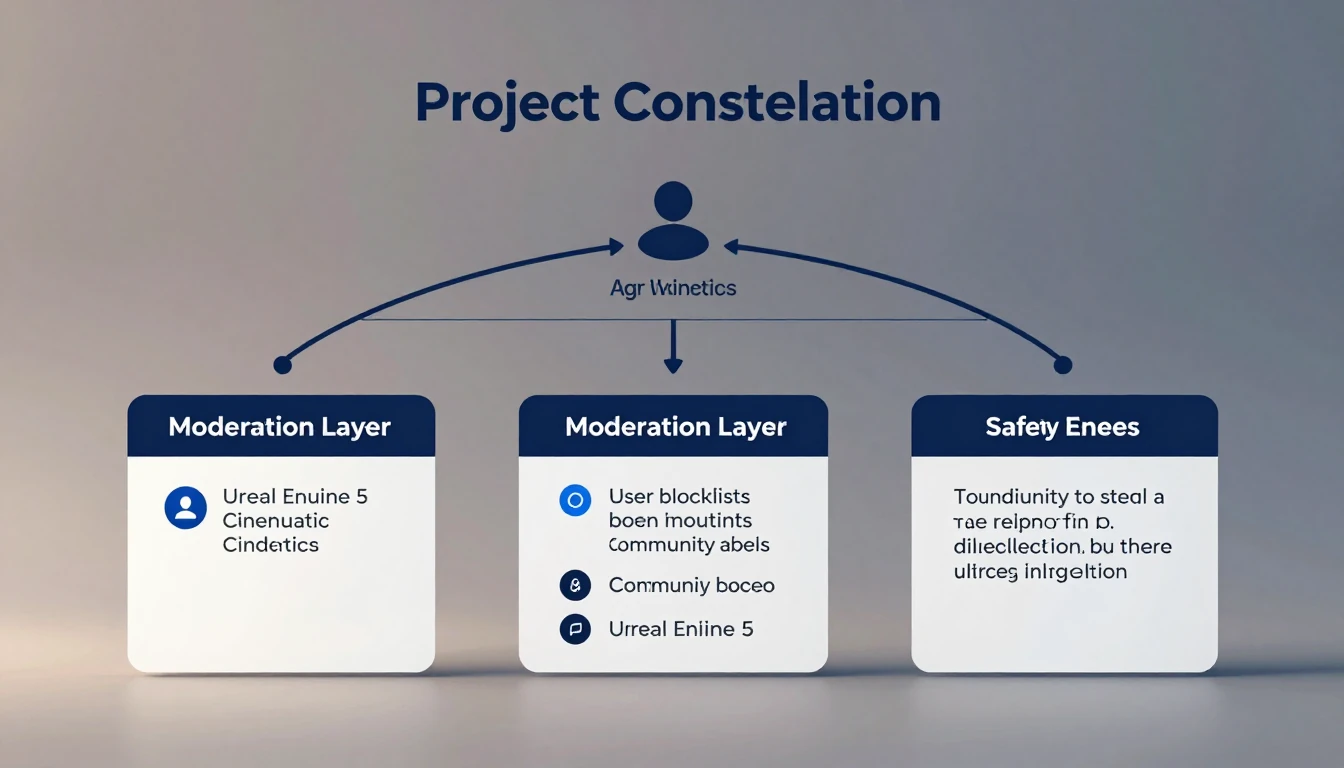
The proposed solution appears to be a thoughtful fusion of algorithmic ranking with Bluesky's unique stackable moderation approach.
Posts recommended by the algorithm will still be subject to user-subscribed blocklists and community labels.
Furthermore, the team is exploring "glass-box" algorithm features, aiming to offer users some insight into why particular content was surfaced.
This commitment to transparency and user control is a vital step in balancing enhanced discovery with platform responsibility.
You can find more details in the official announcement and the AT Protocol specification:
- What`s Next at Bluesky: bsky.social/about/blog/01-26-2026-whats-next-at-bluesky
- AT Protocol Specification: atproto.com/specs/atp


