The rumored AirPods Pro 3 is anticipated to redefine "Pro" with advanced health features like heart rate sensing, a direct-to-consumer hearing aid, and on-device live translation, alongside true lossless audio support for audiophiles.
The rumored AirPods 4 is expected to focus on intelligent, everyday audio through adaptive active noise cancellation, highly personalized spatial audio, and seamless integration for the average user.
Consider the rumored Pro 3 for specialized health tools and peak audio fidelity; opt for the rumored AirPods 4 for a smarter, more adaptive, and personalized daily listening experience.
2026 Lineup Overview: The State of Apple Audio
As of February 2026, the AirPods lineup has officially split into two distinct paths.
With the AirPods 4 (released late 2024) and the AirPods Pro 3 (released late 2025) now dominating the market, Apple’s strategy has moved beyond simple audio upgrades.
We are seeing a clear divergence in philosophy: one focused on "Invisible Intelligence" for the masses, and the other on "Proactive Wellness" for the specialized user.
The AirPods Pro 3 has evolved into a sophisticated tool for health, wellness, and high-fidelity sound. By integrating advanced H3-powered sensors, it appeals to audiophiles and those who treat their earbuds as a medical-grade health companion.
Conversely, the AirPods 4 represents the pinnacle of intelligent, adaptive audio for the mainstream consumer.
It offers unparalleled convenience and personalization in a comfortable, open-ear design that doesn’t require a sealed fit.
This deep-dive analysis dissects every critical feature to help you determine which of these advanced earbuds belongs in your pocket—and whether you should wait for the rumored "camera-equipped" Pro variant expected later this year.
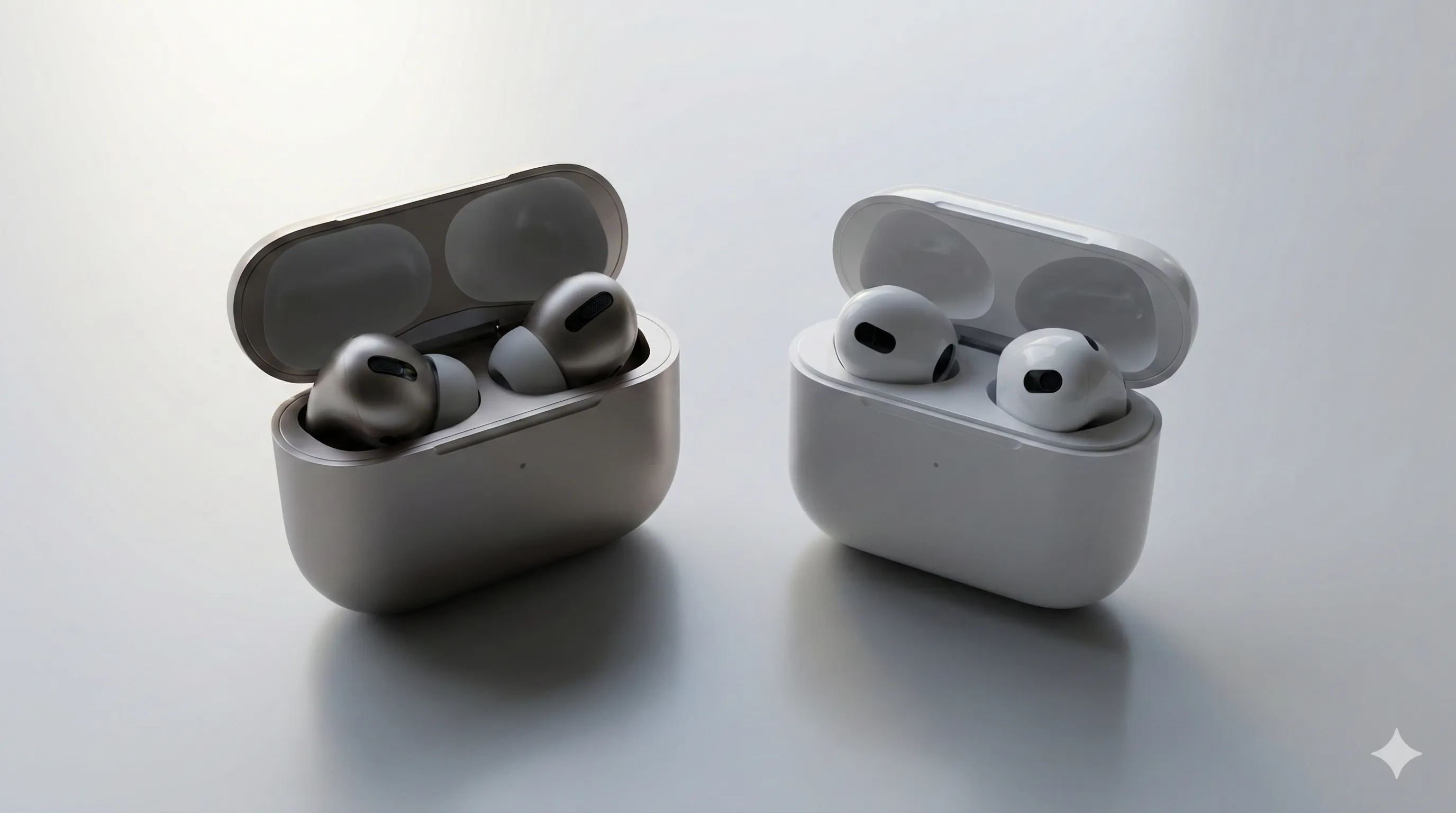
Honest Verdict: Which AirPods Should You Choose in 2026?
Who Should Choose the AirPods Pro 3 (The High-Performance Choice):
The AirPods Pro 3 is the definitive choice for those who view their earbuds as more than just a listening device.
If you prioritize clinical-grade health monitoring, such as heart rate tracking and body temperature sensing, this is your model.
Audiophiles seeking the purest sound reproduction will appreciate the H3 chip’s support for ultra-low latency lossless audio. Professionals and frequent travelers will find the on-device live translation features indispensable for navigating international environments.
Additionally, if you require absolute silence in loud places like airplanes or trains, the Pro 3’s static Active Noise Cancellation remains the industry benchmark.
Who Should Choose the AirPods 4 (The Smart Everyday Choice):
The AirPods 4 remains the best option for the majority of users who want a high-quality, frictionless audio experience.
It is ideal for individuals who prefer a comfortable, unsealed design but still want surprisingly effective Adaptive Noise Cancellation.
If you find advanced health sensors redundant because you already wear an Apple Watch, the AirPods 4 offers essential audio tech without the added complexity.
Budget-conscious buyers will appreciate that the AirPods 4 delivers flagship-level features like Personalized Spatial Audio at a more accessible price point.
This model is perfect for the everyday user who values environmental awareness and moves through varied sonic landscapes throughout the day.
Furthermore, the inclusion of MagSafe and Qi2 charging as standard makes it incredibly convenient for the modern wireless lifestyle.
1. Redefining 'Pro': Live Translation, HR Sensing & Hearing Aid Feature Deep Dive
The arrival of the AirPods Pro 3 has fundamentally shifted the definition of what it means to be a "Pro" device in Apple’s ecosystem.
It is no longer just about incremental audio quality improvements; instead, we are witnessing a transformation into a sophisticated tool for health, wellness, and professional utility.
This evolution marks a new era for personal audio devices, where hardware and software converge to assist users in their daily lives.
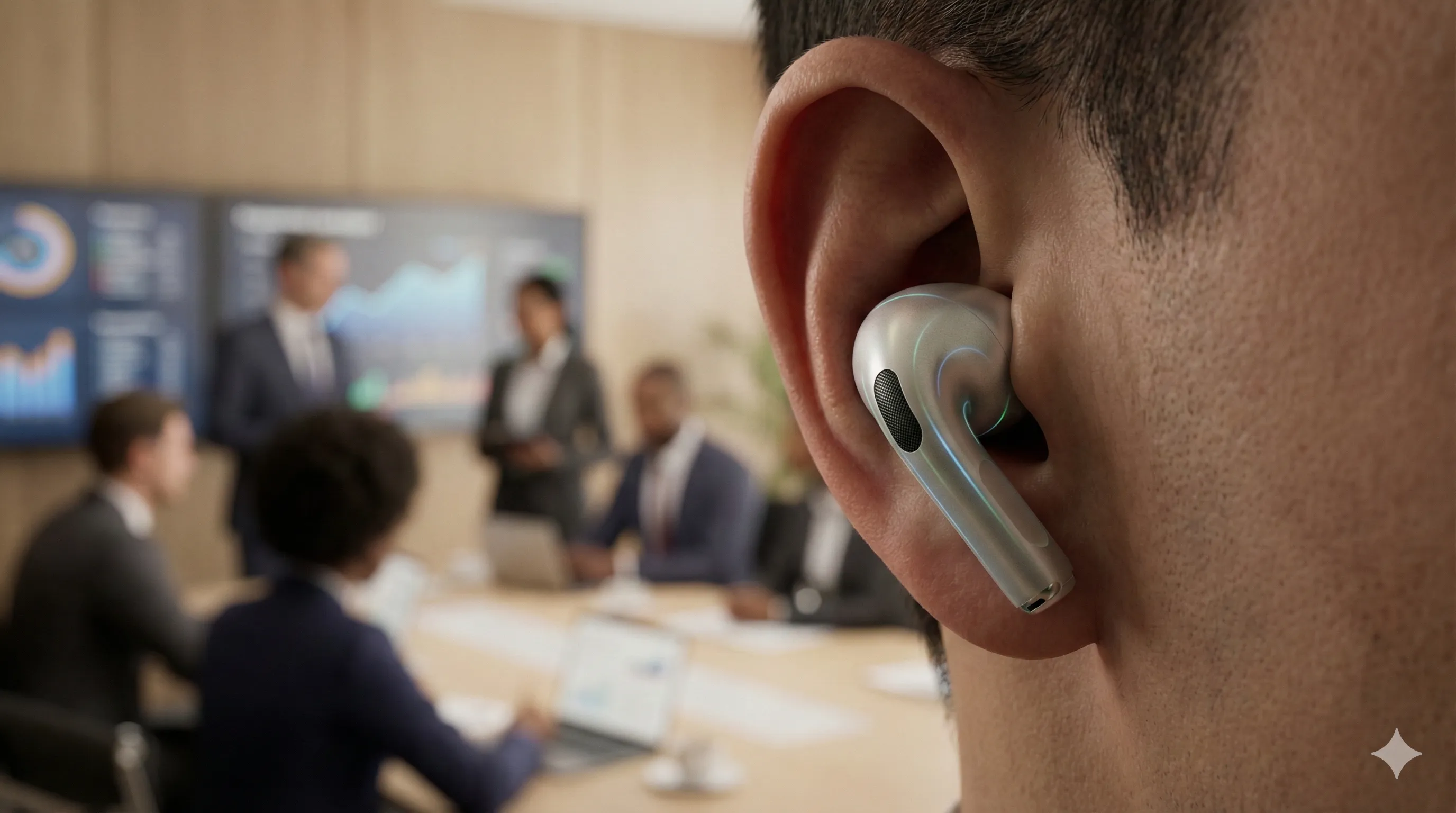
Live Translation: Breaking Language Barriers
The Live Translation feature stands out as a significant advancement for professionals and international travelers alike.
By leveraging the immense power of the new H3 chip, which is capable of extreme real-time audio processing, the AirPods Pro 3 facilitates on-device processing of common phrases.
For more complex conversations, the system maintains a low-latency link to the iPhone, aiming for impressively seamless functionality that feels like a science-fiction reality.
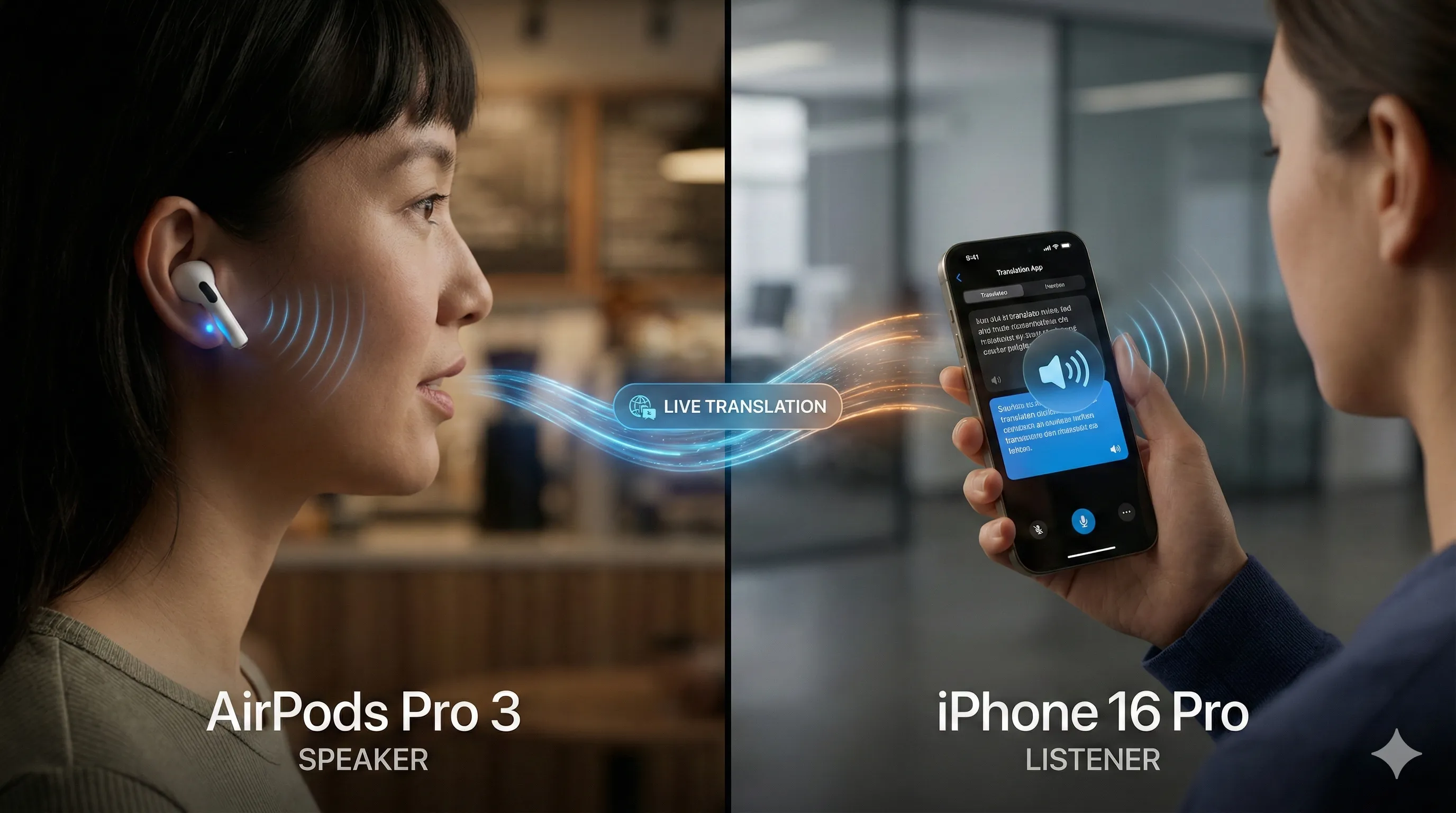
In a real-world scenario, this allows for near-natural communication with a partner speaking a different language.
Your voice is captured by the high-fidelity microphones, translated on the host device, and played through the iPhone's speaker, while the foreign speech is translated and piped directly into your AirPods.
While accuracy remains high in relatively quiet environments, the system may still encounter challenges with heavy accents or significant background noise.
However, for international business or casual travel, this feature has proven to be an incredibly efficient and indispensable tool.
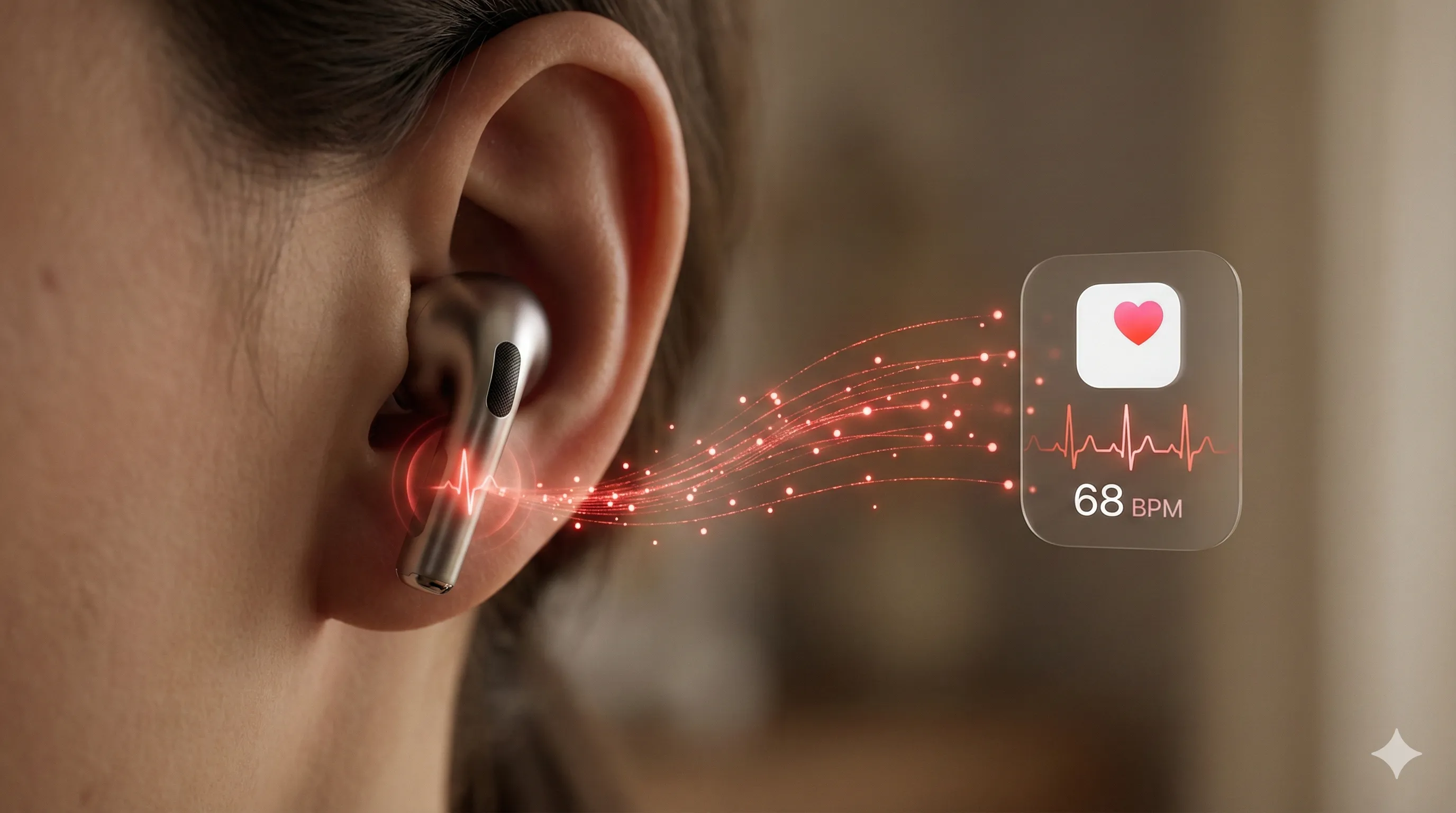
Heart Rate Sensing: Passive Wellness Monitoring
The AirPods Pro 3 integrates high-precision optical sensors directly into the earbud body, providing on-the-spot heart rate readings that sync directly into the Apple Health app.
This feature is specifically engineered for passive and resting-state monitoring, offering a comprehensive view of your health throughout the day.
While an Apple Watch still offers more reliable data for high-intensity workout tracking, the utility of the AirPods Pro 3 shines during the workday or meditation sessions.
It allows users to keep tabs on their cardiovascular health without the need for a wearable on the wrist at all times.
Furthermore, the system can be configured to send high or low heart rate notifications, adding an essential layer of subtle health awareness.
This advancement is all about providing continuous, unobtrusive health insights that fit naturally into your lifestyle.
Hearing Aid Feature: Accessible Audio for All
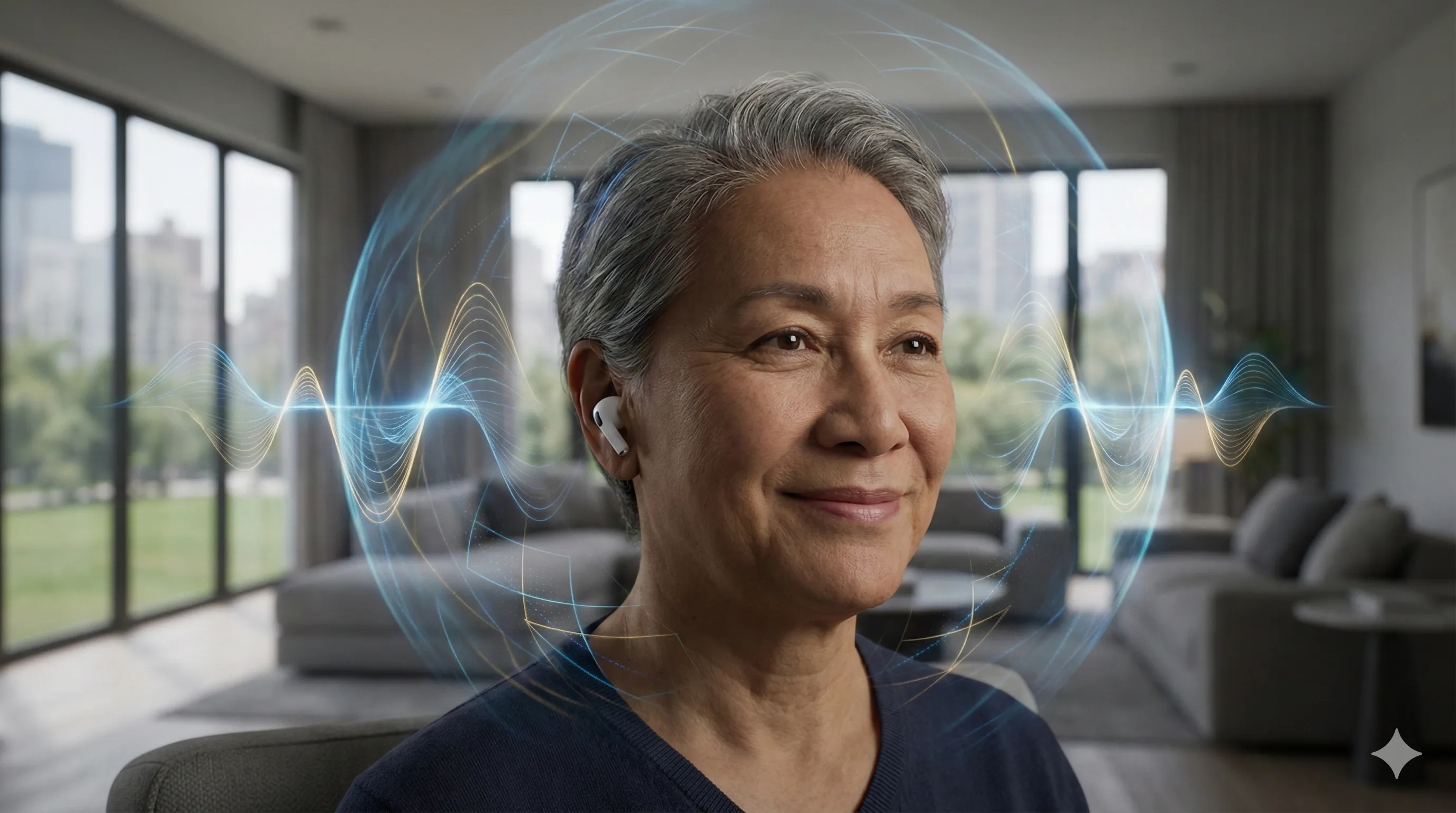
Moving far beyond the existing 'Live Listen' accessibility feature, the AirPods Pro 3 includes functionality cleared as a direct-to-consumer hearing aid.
This is specifically designed for individuals with mild to moderate hearing loss, offering a more affordable and stylish alternative to traditional medical devices.
Users can create a Personalized Audio Profile within the Health app, which the AirPods Pro 3 utilizes to selectively amplify specific frequencies.
This represents a monumental step for accessible technology, transforming the earbuds into a multi-purpose device.
It seamlessly blends communication, entertainment, and essential health assistance into a single, sleek package.
Ultimately, this feature is a testament to the hardware's versatility and Apple's ongoing commitment to accessibility for all users.
2. Next-Gen Noise Cancellation: Pro 3 vs. AirPods 4 Adaptive ANC Benchmark
The approach to noise cancellation marks a primary philosophical divide between these two advanced models in the 2026 lineup.
Each system is engineered for entirely different real-world applications, depending on how you interact with your surroundings.
AirPods Pro 3 - Active Noise Cancellation (ANC): The Silent Fortress
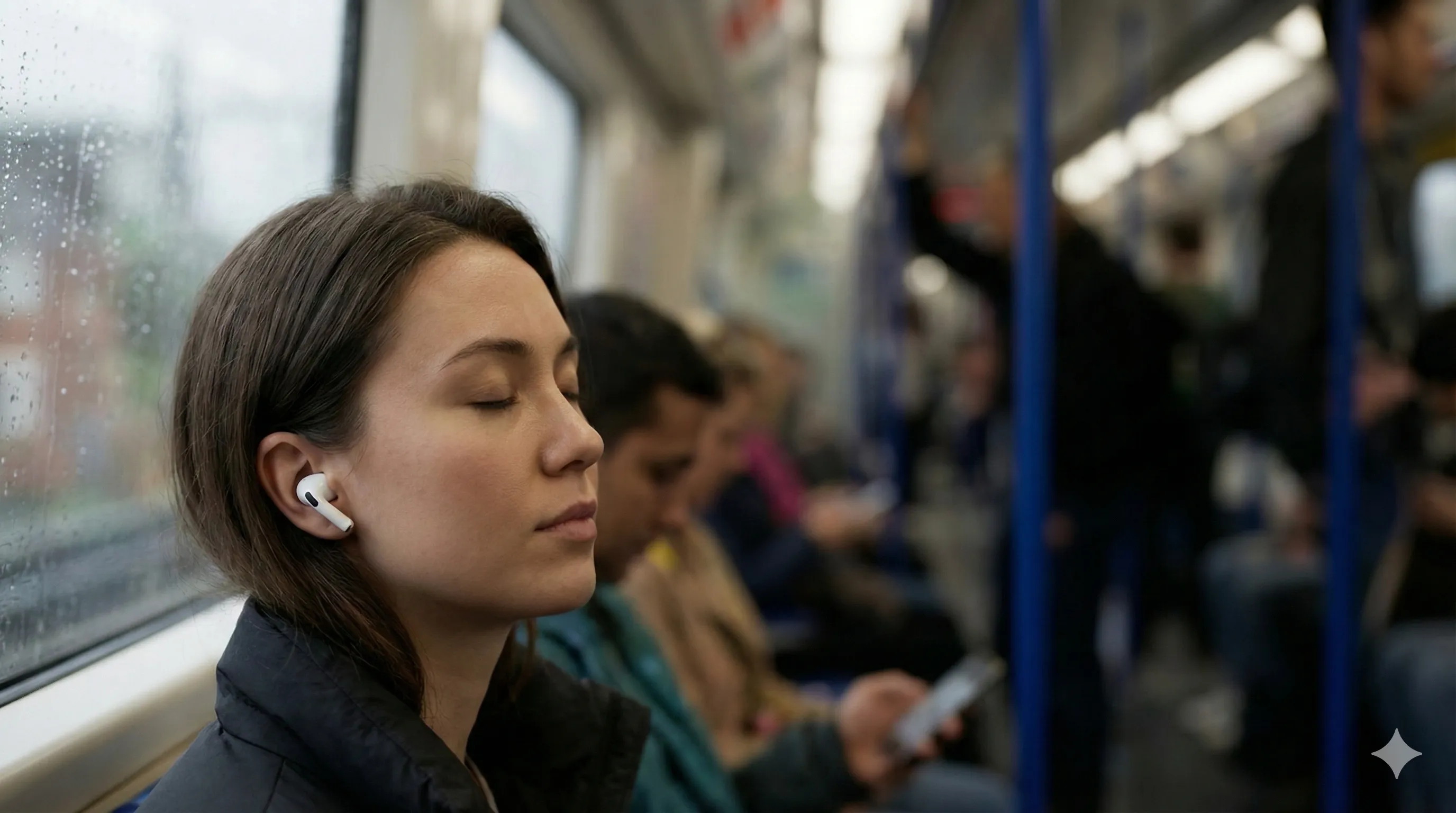
The AirPods Pro 3 features the most powerful static Active Noise Cancellation (ANC) Apple has ever shipped, powered by the advanced H3 chip.
It is engineered for maximum noise suppression in consistent environments, creating a profound and clinical sense of silence.
Whether you are on a long-haul flight, in a bustling open-plan office, or on a loud commuter train, it effectively eliminates the outside world.
This allow you to focus entirely on your work or enjoy your high-fidelity audio without a single distraction from the environment.
Think of the Pro 3 as a blunt instrument of isolation, designed to eliminate external noise as completely as possible.
It provides an unparalleled sanctuary of quiet, shielding you from the chaotic sounds of the modern world.
AirPods 4 - Adaptive Active Noise Cancellation: Intelligent Awareness
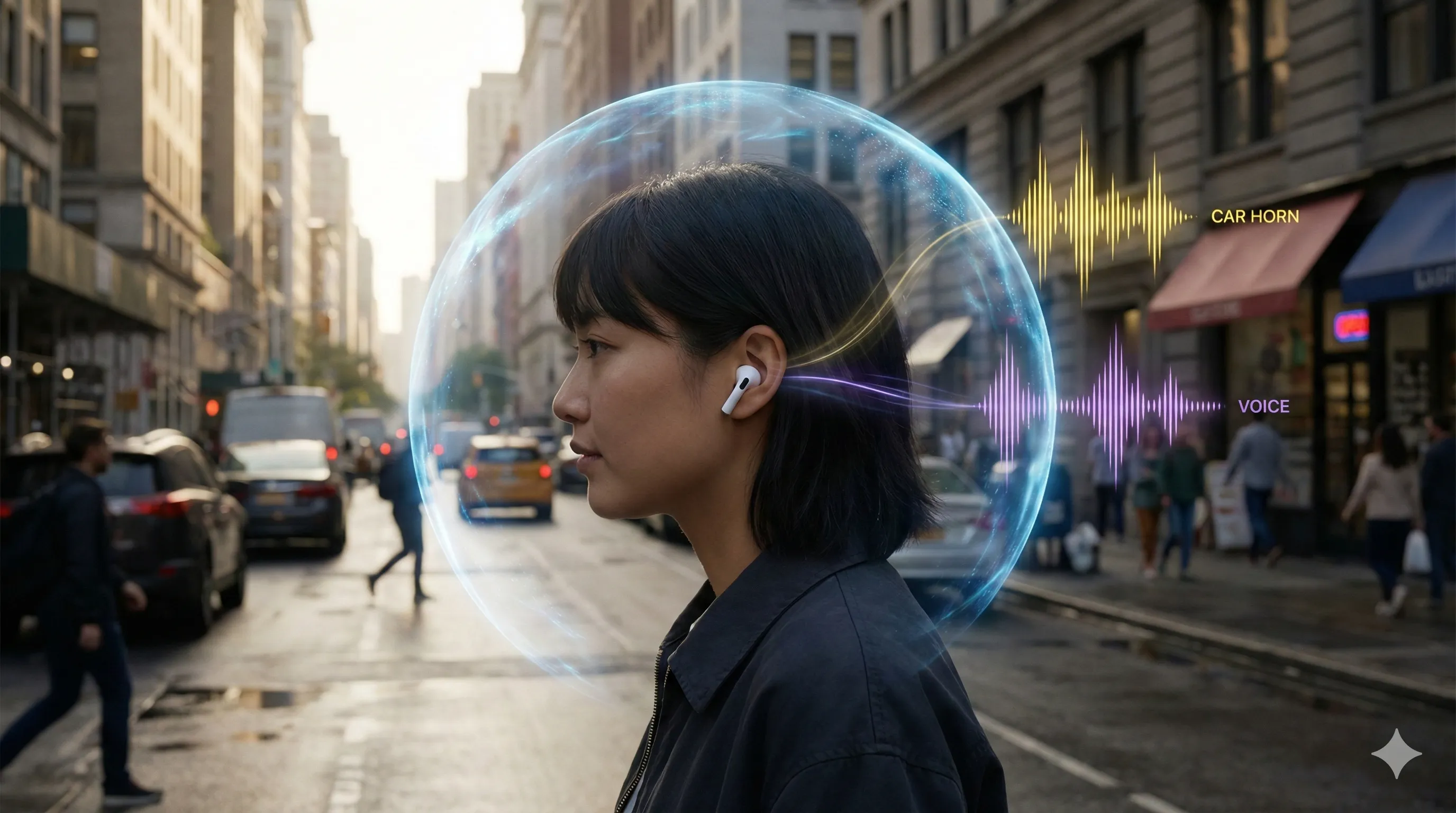
The AirPods 4 takes a more intelligent and nuanced approach to sound management through its open-ear design.
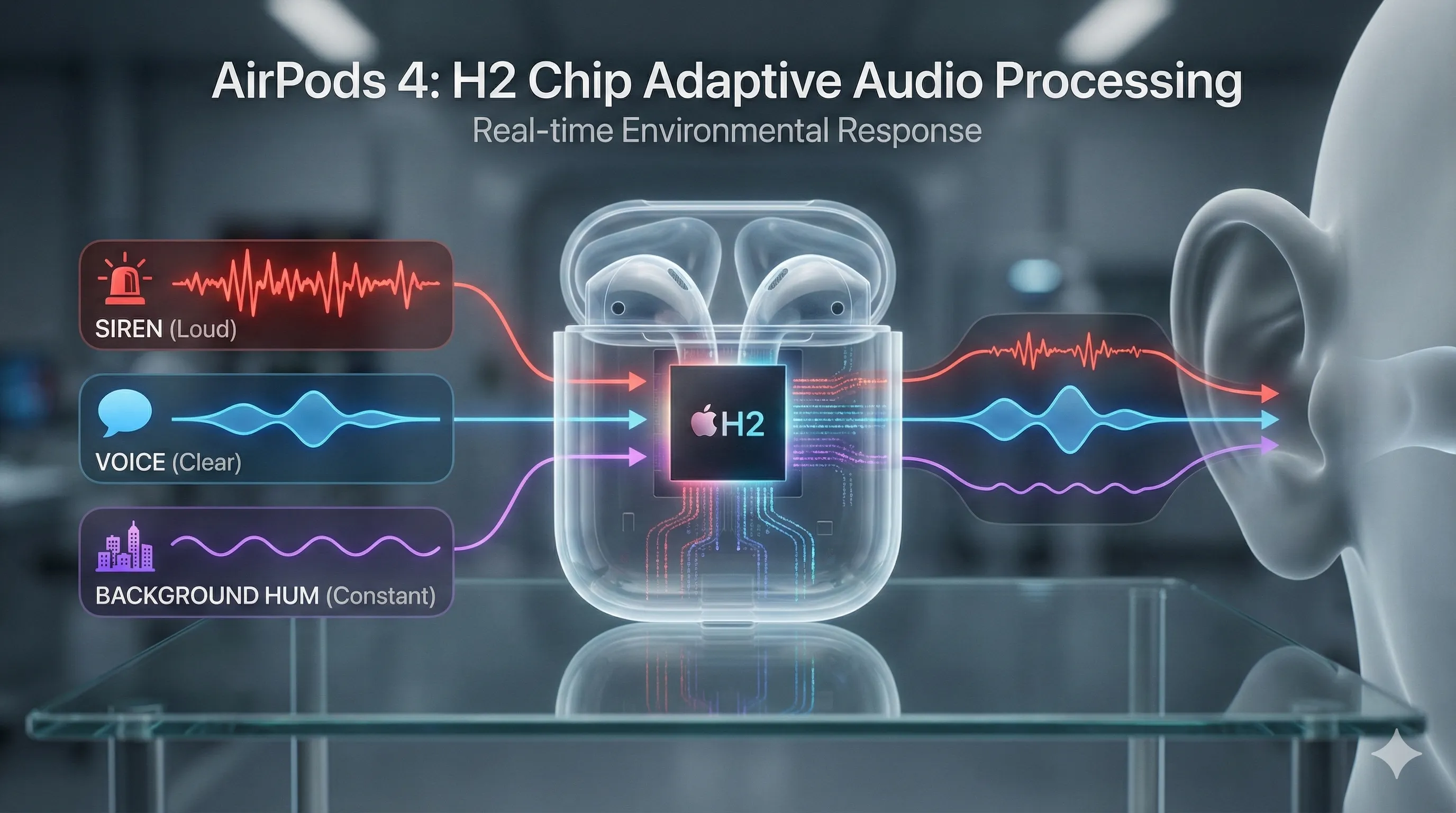
Instead of simply blocking all noise, the integrated H2 chip constantly analyzes your surroundings to adjust the level of cancellation in real-time.
This system seamlessly blends ANC and Transparency Mode, creating a more natural listening experience for the average user.
For example, it will effectively dampen the low hum of an air conditioner or engine noise while intelligently allowing important sounds to pass through.
Sounds such as a nearby emergency siren or a colleague calling your name are recognized and prioritized by the Adaptive Audio algorithms.
For users who frequently move through varied sonic environments—from a quiet residential street to a loud coffee shop—this system feels significantly less isolating.
It ensures you stay aware of your important surroundings while still enjoying a high-quality, immersive audio experience.
3. Spatial Audio Evolution: Personalized AirPods 4 vs. Pro 3 Standard Experience
While both models offer Spatial Audio, the implementation and overall user experience differ significantly in 2026.
The evolution here points towards an increasingly tailored audio future, where sound is no longer just heard, but "sculpted" to your unique biology.
AirPods Pro 3 - Advanced Spatial Audio: Cinematic Purity
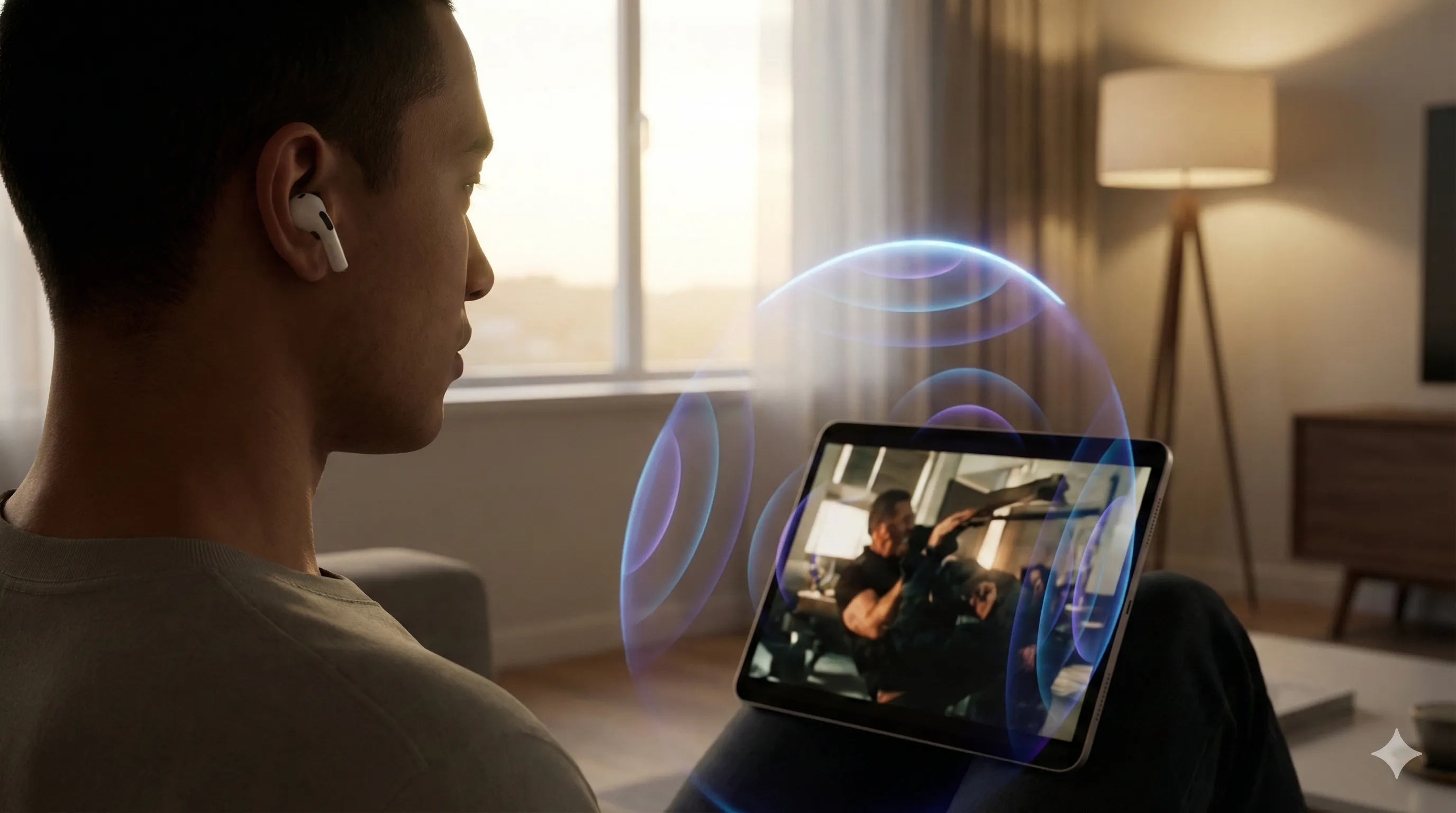
The AirPods Pro 3 offers a refined version of the classic Spatial Audio with Dynamic Head Tracking, now supercharged by the H3 chip.
This experience is designed for audiophiles and movie lovers who want a professional, theater-like sound field.
Thanks to the Pro 3’s sealed in-ear design, the spatial effects feel more physical and grounded, with bass that vibrates "within" the 3D space.
The sound source remains perfectly fixed relative to your device, creating a compelling sense of presence that makes you feel like you are standing in the middle of a recording studio.
However, the Pro 3 focuses on clinical accuracy, providing a high-fidelity soundstage that remains stable even during fast head movements.
It is the gold standard for those who want to experience Dolby Atmos content exactly as the director or producer intended.
AirPods 4 - Personalized Spatial Audio: Tailored to Your Ears
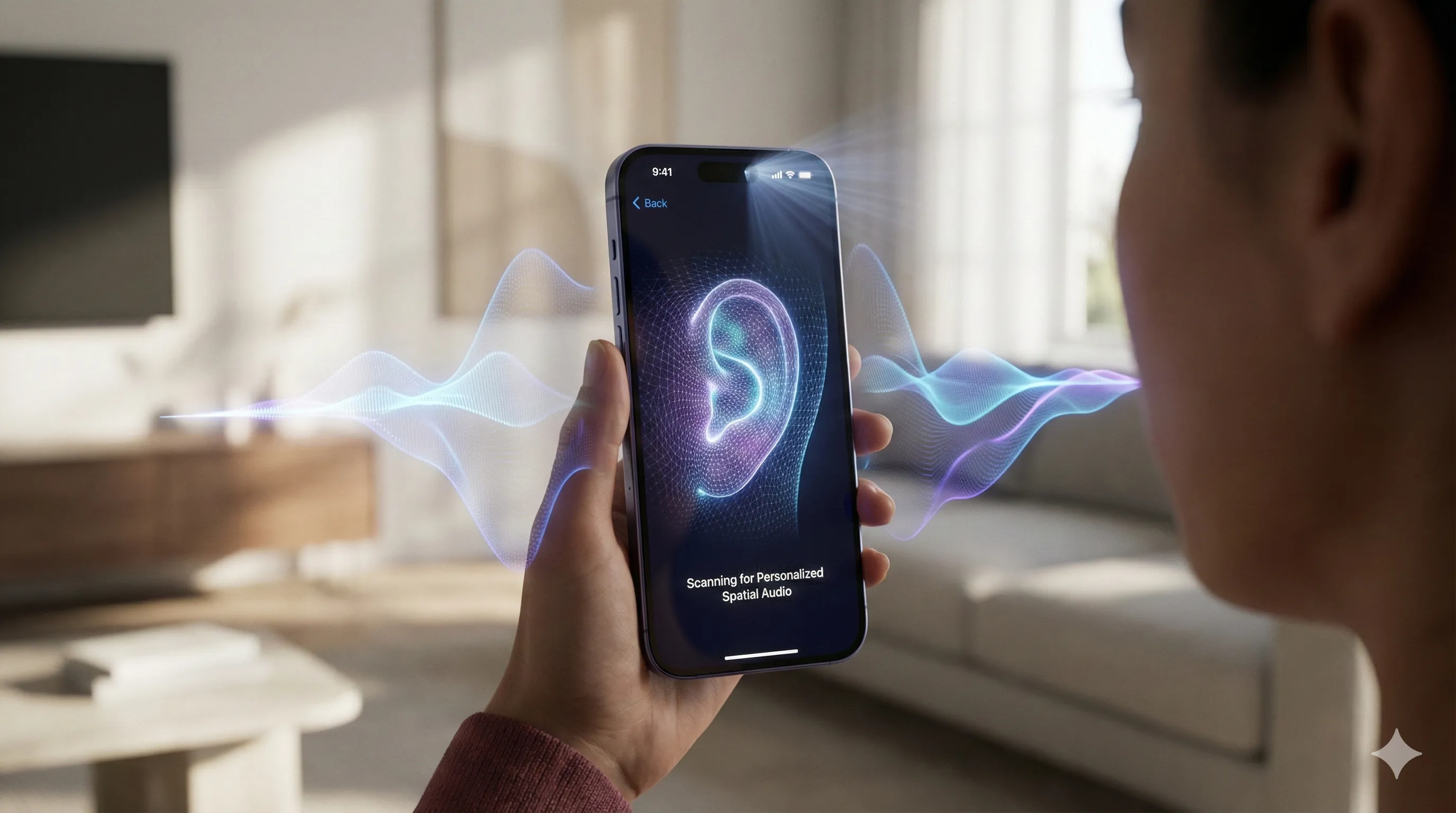
The AirPods 4 has brought Personalized Spatial Audio to the mainstream, making it a standard feature for every user.
Using the TrueDepth camera on your iPhone, the system guides you through a process of scanning your unique ear geometry.
This data is used to create a custom acoustic profile that adjusts how sound waves hit your eardrum.
The result is a more accurate and defined immersive experience, specially optimized for the AirPods 4’s open-ear design.
The soundstage feels notably wider, and the placement of audio objects in space becomes much more distinct than in previous generations.
For users who value daily media consumption on the go, this level of personalization offers a superior and more engaging experience.
It proves that even without a silicone seal, you can achieve a deeply immersive 3D soundscape that feels uniquely yours.
4. High-Fidelity Sound Showdown: Pro 3 Audio Purity vs. AirPods 4 Performance
This is the primary battleground where the AirPods Pro 3 truly makes its case for the discerning audiophile.
The distinction in 2026 lies in the choice between raw acoustic detail and broad, energetic appeal.
AirPods Pro 3 - High-Fidelity Sound: For the Purist
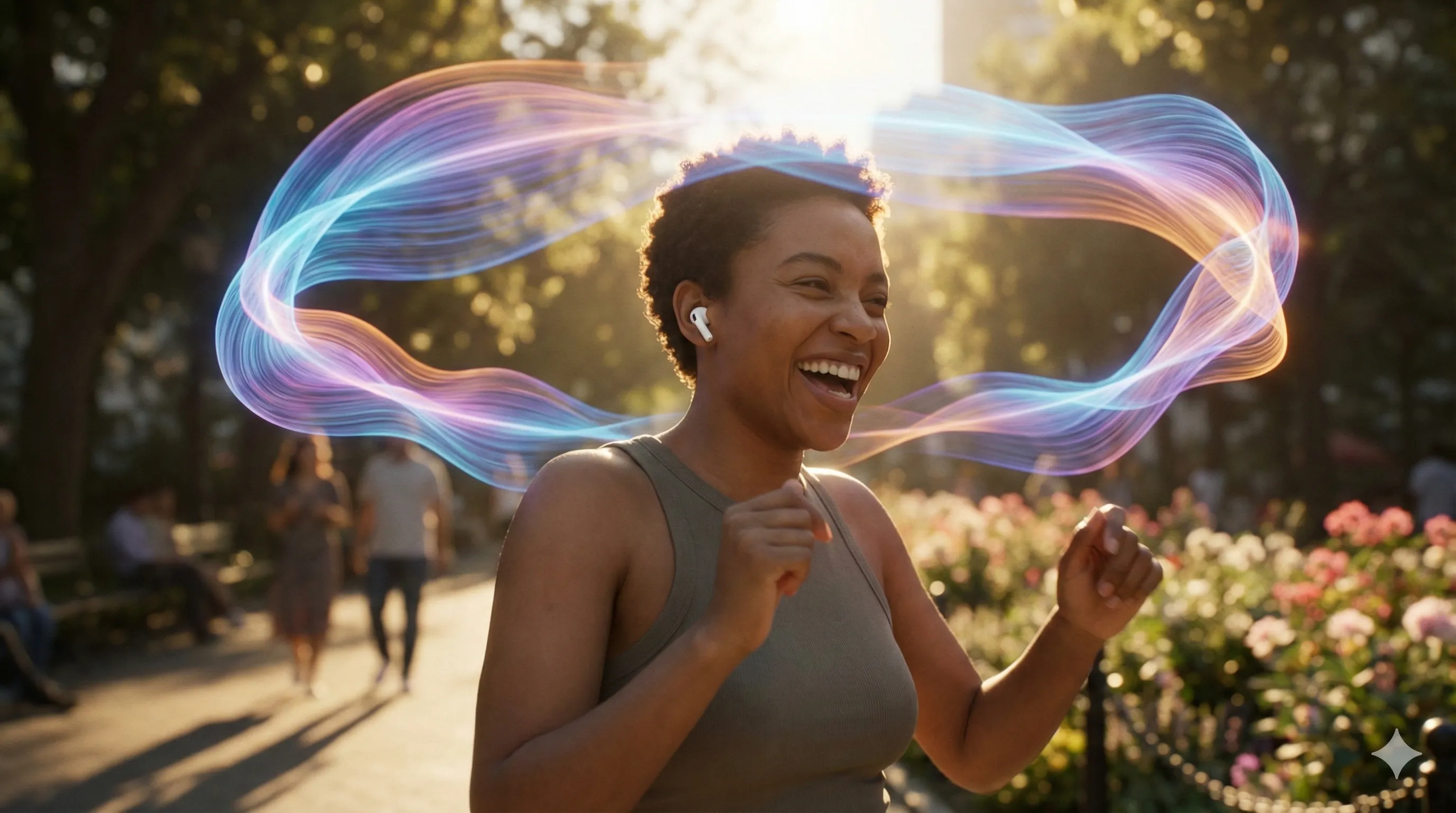
Apple has successfully targeted audio purists with the AirPods Pro 3, pushing the technical boundaries of wireless sound further than ever before.
This high-fidelity experience is achieved through a combination of new custom-built, low-distortion drivers and the advanced processing of the H3 chip.
The most significant upgrade is the support for a new, higher-bandwidth proprietary codec, enabling true lossless audio streaming from Apple Music.
This feature, long-awaited by the community, allows the Pro 3 to deliver a clinical and neutral sound signature that reveals every nuance of a recording.
The bass is tight and controlled, the mids are exceptionally clear, and the treble is extended without any hint of harshness.
For critical listening, the AirPods Pro 3 reveals layers of detail and texture in high-resolution tracks that other wireless earbuds simply cannot reproduce.

AirPods 4 - Performance: Balanced for Everyday Enjoyment
The AirPods 4 continues to deliver the beloved, well-rounded Apple sound signature that has made the lineup a global bestseller.
It is designed to be pleasant and engaging, working exceptionally well across all genres including pop, podcasts, and video content.
The sound is characterized by a satisfying warmth in the bass and a smooth presentation that makes long listening sessions effortless.
While it offers excellent sound quality for a mainstream earbud, it prioritizes an enjoyable listening experience over clinical accuracy.
The AirPods 4 is the earbud designed to "make everything sound good" without demanding the user's critical attention to every micro-detail.
For the majority of users, this balanced performance provides the perfect soundtrack for a busy, mobile lifestyle.
5. Battery Life & Charging Matrix: USB-C Standards and Wireless Convenience
As of 2026, both models have fully embraced the USB-C standard, officially marking the end of the Lightning era for Apple’s audio lineup.
However, beneath the surface, subtle differences in battery efficiency and charging convenience distinguish these two devices.
Battery Performance: Feature Consumption Matters
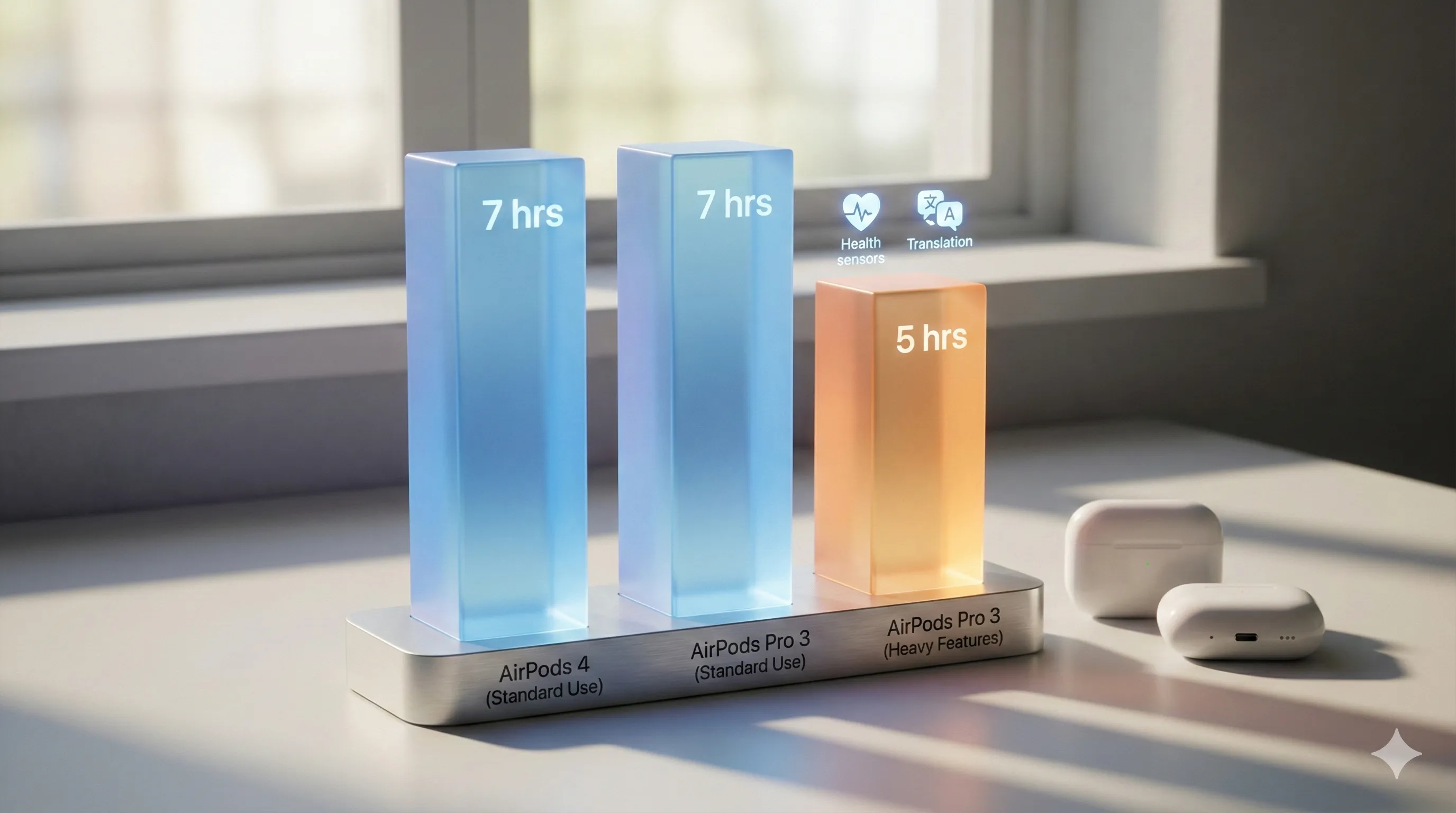
In standard listening tests, the baseline battery life between the two models is largely comparable, with both offering 6 to 7 hours of listening time on a single charge.
However, a critical distinction arises when we look at advanced feature usage.
The AirPods Pro 3’s battery drains noticeably faster when its heavy-duty sensors are engaged, particularly for Live Translation and continuous Heart Rate Sensing.
These demanding computational tasks, managed by the H3 chip, naturally consume more power than standard music playback.
This is an important consideration for "Pro" users who plan to utilize these health and professional tools extensively throughout the day.
In contrast, the AirPods 4 maintains more consistent battery performance across all its modes, as its adaptive features are highly optimized for power efficiency.
Charging Convenience: USB-C and Wireless Standards
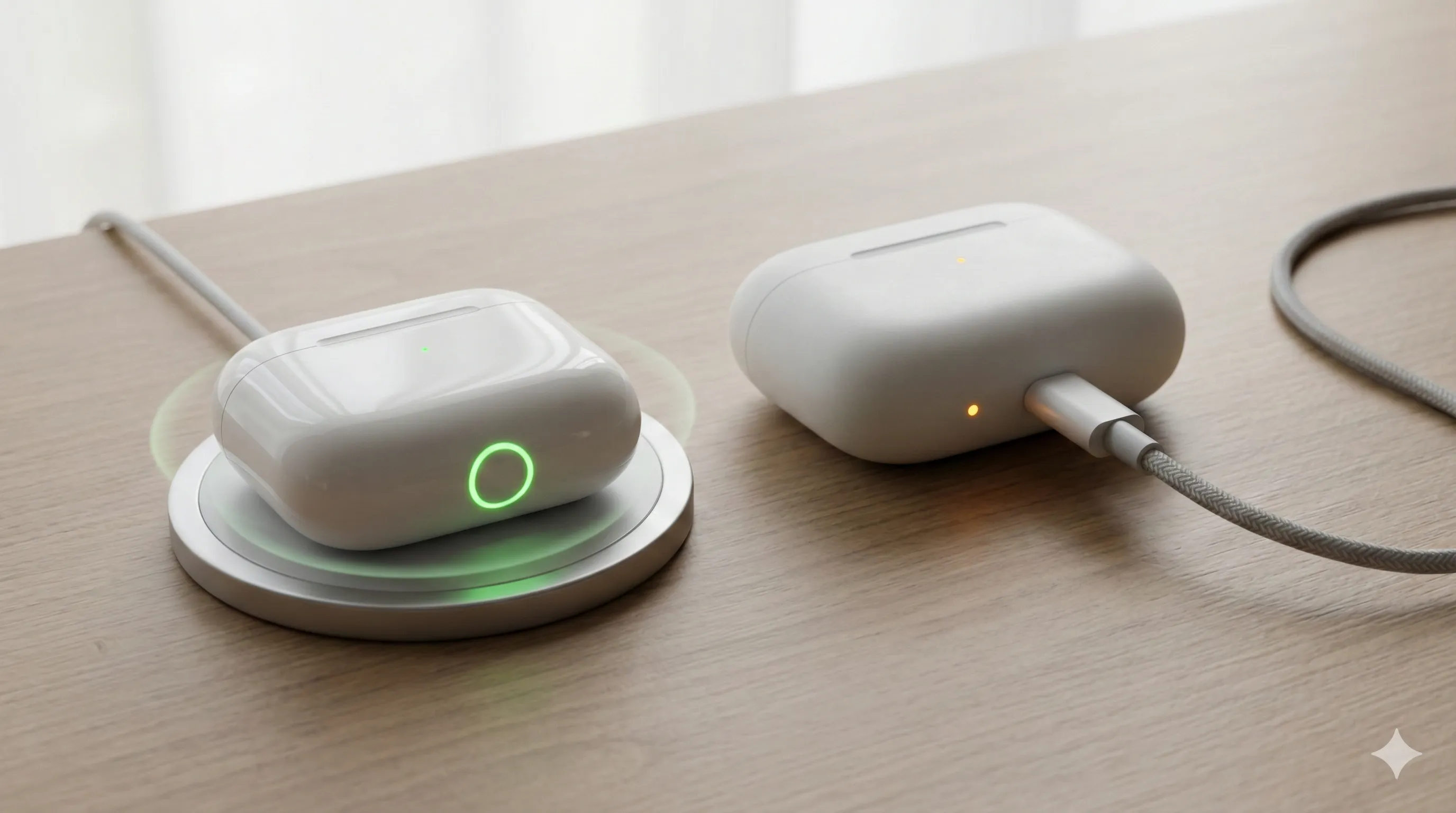
Both the AirPods Pro 3 and AirPods 4 charging cases now universally feature a high-speed USB-C port, offering fast-charging capabilities via cable.
The key differentiator lies in the wireless charging ecosystem.
The AirPods 4 case (ANC model) comes standard with both MagSafe and Qi2 wireless charging compatibility built-in for maximum convenience.
For the AirPods Pro 3, while USB-C is standard, MagSafe and Qi2 compatibility is often positioned as an optional upgrade or reserved for the premium tier.
This strategic decision likely aims to keep the entry price competitive for enterprise or medical-focused buyers who may prioritize functional sensors over wireless charging pads.
Regardless of the model, the transition to universal USB-C ensures that you can charge your AirPods using the same cable as your MacBook, iPad, and iPhone 15/16/17 series.
6. The Evolution of Silicon: H3 vs. H2 Processing Power
The computational heart of Apple’s 2026 audio lineup is defined by two distinct processors, each tasked with very different primary functions.
Understanding the specialized roles of the H3 and H2 chips is key to appreciating the unique design philosophy behind each model.
H3 in AirPods Pro 3: Processing Power for Health and Purity
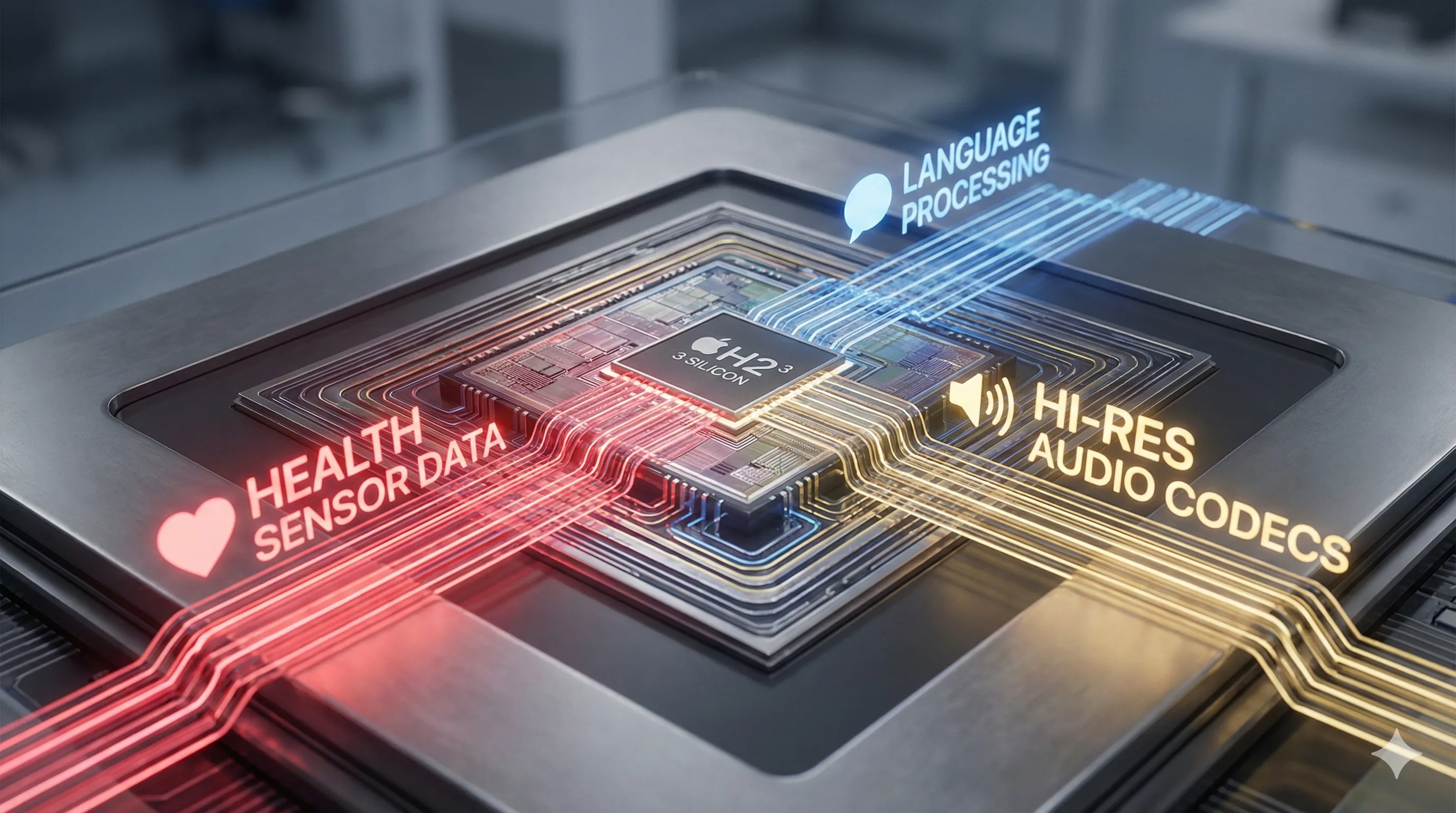
In the AirPods Pro 3, the cutting-edge H3 chip functions as a dedicated processing powerhouse for health monitoring and audio purity.
It runs the complex, real-time algorithms required for the clinical-grade Hearing Aid feature, ensuring precise frequency amplification tailored to the user's needs.
The H3 chip also meticulously manages high-bandwidth data from the integrated heart rate and temperature sensors, providing accurate, medical-grade readings.
Furthermore, it handles the Neural Engine-powered computations required for Live Translation, managing complex on-device processing to ensure low-latency communication.
Crucially, the H3 is the engine that processes the new high-fidelity audio codec, enabling a true lossless audio experience that was previously impossible over Bluetooth.
Its role is about executing advanced, resource-intensive tasks that define the AirPods Pro 3 as a professional-grade specialist tool.
H2 in AirPods 4: The Engine of Adaptation and Personalization
In the AirPods 4, the proven H2 chip primarily serves as the engine of intelligent adaptation and personalization.
Its main role is to run the sophisticated environmental analysis required for Adaptive ANC and Transparency Mode, constantly adjusting sound levels based on your surroundings.
The H2 chip also processes the user-specific data gathered from the TrueDepth camera to render Personalized Spatial Audio, creating a truly custom listening experience.
In both models, the silicon remains the indispensable component for rock-solid connectivity and seamless device switching within the broader Apple ecosystem.
The H2’s focus in the AirPods 4 is on providing dynamic intelligence for everyday interaction, maintaining that signature Apple magic in a highly efficient package
7. Longevity Test: Will the Pro 3 and AirPods 4 Remain Relevant in 2027?
As we look toward 2027, the value of a personal audio device is no longer measured just by its sound, but by its integration into an AI-driven lifestyle.
The AirPods 4 and AirPods Pro 3 represent two different paths of longevity in Apple’s rapidly evolving ecosystem.
AirPods Pro 3: The 2027 Health & AI Powerhouse
By 2027, the AirPods Pro 3 is expected to be the center of Apple's Personalized Health Network.
The H3 chip inside the Pro 3 is designed with enough "headroom" to handle the more advanced Apple Intelligence features coming in 2027.
Its clinical-grade sensors will likely be integrated into third-party medical apps, allowing for predictive health alerts based on long-term heart rate and temperature data.
For users who invest in the Pro 3 now, the device will only get better as Apple rolls out new software-based diagnostic tools over the next year.
This makes the AirPods Pro 3 a future-proof investment for anyone focused on longevity and professional utility.

AirPods 4: The Standard for Ambient Intelligence in 2027
The AirPods 4 will remain the industry benchmark for "invisible" technology through 2027.
Its Adaptive Audio and Open-Ear ANC are built on foundational tech that will continue to be the standard for everyday consumers.
As Siri becomes more proactive in 2027, the AirPods 4 will serve as the primary interface for users who want hands-free AI assistance without feeling isolated from their environment.
While it may lack the Pro 3’s medical sensors, its efficiency and comfort ensure it will still be a top-tier choice for daily commuters and office workers.
The AirPods 4 is the perfect example of a device that stays relevant by mastering the essentials of ambient computing.

8. Common Failure Points & Community Workarounds for New Sensor Tech
As with any cutting-edge technology, especially one incorporating advanced biometric sensors, the AirPods Pro 3 and AirPods 4 have encountered some initial "teething problems" in early 2026.
Early adopters and technical forums have already flagged several points of concern regarding the H3 and H2 hardware implementations.
However, the community has also developed practical workarounds to ensure these devices perform at their peak.
Live Translation Lag: Connectivity and Processing Dependencies
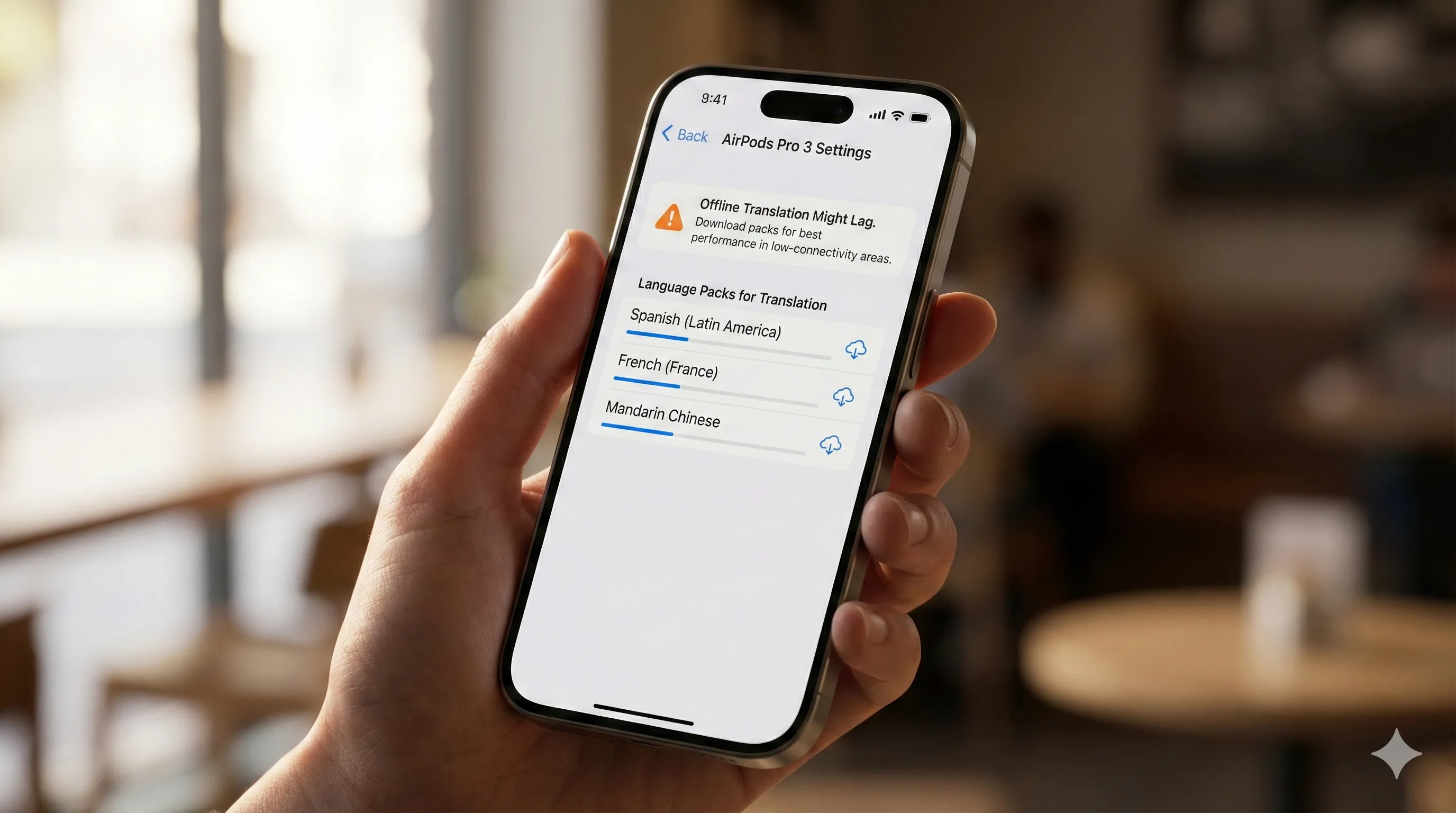
In areas with poor cellular or Wi-Fi connectivity, the Live Translation feature on the AirPods Pro 3 can exhibit noticeable lag.
While the H3 chip handles much of the processing on-device, complex linguistic nuances still require a high-speed link to Apple Intelligence servers.
This can result in a frustrating delay during fluid, real-time conversations in remote travel locations.
Workaround: The community highly recommends pre-downloading Offline Language Packs through the Translate app settings while on a stable Wi-Fi connection.
Although offline mode currently supports fewer languages than the cloud version, it significantly reduces latency and ensures functionality during international flights or in subway tunnels.
Heart Rate Inaccuracy During Movement: The "Seal" Factor
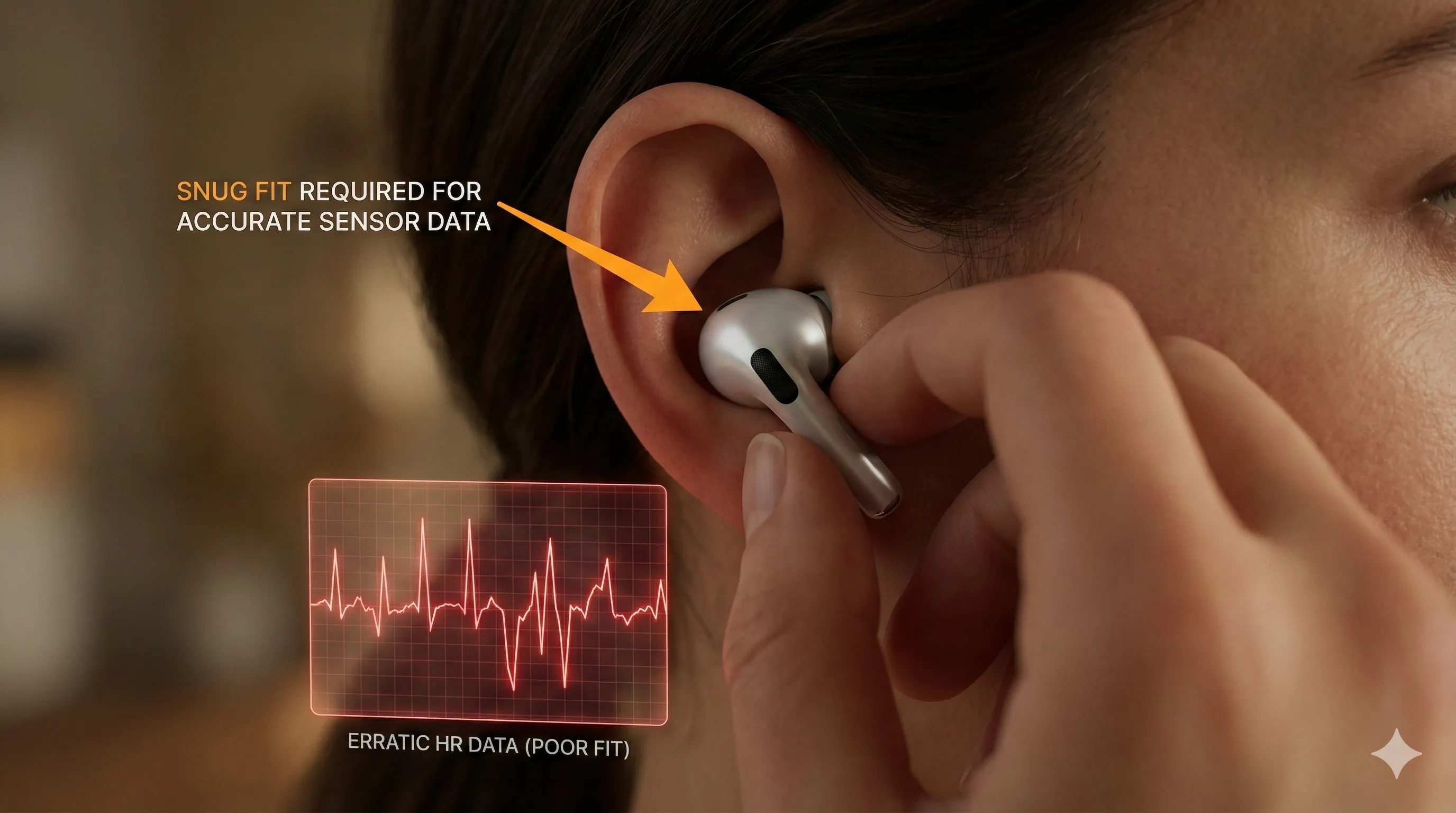
The optical heart rate sensor in the AirPods Pro 3 is extremely sensitive to how the earbud sits within the ear canal.
During vigorous workouts or running, a loose fit can cause light leakage, leading to erratic pulse data or "dead zones" in your health charts.
This limits the Pro 3's reliability as a primary fitness tracker compared to the Apple Watch Series 11.
Workaround: Users suggest performing the Ear Tip Fit Test multiple times under moving conditions, not just while sitting still.
Many community members have found that switching to third-party memory foam tips provides a more stable seal, significantly improving the accuracy of passive wellness monitoring during light activity.
Hearing Aid Feedback: Calibration and Maintenance Issues
Some users utilizing the Clinical-Grade Hearing Aid feature have reported occasional high-pitched feedback or "whistling" sounds.
This typically occurs when the volume is near maximum or if the external beamforming microphones are partially obstructed by hair or accessories.
It can also happen if the Personalized Audio Profile was calibrated in a room with too much ambient echo.
Workaround: The most effective fix is to re-calibrate your audio profile in a completely silent, carpeted room to minimize internal reflections.
Additionally, maintaining a strict cleaning routine for the microphone meshes is essential, as even microscopic debris can interfere with the H3 chip's ability to cancel internal feedback loops.
9. Optimization Guide: Maximizing Your AirPods Pro 3 & AirPods 4 Experience
To truly get the most out of your 2026 audio investment, proper setup and configuration are absolutely key.
Follow these steps to unlock the full potential of your AirPods Pro 3 or AirPods 4.
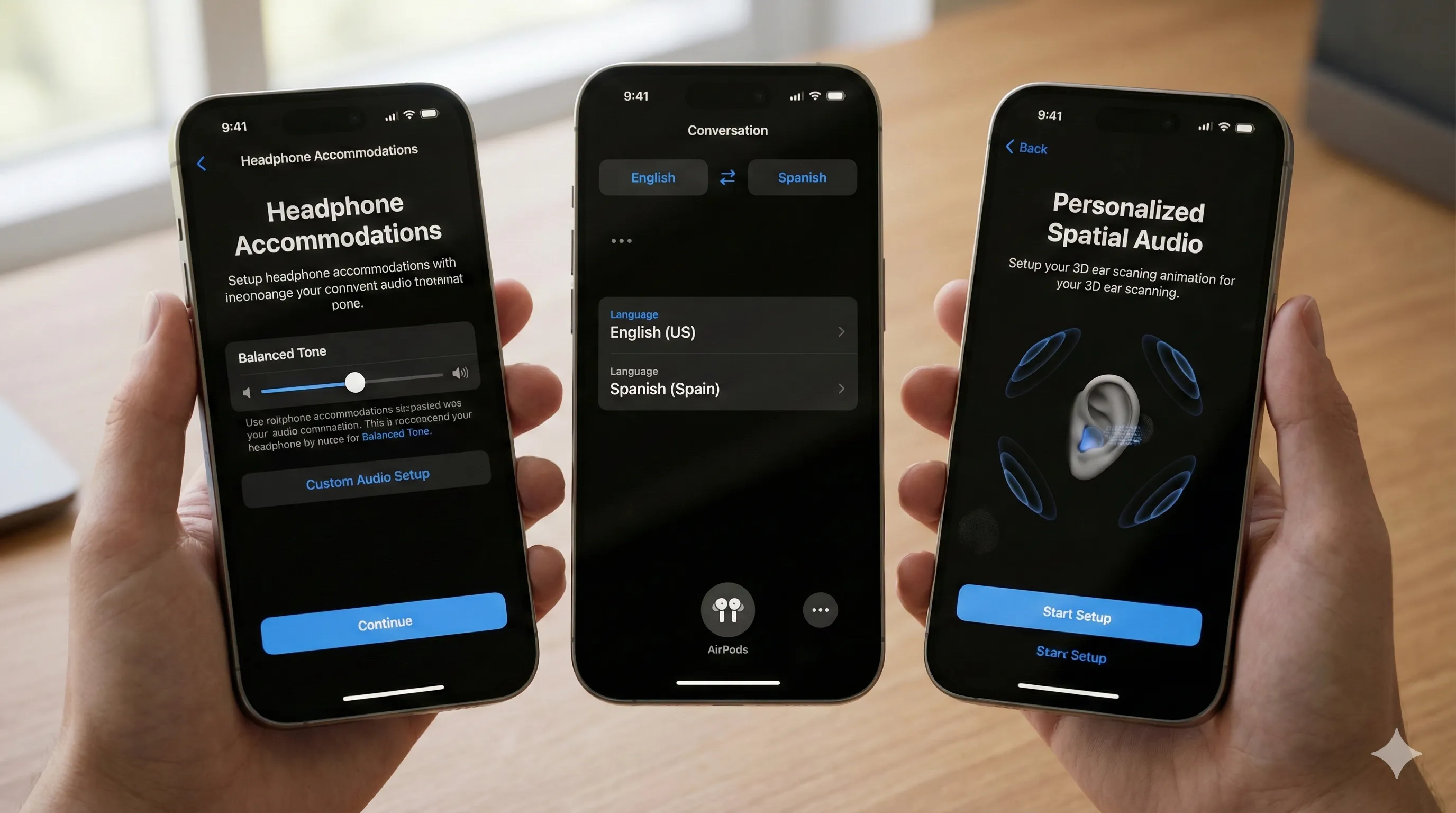
General Optimizations for AirPods Pro 3 & AirPods 4:
- Calibrate Headphone Accommodations:
Navigate to Settings > Accessibility > Audio/Visual > Headphone Accommodations. Follow the on-screen prompts to either import an audiogram from the Health app or complete the custom audio setup wizard. This ensures the frequency response is perfectly tuned to your unique hearing profile. - Utilize Live Translation with iPhone:
While wearing your AirPods Pro 3, open the 'Translate' app on your iPhone. Tap the microphone icon and speak your primary language, then select a target language for real-time translation. This allows your AirPods to act as an intelligent input and output device for seamless conversations. - Create Your Personalized Spatial Audio Profile:
When you first connect your AirPods, you will be prompted to create a profile using the TrueDepth camera.

If you skip it, you can access it later under your AirPods' Bluetooth settings on your iPhone.

It maps your ear geometry to provide an immersive and custom 3D audio experience.
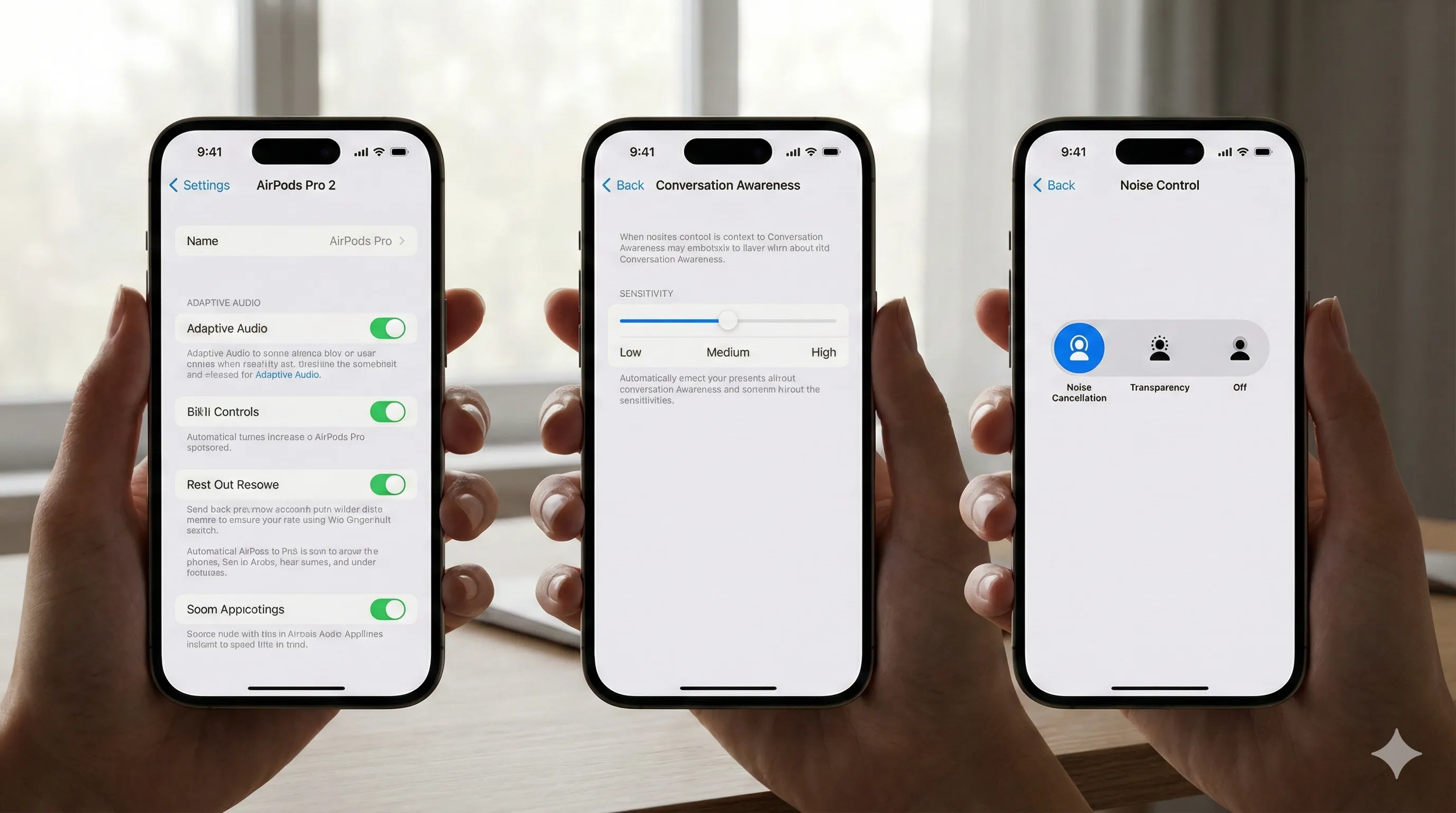
Exclusive Optimizations for AirPods Pro 3 Users:
- Enable High-Fidelity Lossless Audio:
Under your AirPods Pro 3 settings, ensure the 'Lossless Audio' toggle is enabled. This utilizes the new high-bandwidth H3 chip codec to deliver raw acoustic detail. Pair this with Apple Music Lossless for the ultimate audiophile experience. - Calibrate Health and Heart Rate Sensors:
Open the Health app and navigate to 'Devices' to sync your AirPods Pro 3 sensors.

Wear the earbuds during a 5-minute resting period to establish your biometric baseline.

This ensures accurate heart rate and temperature tracking throughout your day.
Comparison Table: AirPods Pro 3 vs. AirPods 4 (February 2026)
As of February 2026, the distinction between Apple’s two flagship audio models has reached a definitive peak.
The following breakdown compares the technical specifications and real-world capabilities of the AirPods Pro 3 and AirPods 4.
Use this guide to determine which model aligns best with your professional needs and daily lifestyle.
| Feature | AirPods Pro 3 | AirPods 4 (ANC Model) |
| Processor | H3 Chip (Next-Gen AI) | H2 Chip (Proven Efficiency) |
| Audio Format | High-Bandwidth Lossless | Standard High-Fidelity |
| Noise Cancellation | Static ANC (Maximum Isolation) | Adaptive Open-Ear ANC |
| Health Tracking | Heart Rate & Body Temp | Basic Motion Sensing |
| Live Translation | On-Device (Ultra-Low Latency) | Cloud-Based (via iPhone) |
| Charging Case | USB-C (MagSafe Optional) | USB-C + MagSafe/Qi2 Standard |
This data reflects the current 2026 market standards for both flagship devices.
The AirPods Pro 3 serves as a specialized high-fidelity hub for health and professional utility.
In contrast, the AirPods 4 remains the gold standard for intelligent, ambient listening in a comfortable open-ear design.
Both models offer unparalleled integration, but your choice should depend on whether you prioritize advanced biometric data or seamless daily convenience.
🏆 Top Picks & Recommendations
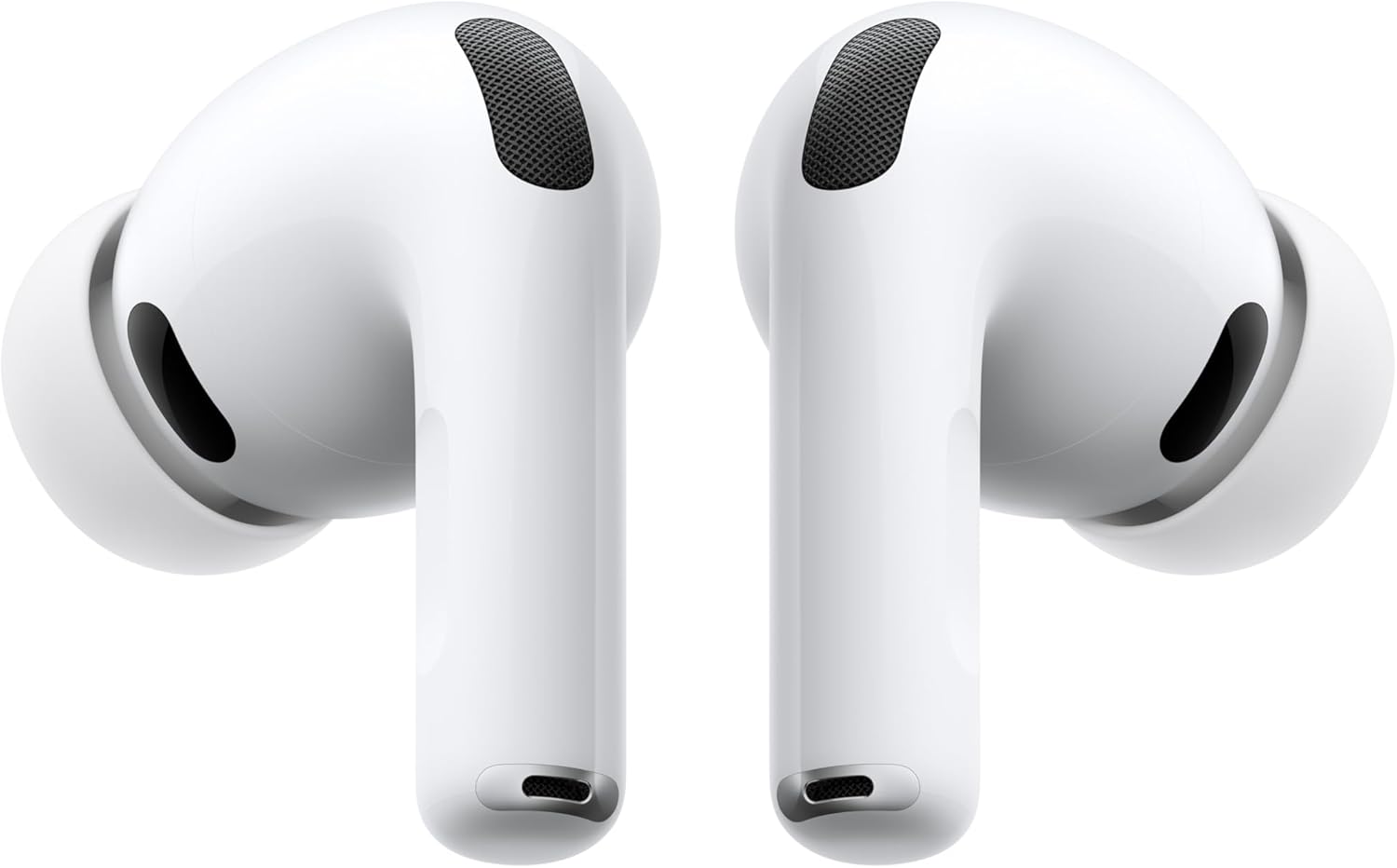
🛍️ Apple AirPods Pro 3 Wireless Earbuds, Active Noise Cancellation, Live Translation, Heart Rate Sensing, Hearing Aid Feature, Bluetooth Headphones, Spatial Audio, High-Fidelity Sound, USB-C Charging
Check the latest price and availability on Amazon.
👉 View on Amazon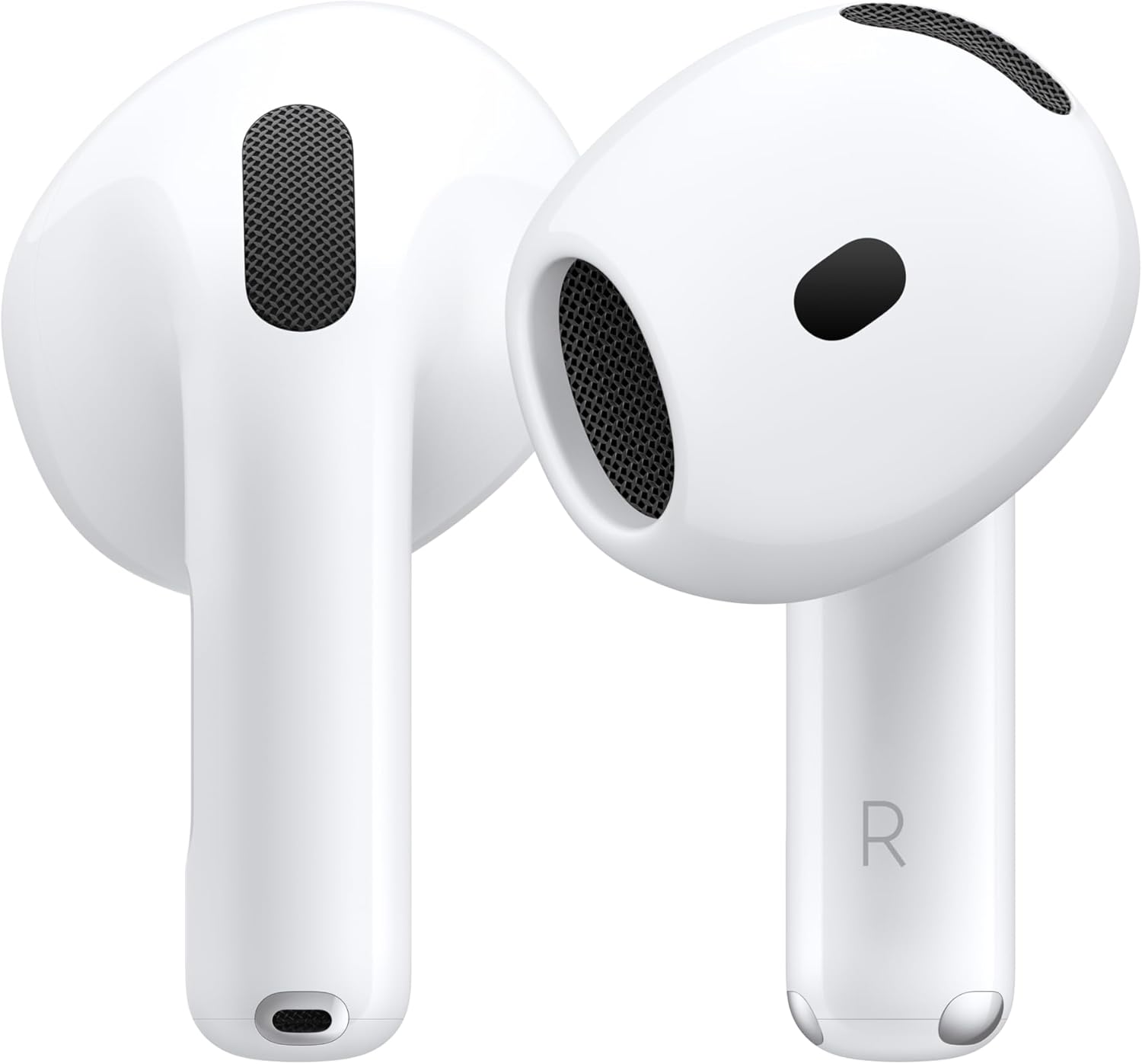
🛍️ Apple AirPods 4 Wireless Earbuds, Bluetooth Headphones, with Active Noise Cancellation, Adaptive, Transparency Mode, Personalized Spatial Audio, USB-C Charging Case, Wireless Charging, H2 Chip
Check the latest price and availability on Amazon.
👉 View on Amazon🔗 Recommended Posts
RTX 5060 Ti (2026) Showdown: ASUS vs. MSI vs. ZOTAC - The Ultimate Comparison
📜 Key Takeaways for the RTX 5060 Ti BattleASUS Dual OC: The undisputed versatility champion. It delivers nearly 97% of MSI’s performance in a much more compact frame, making it the most sensible choice for the majority of builds.MSI GAMING OC: The pre
tech.dragon-story.com
From Prompt to Anthem: The Definitive 2026 Guide to Creating Music with Gemini
Key Takeaways for Gemini Music CreationGemini's Lyria 3 model, integrated directly into the Gemini app, has democratized music creation for everyone in 2026.Start by typing a simple prompt or selecting 'Music Mode' to access the intuitive interface.Craft e
tech.dragon-story.com
Beyond the Press Release: An Inside Look at Goldman Sachs' AI Transformation with Anthropic's Claude
Key Takeaways: Goldman Sachs & Claude AI IntegrationWorkflow Transformation: Claude AI has introduced new stages like 'Pre-Review Triage' and 'AI Oversight' roles, shifting human tasks from primary review to validation and exception handling.Nuanced Perfor
tech.dragon-story.com


