Key Takeaways: Your Quick Guide to Smart Glasses in 2026
- Smart glasses in 2026 are lightweight, all-day companions for "glanceable" information and AI assistance, distinct from immersive VR/MR headsets.
- Key selection criteria include display technology, sleek design, practical battery life (aim for 4-6 hours active use), ecosystem compatibility, transparent privacy features, and responsive AI assistants.
- The market leaders in early 2026 are the Meta Ray-Ban Wayfarer Gen 2, Apple Iris, Google Frames 2.0, Amazon Echo Frames (Gen 4), and the XREAL Air 3 Pro.
- Our top recommendation for early 2026 is the Meta Ray-Ban Wayfarer Gen 2, balancing iconic style, a capable camera, integrated Meta AI, and an accessible price point for widespread appeal.
Smart Glasses in Early 2026: Choosing Your Wearable AI Companion
As of early 2026, smart glasses have matured beyond their experimental phases, offering genuine utility as sophisticated wearable tech.
This guide cuts through the complexities of the current market, providing a comprehensive comparison to help you choose the best smart glasses for your everyday life.
We will explore the top contenders, their features, real-world performance, and crucial considerations to ensure you make an informed decision.
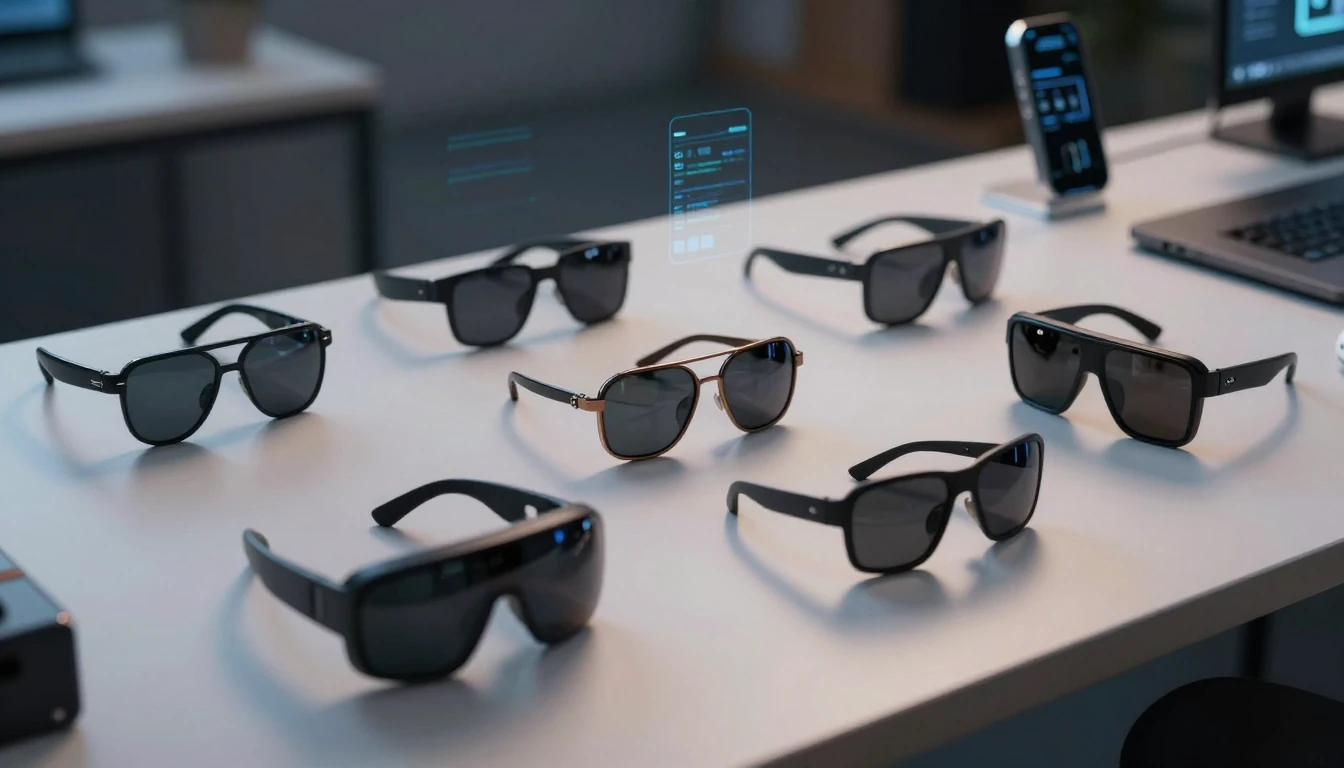
What are Smart Glasses in 2026? A Clear Definition
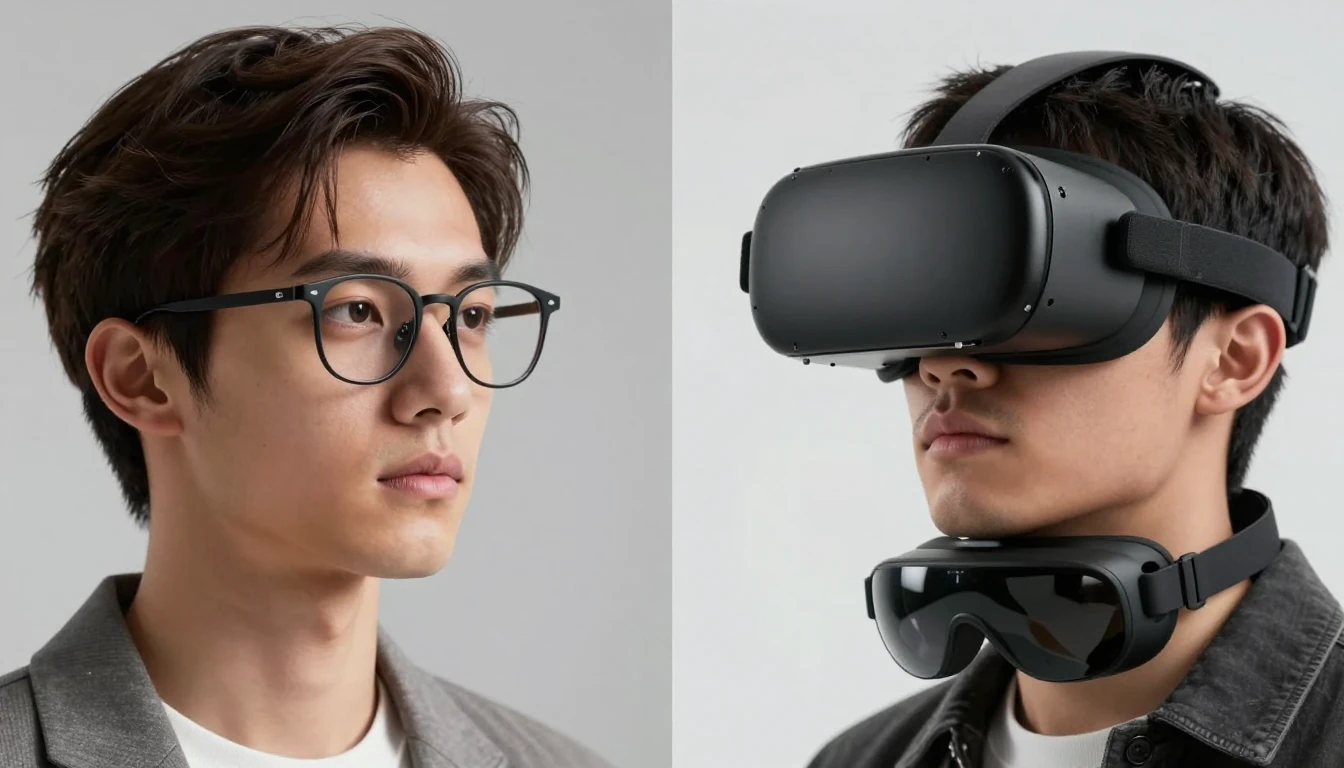
Before diving into specific models, it’s important to clarify what "smart glasses" mean today.
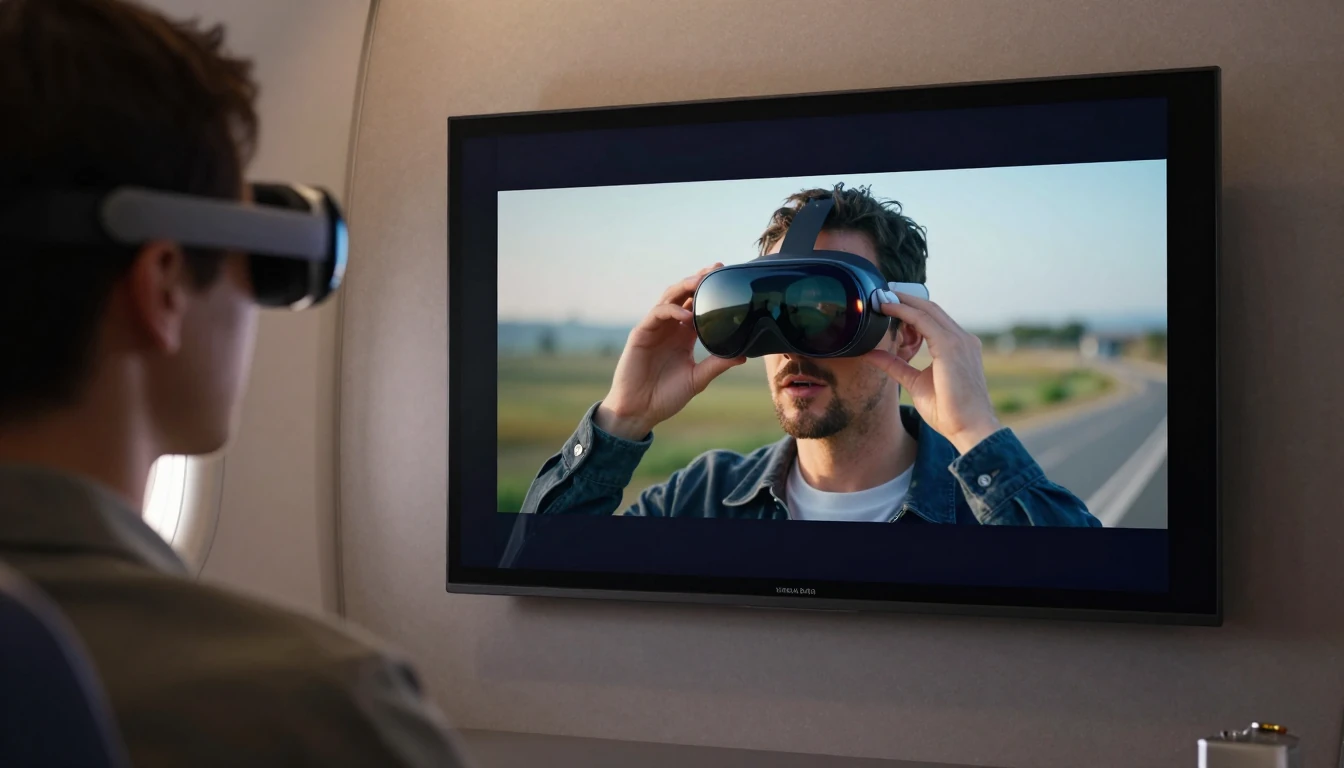
These devices are distinct from their more immersive counterparts:
- Virtual Reality (VR) Headsets (e.g., Meta Quest 4):
These fully enclose your vision, transporting you into entirely digital environments for gaming, social experiences, or training. They are not designed for everyday, social wear. - Mixed Reality (MR) Headsets (e.g., Apple Vision Pro):
These are larger, goggle-like devices that blend digital content with the real world using high-fidelity graphics. While powerful spatial computers, they prioritize immersive experiences over all-day, discreet wear.
Smart glasses in 2026 are defined by their lightweight form factor and subtle integration into daily life.
They are designed to look like conventional eyeglasses and are intended for all-day use.
Their core functions focus on 'glanceable' information and ambient computing:
- AI-Powered Assistance:
Get on-the-fly language translation, object identification, or conversational AI access without reaching for your phone. - Heads-Up Notifications:
Discreetly view messages, navigation prompts, and calendar alerts directly in your field of vision. - First-Person Capture:
Seamlessly capture photos and videos from your own perspective. - Open-Ear Audio:
Listen to music, podcasts, and take calls while remaining fully aware of your surroundings.
Think of them as intelligent companions to your smartphone, not direct replacements.
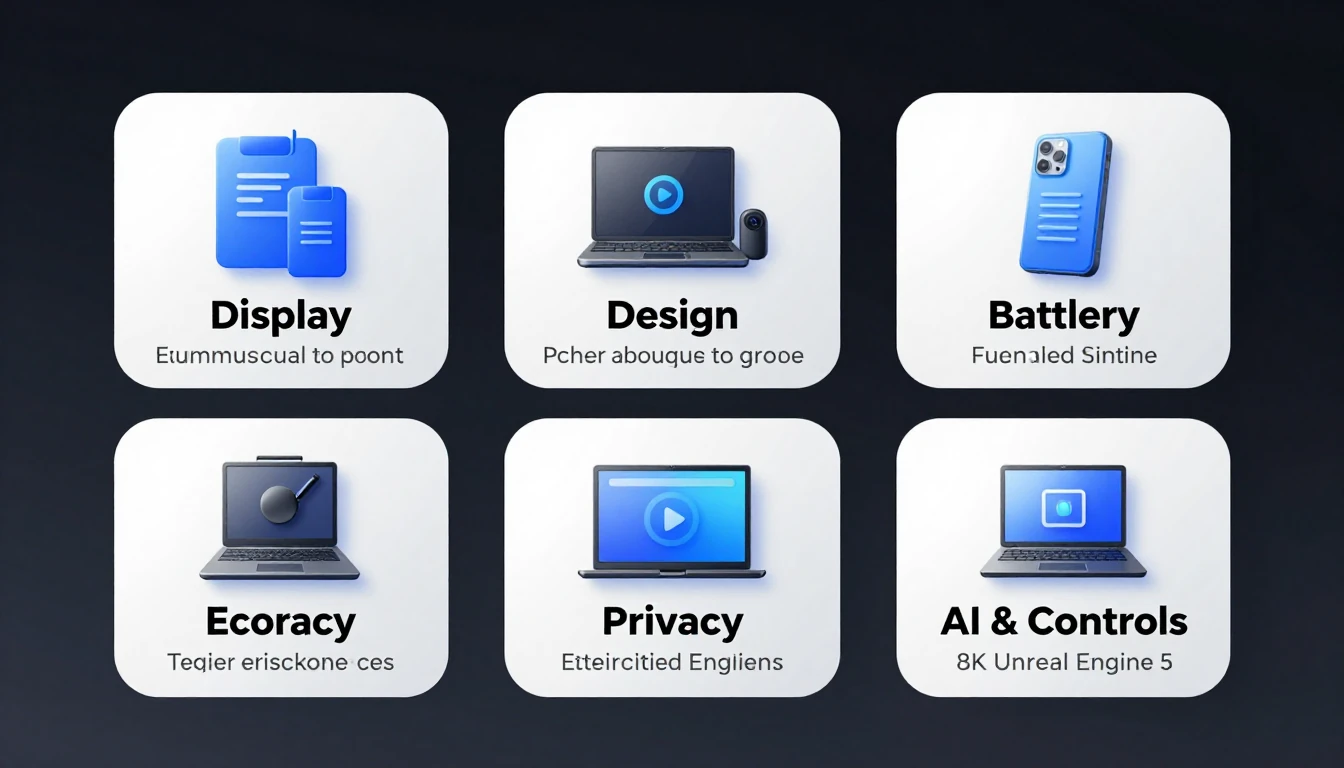
Critical Criteria for Choosing Smart Glasses Today
Selecting the right smart glasses means balancing advanced technology with practical daily use.
Here are the most important factors to consider:
- Display Technology:
This dictates your visual experience.
Options range from simple LED indicators to sophisticated full-color waveguide or microOLED projectors that create virtual screens.
Focus on brightness, clarity, and the field-of-view (FoV). - Design & Social Acceptability:
If they don't look good or feel comfortable, you won't wear them.
Weight, style options (especially brand partnerships), and overall comfort are key. - Battery Life:
The current benchmark is around 4-6 hours of mixed, active use on a single charge.
A charging case that provides multiple recharges throughout the day is now standard and essential. - Ecosystem Compatibility:
Consider how well the glasses integrate with your existing digital life.
Apple's tight integration with iOS and visionOS is a significant draw for iPhone users, while other brands offer broader Android support. - Privacy Features:
This is a crucial area.
Look for clear hardware indicators, such as a bright, un-hackable LED, that show when the camera is recording.
Transparent data policies and on-device processing are also important. - AI & Controls:
The quality of the onboard AI assistant (Meta AI, Google Assistant, Alexa, Siri) and the ease of control (voice commands, touchpad, physical buttons) define the user experience.
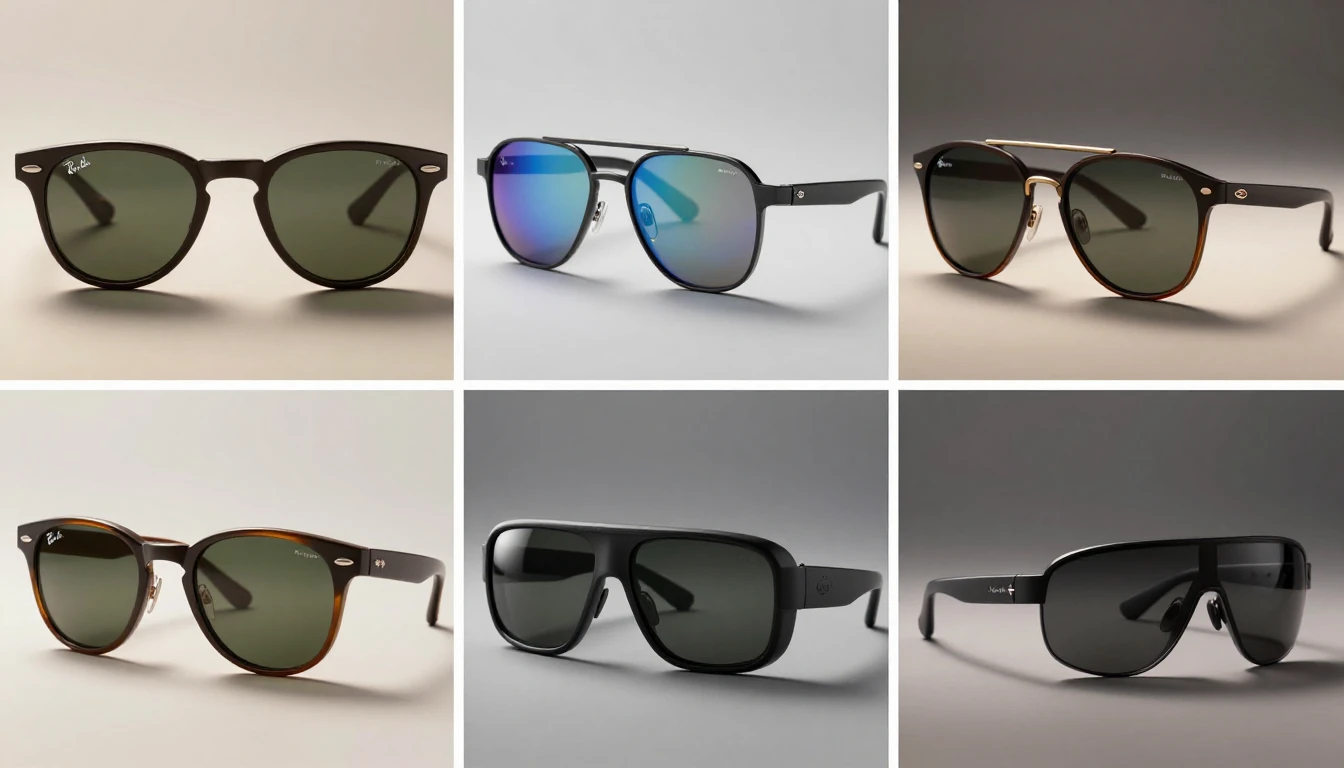
Top Smart Glasses Models of Early 2026: The Contenders
As of early 2026, a few key players lead the smart eyewear market, each offering a distinct approach to wearable intelligence.
These are the models setting the standard for the current generation:
- Meta Ray-Ban Wayfarer Gen 2:
Released in mid-2025, this is Meta's refined second generation.
It prioritizes iconic style, features a much-improved camera, and integrates deeply with Meta AI. - Apple Iris:
Apple's first true smart glasses, launched in Q4 2025.
Designed as a companion to the iPhone and Vision Pro, it emphasizes seamless ecosystem integration and robust privacy. - Google Frames 2.0:
A significant evolution, building on the North Focals acquisition.
This device is productivity-focused, offering powerful Google Assistant and Lens integration, backed by a holographic waveguide display. - Amazon Echo Frames (Gen 4):
The most audio-centric option, now with a simple projection system for basic notifications.
Its strength lies in deep integration with the Alexa ecosystem. - XREAL Air 3 Pro:
While more of an 'AR Viewer' than a standalone smart device, its stunning microOLED display makes it the best choice for portable media consumption.
Deep Dive: Feature Comparison Table
To help you compare the core capabilities of these leading smart glasses, here's a detailed side-by-side breakdown.
| Feature | Meta Ray-Ban Gen 2 | Apple Iris | Google Frames 2.0 | Amazon Echo Frames (Gen 4) | XREAL Air 3 Pro |
|---|---|---|---|---|---|
| Display Technology | In-lens LED Indicator (Notifications) | Waveguide, Color MicroLED | Holographic Waveguide, Color | Monochrome Projection | Dual MicroOLED (Birdbath optics) |
| Resolution | N/A (Indicator only) | ~720p effective per eye | ~640p effective per eye | Text/Icon only | 1920x1080 per eye (3D capable) |
| Field of View (FoV) | N/A | ~30 degrees | ~25 degrees | ~15 degrees | ~50 degrees |
| Camera | 16MP Photo, 1440p Video | 12MP Photo, 4K Video (Spatial) | 12MP Photo, 1080p Video | No Camera | No Camera |
| Audio | Open-ear, improved bass | Personalized Spatial Audio | Directional Open-ear | Open-ear with Alexa | Built-in Stereo Speakers |
| Processor | Qualcomm AR1 Gen 2 | Apple S10 SiP | Google Tensor G4 (modified) | Custom Amazon Neural | N/A (requires host device) |
| AI Assistant | Meta AI | Siri | Google Assistant | Alexa | N/A (uses host's) |
| Battery (Active Use) | ~5 hours | ~4 hours | ~6 hours | ~7 hours (audio only) | N/A (powered by host) |
| Charging Case | Yes, provides 4 extra charges | Yes, provides 3 extra charges | Yes, provides 3 extra charges | Yes, provides 2 extra charges | N/A |
| Connectivity | Wi-Fi 6E, Bluetooth 5.3 | Wi-Fi 6E, Bluetooth 5.3, UWB | Wi-Fi 6, Bluetooth 5.2 | Bluetooth 5.2 | USB-C DisplayPort |
| Platform | iOS & Android | iOS, visionOS only | Android (Primary), iOS (Limited) | iOS & Android | Any USB-C DP device |
| Prescription Lenses? | Yes, via LensCrafters | Yes, via Apple partnership | Yes, custom order | Yes | Yes, with included insert |
| Privacy Indicator | Bright White LED | Ultra-bright Green LED | White LED | N/A | N/A |
| Est. Price (USD) | $379 | $799 | $649 | $299 | $499 |
Real-World Experience: Performance & Design
Specs are one thing, but how do these smart glasses perform in daily use?
The Meta Ray-Ban Gen 2 truly shines in social environments.
Capturing spontaneous moments is fast and seamless.
Meta AI's visual analysis feature, which can identify objects or landmarks, is quick and genuinely useful.
The partnership with Ray-Ban remains a winning formula, offering a device that is almost indistinguishable from classic sunglasses.

The Apple Iris provides a magical experience for dedicated iPhone users.
Notifications appear with beautiful, fluid animations, and the handoff between the Iris, iPhone, and a Vision Pro is flawless.
However, its utility feels noticeably limited when not deeply integrated within the Apple ecosystem.
Its design is characteristically minimalist and high-tech, crafted from premium materials like titanium and glass, though it's heavier than other options.
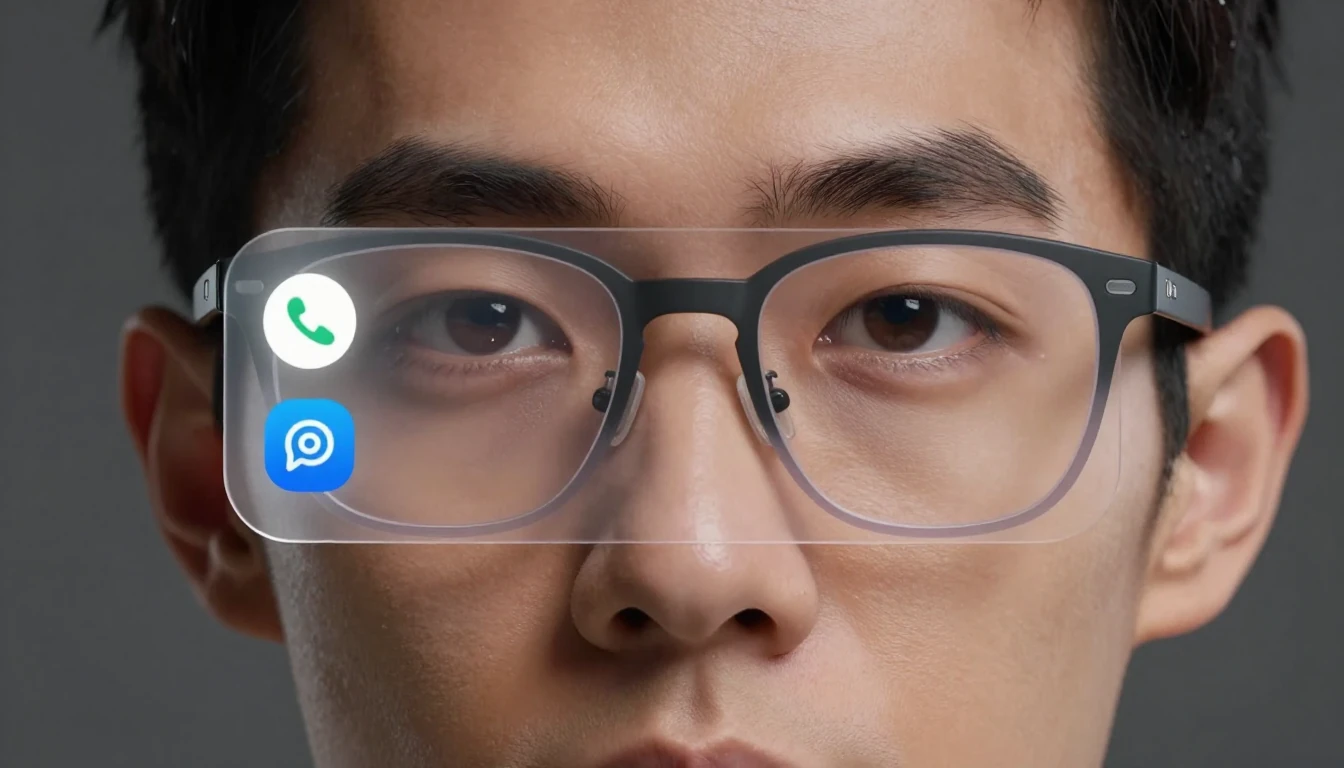
The Google Frames 2.0 establishes itself as the productivity champion.
Live translation of conversations appears as subtitles directly in your vision, a powerful feature for multilingual interactions.
Google Assistant proactively offers directions or information based on your calendar and location, making it the most 'proactive' smart glasses available.
Google Frames have a more utilitarian, 'techy' appearance compared to the fashion-forward options.

The Amazon Echo Frames remain the simplest option, excelling at hands-free control of smart home devices via voice.
They also provide a solid audio experience for podcasts and calls.
The new notification display is basic but effective for quickly seeing who is calling or texting.
Echo Frames offer a wide variety of styles but feature slightly thicker arms to house the electronics.

The XREAL Air 3 Pro truly acts as a portable movie theater.
When connected to a phone or laptop, it projects a massive, crisp virtual screen.
While it lacks 'smart' features of its own, its viewing experience for media consumption is unmatched.
All models have made significant strides in weight distribution, contributing to comfort for several hours of continuous wear.
Powering Your Vision: Battery & Charging Solutions
Achieving true all-day battery life remains a challenge for smart glasses.
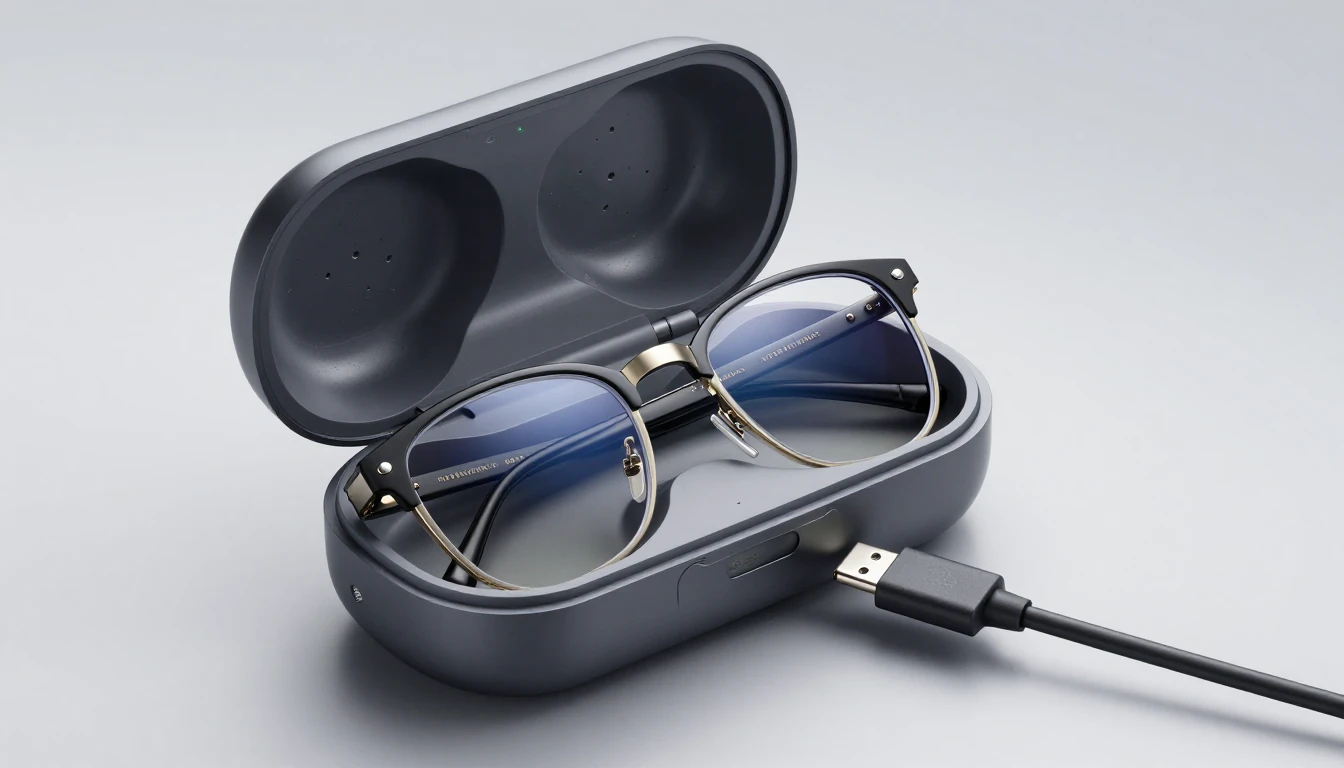
You will generally need to rely on the charging case to top up your device throughout the day.
The Google Frames 2.0 leads in active use efficiency, likely due to its lower-power display technology, offering around 6 hours.
The Apple Iris, with its brighter display and constant UWB connectivity, often requires a midday charge for power users, typically lasting around 4 hours.
All current models now feature convenient magnetic charging pins within their cases.
USB-C has become the standard for charging the cases themselves, simplifying your charging setup.
Navigating the Privacy Landscape
Privacy and security remain key considerations for the social acceptance of smart glasses.
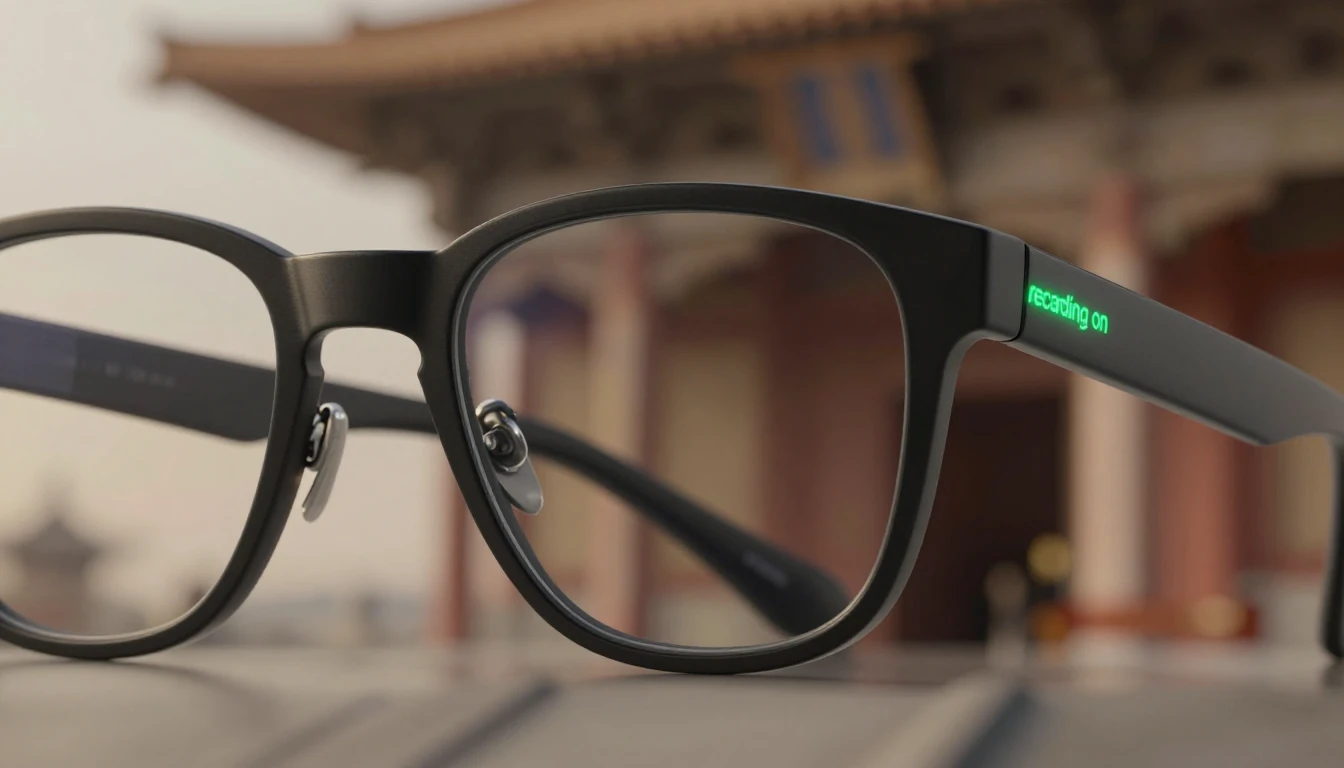
All camera-equipped glasses now feature prominent, bright, hardware-linked LEDs.
These indicators are impossible to disable via software, providing a clear visual cue to others when recording is active.
Apple leads in on-device processing, handling most Siri requests and notification data locally on the Iris.
Meta and Google have improved transparency regarding data usage for AI training compared to previous generations, but they still leverage cloud processing extensively for their advanced AI features.
Users typically have granular controls within companion apps to manage data and review voice recordings.
However, the fundamental privacy trade-off when using these connected devices remains an important consideration.
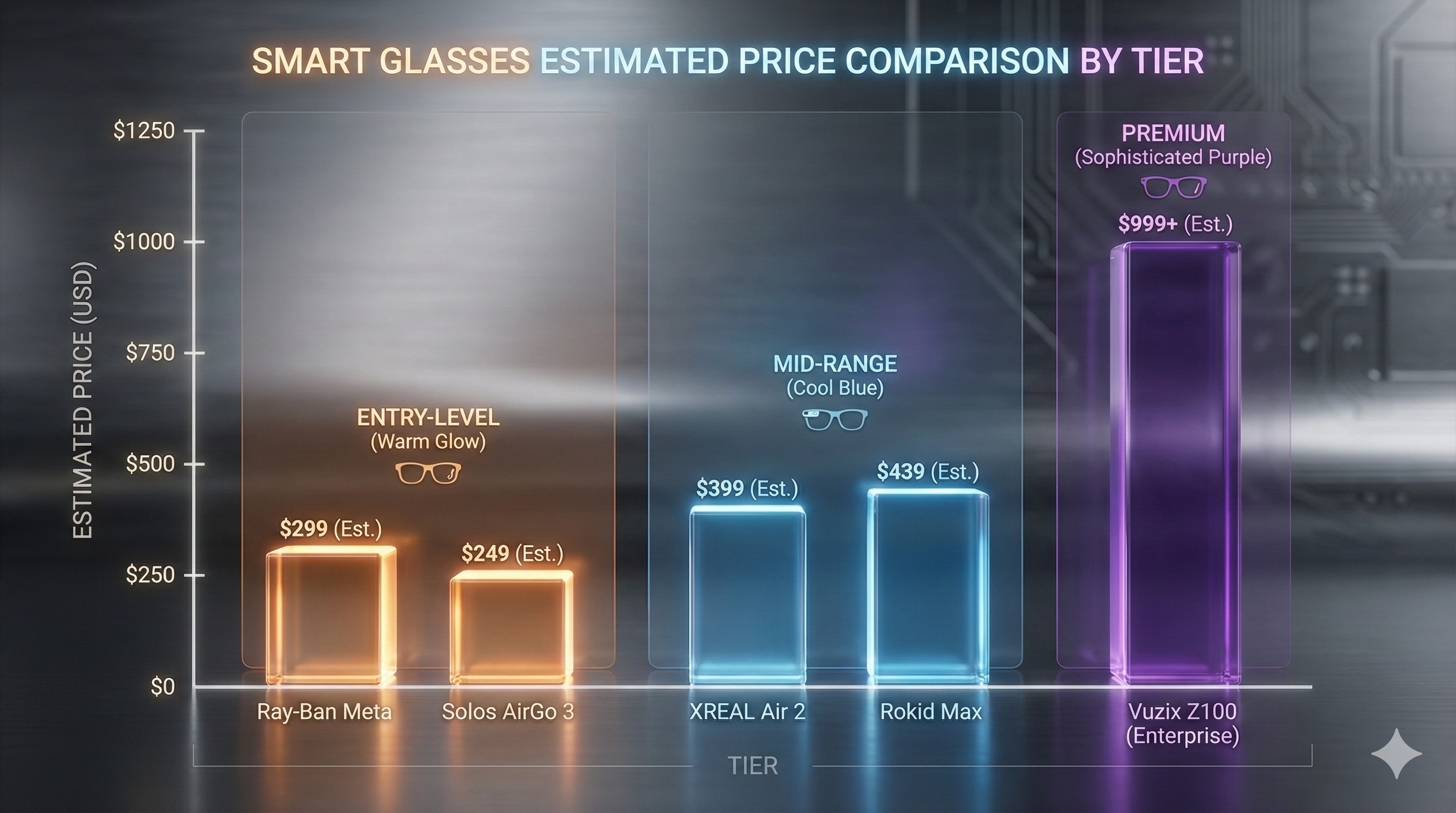
Price vs. Value Analysis: Is the Investment Worth It?
The cost of smart glasses varies significantly, reflecting different feature sets and target users.
- Entry-Level ($299-$379):
The Amazon Echo Frames and Meta Ray-Ban Wayfarer Gen 2 offer immense value.
Amazon is excellent for audio and Alexa integration, while Meta provides a stylish camera and AI assistant at an accessible price. - Mid-Range ($499-$649):
The XREAL Air 3 Pro and Google Frames 2.0 cater to specific needs.
XREAL is a fantastic value for travelers and media enthusiasts due to its superior display.
Google Frames is a solid investment for professionals who can leverage its productivity-enhancing features. - Premium ($799):
The Apple Iris comes with the expected 'Apple Tax'.
Its value isn't solely in the specifications but in its flawless, secure integration into the Apple ecosystem.
For dedicated iPhone and Mac users, this premium may be justified for the unparalleled seamless experience.
As of January 2026, potential subscription costs for enhanced AI features are rumored for several platforms but have not yet been implemented.
Finding Your Perfect Pair: Recommendations for Every User
Your ideal smart glasses depend on your lifestyle and priorities.
- For the Social Butterfly & Casual User: Meta Ray-Ban Wayfarer Gen 2.
It's stylish, user-friendly, and boasts the best point-of-view camera for capturing life on the move, blending seamlessly into social interactions. - For the Apple Ecosystem Loyalist: Apple Iris.
No other device integrates so deeply and smoothly with the iPhone and Vision Pro.
The experience is polished, private, and effortlessly connected within Apple's walled garden. - For the Productivity Power User: Google Frames 2.0.
Its proactive Google Assistant features and real-time live translation make it an unparalleled tool for managing a busy schedule, especially for Android users. - For the Audiophile & Smart Home Enthusiast: Amazon Echo Frames (Gen 4).
This is an excellent audio device with hands-free Alexa access, all at a very accessible price point, ideal for managing your connected home. - For the Movie Lover & Mobile Gamer: XREAL Air 3 Pro.
While not a 'smart' device in the traditional sense, as a portable display, it delivers an unmatched visual experience for media consumption on the go.
The Verdict: Our Top Pick for Early 2026
While the Apple Iris presents a stunning, albeit expensive, vision of the future for those fully invested in its ecosystem, the Meta Ray-Ban Wayfarer Gen 2 is our pick for the best overall smart glasses in early 2026.
Meta has successfully achieved the most critical balance: a desirable form factor that people genuinely want to wear, combined with features that are both genuinely useful and not overwhelming.
The vastly improved camera and the practical utility of Meta AI's visual search, all packaged in an iconic design and at a highly accessible price point, make it the most compelling and complete package for the widest range of users today.
It is the product that most effectively bridges the gap between an advanced tech gadget and a fashionable, everyday accessory.

For more information on data privacy and specific features, please check the official websites for Meta, Apple, Google, and Amazon.


