🚀 Key Takeaways
- The Galaxy S26 introduces "Dual AI" capabilities.
- It is positioned as ushering in the "multi-agent era."
- This marks a significant shift in mobile AI capabilities.
The future of mobile intelligence has arrived with the Galaxy S26, poised to redefine our interaction with technology.
This groundbreaking device introduces a revolutionary "Dual AI" system, setting the stage for an unprecedented era of intelligent assistance.
It's not just about enhanced processing; the Galaxy S26 is positioned to usher in an entirely new "multi-agent era," fundamentally changing how applications and services collaborate.
Prepare to rethink what your smartphone can achieve with its advanced, collaborative AI capabilities.
This feature tutorial will delve into the foundational shift represented by Dual AI and the dawn of multi-agent capabilities on the Galaxy S26, as it stands ready to lead this technological evolution.
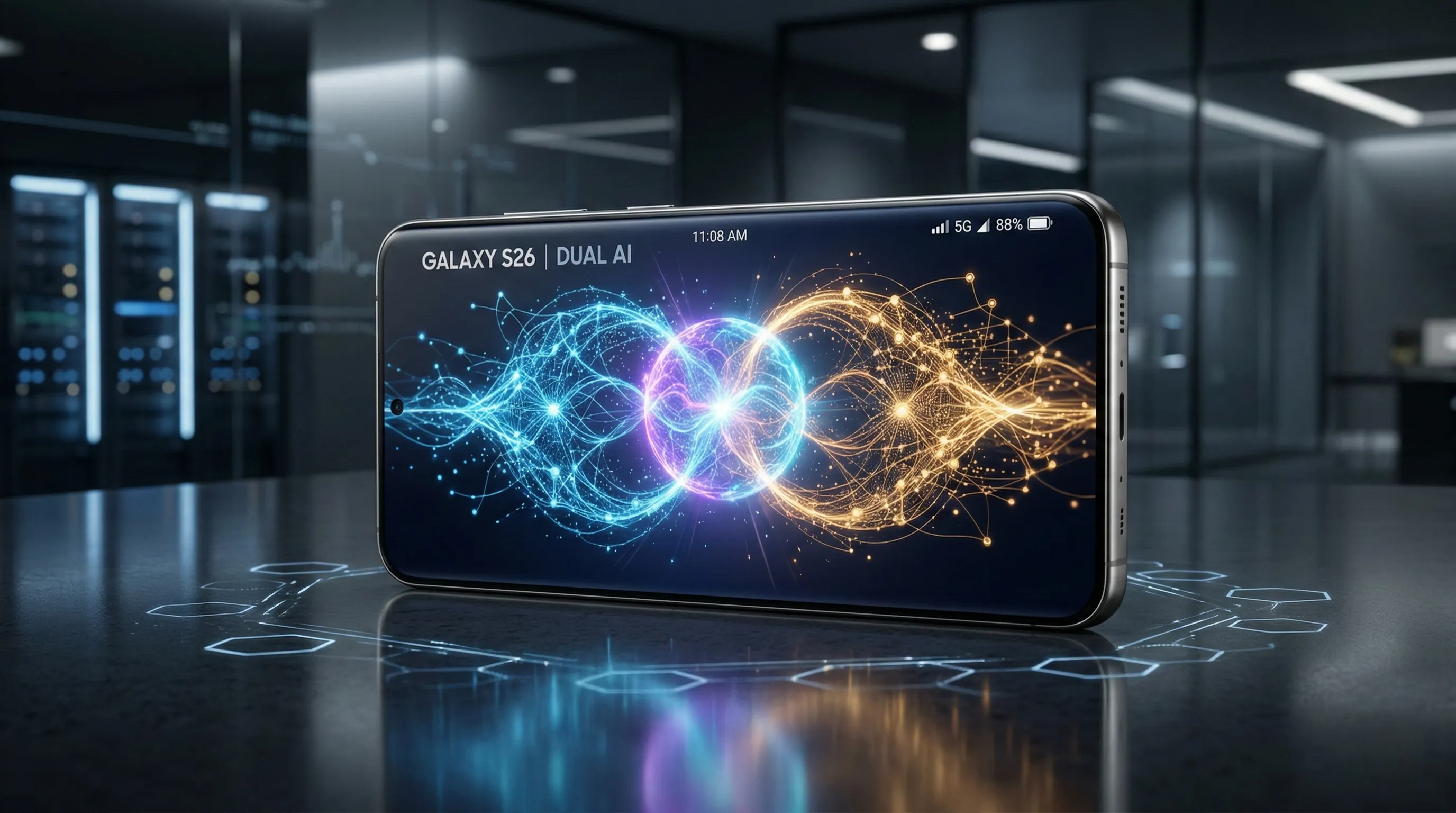
At a Glance: Key Details
| Feature/Aspect | Description |
|---|---|
| Device | Galaxy S26 |
| Core AI System | "Dual AI" capabilities |
| Strategic Positioning | Ushering in the "multi-agent era" |
| Impact | Significant shift in mobile AI, advanced collaborative intelligence |
| Specifics (Setup/Commands) | Currently limited; official guidance awaited |
1. Unboxing the Future: Your First Multi-Agent Setup
Activating the Multi-Agent Frontier: What to Expect
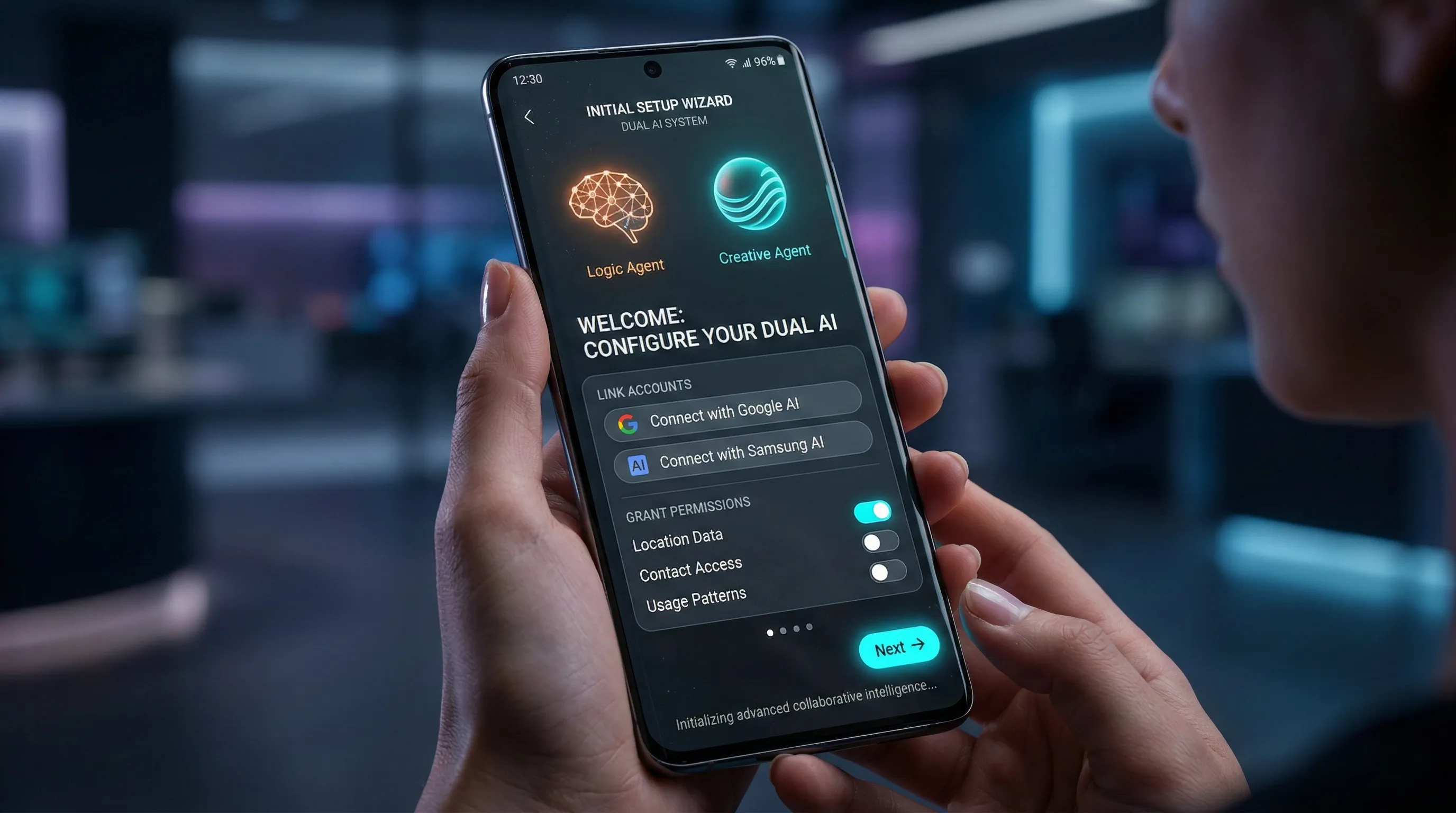
According to the announcement, the Gal S26 has "opened the multi-agent era" with its "Dual AI" system.
Specific, confirmed details regarding the initial setup process for this system, including precise steps for account linking and permission configuration, are not present within the provided specifications.
Generally, enabling a sophisticated multi-agent system requires users to establish primary AI profiles and grant necessary access to device functions and integrated services.
Users would typically navigate through on-screen prompts to authorize data sharing between agents and connected platforms during the first-run configuration.
This foundational setup ensures the interconnectedness required for advanced AI operations.
Harmonizing Intelligence: The Power of Initial Configuration
Properly configuring your initial Dual AI setup is paramount for unlocking its full potential.
A meticulously integrated multi-agent system facilitates seamless task delegation and intelligent automation across diverse applications.
This allows agents to collaboratively manage complex requests, optimize user workflows, and deliver deeply personalized experiences based on explicitly granted permissions.
The primary benefit lies in creating a unified, proactive digital ecosystem that transcends the limitations of single-agent interactions, adapting intelligently to individual user needs.
Guarding Your Gateway: Essential Setup Pro-Tips
As of current information, specific community feedback regarding the initial setup experience for the Gal S26 Dual AI is not available within the provided data.
For new users approaching any advanced multi-agent system, a critical pro-tip is to diligently review all requested permissions.
Understanding precisely what data each agent can access and how they are configured to interact is fundamental for maintaining user privacy and ensuring optimal system performance.
It is advised to approach permission granting with caution, potentially starting with minimal access and expanding as familiarity grows, or to consult official documentation once it becomes available for comprehensive guidance.
2. Your First Conversation: Mastering the Basics of Dual AI
Current Insights on Dual AI Interaction Fundamentals
Based on the provided information, specific details regarding the fundamental commands and core conversational UI for Dual AI on the Galaxy S26 are not yet available.
The overarching concept introduces a 'multi-agent era', suggesting advanced interaction capabilities.
However, concrete steps or detailed specifications on how to issue basic tasks to a single agent within this system have not been found through current data.
This means a definitive tutorial on initial commands and foundational interactions cannot be provided at this time.
Navigating the Future: Why Official Guidance is Key
While the specifics of Dual AI's foundational interactions remain to be detailed, the promise of a 'multi-agent era' suggests significant advancements in how users will engage with their devices.
Understanding the precise commands and UI elements will be crucial for leveraging potential benefits such as enhanced productivity, personalized assistance, and streamlined task management.
The absence of current detailed specifications means users should anticipate and rely on official releases for accurate guidance on mastering these new interactions.
This approach ensures a smooth and effective initial experience once the full details are unveiled.
Pro-Tip: Preparing for Your First AI Dialogue
Given the emerging nature of Dual AI and the 'multi-agent era', a critical pro-tip for future users is to closely monitor official announcements and developer documentation.
As detailed commands and the conversational UI become available, understanding these foundational elements will be paramount for unlocking the system's full potential.
Early adopters should prioritize official sources for learning interaction basics to avoid misinformation and ensure a successful initial setup.
Being patient and prepared for the learning curve of a new AI paradigm will be beneficial.
3. The Power of Two: Advanced Multi-Agent Coordination Tips
Orchestrating Seamless Dual-Agent Task Decomposition
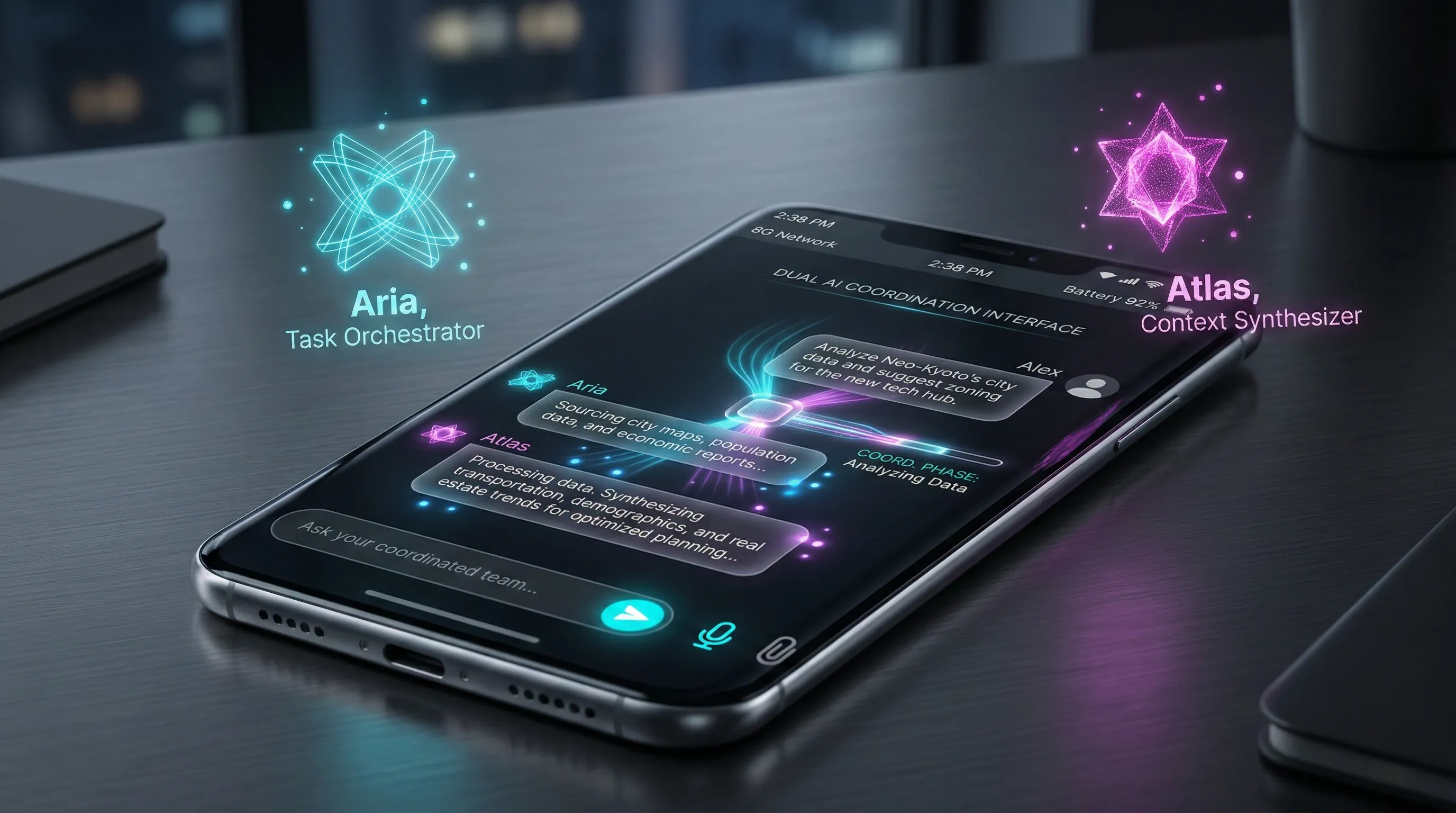
Complex challenges can be efficiently tackled by leveraging the strengths of two distinct AI agents, each specializing in a phase of the workflow.
Consider a hypothetical scenario of planning a multi-city international trip.
Agent One (The Strategist) could be assigned the role of defining the overarching trip parameters, such as destination preferences, budget constraints, travel dates, and activity interests.
Its primary function would involve breaking down the macro-task into granular, actionable sub-tasks, like "research flights to Paris," "find accommodation in Rome," or "identify cultural attractions in Tokyo."
This agent would also establish the initial sequential or parallel dependencies between these sub-tasks.
Agent Two (The Navigator) would then receive these refined sub-tasks and execute the detailed information gathering and comparison.
For instance, upon receiving "research flights to Paris," Agent Two would access real-time flight data, compare airlines, layovers, and pricing, and summarize optimal choices.
It would then feed this detailed information back to Agent One for evaluation against initial parameters.
This iterative process, where one agent plans and refines while the other researches and executes, allows for dynamic adjustment and comprehensive output.
Elevating Efficiency Through Collaborative Intelligence
The strategic division of labor between two AIs offers significant advantages in managing complex, multi-faceted projects.
By assigning specific roles, such as a Strategic Planner and a Detailed Researcher, the overall process gains remarkable efficiency and depth.
This approach allows for parallel processing of information, as the Strategist can concurrently refine subsequent steps while the Researcher is actively gathering data for a current one.
For example, while the Researcher is compiling hotel options for one city, the Strategist can begin outlining potential itinerary options for the next.
The back-and-forth communication between these specialized agents ensures that decisions are informed by the most current data, while remaining aligned with the broader strategic objectives.
This synergistic collaboration can lead to more comprehensive, optimized, and robust outcomes compared to a single-agent approach attempting to manage both high-level strategy and granular detail.
The benefits extend to complex research, where one agent frames the research questions and evaluates findings, while the other delves into extensive data synthesis and fact-checking.
Designing for Optimal Agent Interaction and Iteration
Effective multi-agent coordination hinges on robust communication protocols and clear task handover mechanisms.
A critical pro-tip for designing such systems is to establish well-defined interfaces for information exchange between agents.
This ensures that data passed from one agent to another is structured, unambiguous, and immediately actionable.
Implementing feedback loops is paramount, allowing agents to iteratively refine their outputs based on new information or strategic adjustments.
For instance, if Agent Two's research uncovers a constraint that impacts Agent One's initial plan (e.g., a specific travel date is significantly more expensive), it should be able to flag this back for re-evaluation.
Furthermore, defining precise scopes and responsibilities for each agent minimizes redundancy and potential conflicts in their operational domains.
Future developments in multi-agent systems are expected to focus on increasingly sophisticated negotiation and conflict resolution mechanisms to enhance autonomous collaboration.

4. Automate Everything: Optimizing Your Workflow with Dual AI
The Dawn of Multi-Agent Intelligence
The Galaxy S26, featuring ‘Dual AI’, has been announced as opening a transformative multi-agent era.
This development positions the device at the forefront of AI integration.
According to initial statements, the focus is on a significant paradigm shift.
However, detailed specifications on how users will create and save custom automated routines leveraging this multi-agent system are not currently available.
Envisioning Streamlined Digital Workflows
The concept of a multi-agent system, introduced with Dual AI on the Galaxy S26, inherently suggests future potential for optimizing digital workflows.
This framework typically implies systems that can collaboratively manage complex tasks, from scheduling to information processing.
While the broad vision is set, specific examples or tutorials detailing how these advanced capabilities will streamline user daily tasks are not yet provided.
The anticipation is for a new level of automated efficiency in managing personal and professional activities.
Preparing for Next-Generation Automation
As the multi-agent era with Dual AI unfolds, user experiences and community feedback on specific automation features are eagerly awaited.
Currently, there is no available sentiment or detailed review from users regarding the creation of custom automated routines.
A critical pro-tip for those looking to harness the power of the Galaxy S26's multi-agent system is to stay informed through official product announcements and future software updates.
Specific guidance on optimizing daily tasks via personalized automation will likely follow as more functionality is unveiled.

5. 💡 Tech Talk: Making Sense of the Jargon
- Dual AI: Imagine your phone having two super-smart helpers, each really good at different kinds of tasks. Instead of just one helper trying to do everything, these two work perfectly together, like a highly coordinated team, to make your phone smarter and faster.
- multi-agent era: Think of it like a superhero team inside your phone, not just a single hero! Instead of one AI trying to solve all problems, you have a whole squad of specialized AIs (agents). Each one has a unique skill, and they all work together, sharing information and helping each other, so your phone can tackle much bigger and more complex challenges than ever before.
🔗 Recommended Posts
NVIDIA's 4-Bit Revolution: The 2026 Definitive Guide to 'Lossless' AI Compression
Key Takeaways: NVIDIA's 4-bit QuantizationUnprecedented Compression: NVIDIA's new AQFB technique achieves near-lossless 4-bit quantization, retaining 99.4% of FP16 accuracy on benchmarks.Massive VRAM Savings: This translates to a 4x reduction in VRAM for m
tech.dragon-story.com
Apple Intelligence 2.0: The Definitive Guide to iOS 19.3's AI Revolution
Key Takeaways from Apple Intelligence 2.0 (iOS 19.3 Preview)Deeper Integration: Apple Intelligence 2.0 in iOS 19.3 goes beyond app-specific tools, offering system-wide AI capabilities through a new 'AI Context Layer' that understands and uses information a
tech.dragon-story.com
Gemini's AI Music Feature: The Ultimate Guide to Lyria 3
🚀 Key TakeawaysGemini's new AI music feature, powered by Lyria 3, allows users to effortlessly create custom 30-second music tracks from text descriptions or even images, generating instrumental audio or tracks with lyrics and unique cover art.Lyria 3,
tech.dragon-story.com


