Key Takeaways for Boosting Your Productivity with AI in 2026
- AI tools in 2026 are highly specialized and deeply integrated, moving beyond simple automation to predictive workflows and cross-platform cohesion.
- Your existing software ecosystem largely dictates the best choice, with Microsoft Copilot Fabric and Google Gemini Advanced Workspace leading for deep integration.
- Prioritize apps with strong Human-in-the-Loop (HITL) design for user control and consider ethical AI and data privacy, looking for transparency and on-device processing options.
- Avoid 'tool overload' and the 'magic wand' fallacy; start with one core tool and invest in learning effective AI prompting for optimal results.
- Our top recommendations include Microsoft Copilot Fabric (Best Overall), Notion OS (Best All-in-One 'Second Brain'), and ScribeAI (Best Specialist Tool for meetings).
The Definitive Guide: 10 Best AI Productivity Apps to Supercharge Your Daily Routine (2026 Edition)
Staying productive in 2026 means leveraging the right tools. AI productivity apps are no longer optional additions; they are fundamental components of an efficient daily routine.
This guide cuts through the noise to help you find the best AI apps that deliver measurable productivity gains, integrating seamlessly into your workflow.
Our AI Productivity App Selection Criteria: Beyond the Hype
We evaluated each application using objective benchmarks, moving past marketing claims.
Here are the key criteria that guided our selections:
- Predictive Workflow Automation (PWA):
Does the app learn your habits to proactively suggest and automate multi-step tasks, rather than just single actions? - Cross-Platform Cohesion:
How seamlessly does the app's context and data sync across desktop, web, and mobile, providing a truly unified experience? - Human-in-the-Loop (HITL) Design:
Does the interface make it easy to review, edit, and guide the AI's output, ensuring user control and accuracy? - Integration Ecosystem Score:
We measured the depth and breadth of its API and native integrations with essential platforms like Microsoft 365, Google Workspace, Slack, and Salesforce. - Ethical AI & Privacy Index:
A score based on data encryption standards, transparency in AI model training data, on-device processing options, and clear data ownership policies.
AI Productivity Powerhouses: A Side-by-Side Feature Comparison (2026 Edition)
To help you compare, here's a detailed look at the core functions, unique selling points, and limitations of the top AI productivity apps.

| App Name (Version) | Core Function | Unique Selling Point (USP) | Key Integrations | Platform Compatibility | Key Limitation |
|---|---|---|---|---|---|
| Microsoft Copilot Fabric (v3.0) | Integrated Workspace Intelligence | Deep, context-aware integration across the entire M365 suite (Teams, Outlook, Word). | Native M365, Dynamics 365, Power Platform | Windows, macOS, Web, iOS, Android | Primarily effective within the Microsoft ecosystem; less potent with third-party tools. |
| Google Gemini Advanced Workspace (v2.5) | Collaborative Content & Comms | Real-time collaborative AI content generation within Docs, Sheets, and Meet. | Native Google Suite, Salesforce, Atlassian | Web, ChromeOS, iOS, Android | Can produce generic content if not prompted with highly specific context. |
| Notion OS (v5.0) |
Centralized Knowledge & Task AI | A unified 'Second Brain' where AI can connect and synthesize information across notes, projects, and wikis. | Slack, Jira, GitHub, Figma, Zapier | macOS, Windows, Web, iOS, Android | The sheer number of features can create a steep learning curve for new users. |
| Synapse (v4.5) |
Predictive Project Management | AI agent that predicts project risks, auto-assigns tasks based on team workload, and generates status reports. | Asana, Jira, Slack, Microsoft Teams, GitHub | Web, macOS, Windows | Over-reliance on its predictive models can sometimes overlook human nuances in project planning. |
| Momentum (v2.0) |
Personal Task & Focus Management | Adaptive AI scheduling that dynamically organizes your daily to-do list based on energy levels and priorities. | Google Calendar, Outlook Calendar, Spotify | iOS, Android, macOS, Windows | Primarily for individuals; team features are currently in beta and are limited. |
| ScribeAI (v3.2) |
AI Meeting Assistant | Real-time transcription, summarization, and AI-driven action item tracking with speaker sentiment analysis. | Zoom, Google Meet, Microsoft Teams, Slack | Web, Chrome Extension | Highest accuracy requires high-quality audio; struggles with heavy accents or crosstalk. |
| Cognito (v2.8) |
Research & Knowledge Synthesis | Ingests documents, articles, and websites to create research summaries, identify trends, and answer complex questions. | Zotero, Mendeley, Google Drive, Dropbox | Web, macOS | Free tier is very limited; full power requires a pricey Pro subscription. |
| Weave (v1.5) |
Asynchronous Team Hub | AI summarizes long discussion threads, highlights key decisions, and creates a 'daily digest' for each team member. | Slack, Microsoft Teams, Discord, Trello | Web, macOS, Windows, iOS, Android | Can feel redundant for teams already disciplined in their Slack/Teams communication. |
| FlowState (v2.1) |
AI for Creative Professionals | Generates creative prompts, overcomes writer's block with style emulation, and drafts mood boards. | Figma, Adobe Creative Suite, Procreate | macOS, Windows, iPadOS | Output requires significant creative direction and is meant as a starting point, not a final product. |
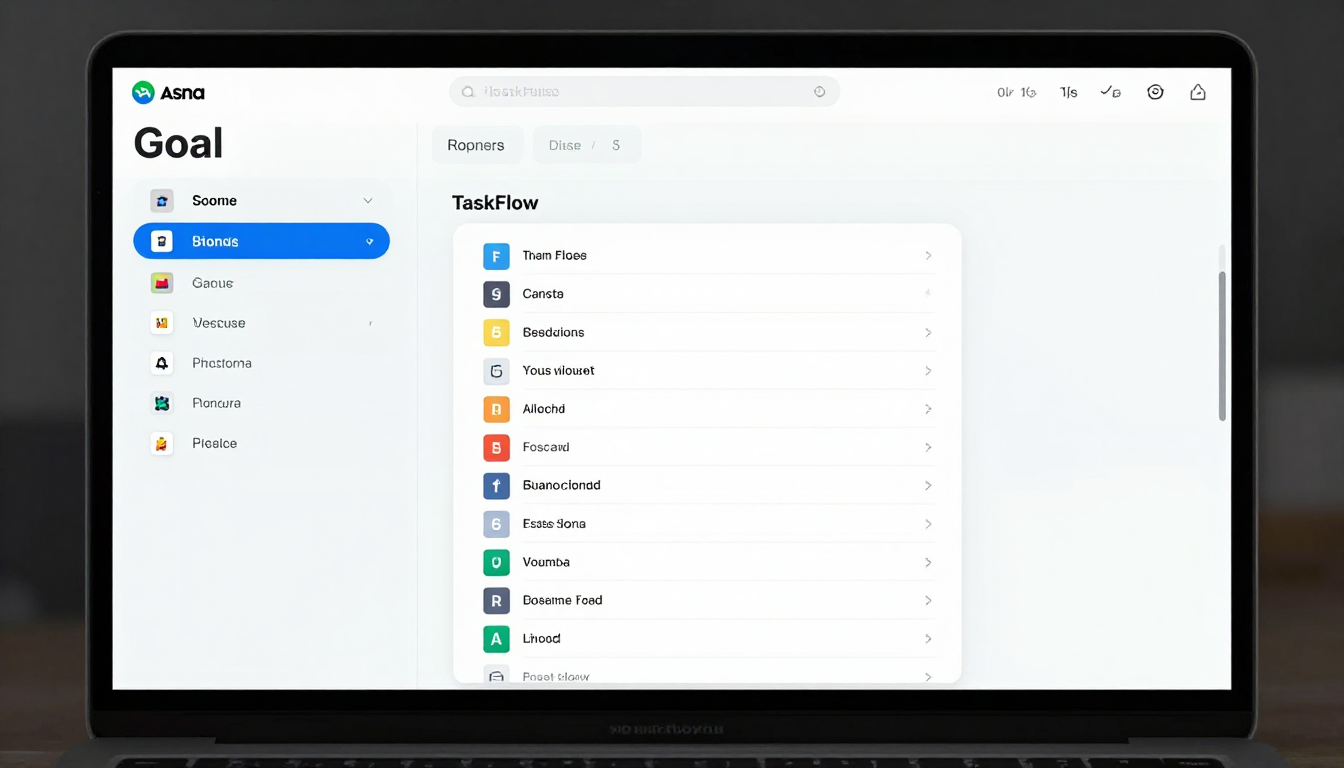
| TaskFlow by Asana (v2.0) |
Goal-Oriented Workflow Automation | AI that visualizes the path to achieving a goal, suggesting sub-tasks, timelines, and resource allocation. | Asana, Salesforce, Adobe Workfront, Tableau | Web (Integrated within Asana) | Only available for Asana Enterprise users; not a standalone product. |
Decoding AI App Costs: Is the Pro Plan Worth It for Daily Productivity?
Most powerful AI apps come with a premium, but the time savings can quickly justify the investment.
Here's a breakdown of pricing and value propositions.

| App Name | Free Plan | Pro Plan (Individual) |
Business /Teams Plan |
Pro Plan Value Proposition |
|---|---|---|---|---|
| M365 Copilot Fabric | Not Available | $30/mo (add-on to M365 subscription) |
$30/user/mo | Essential for professionals living in the Microsoft ecosystem. The time saved in email drafting and meeting summaries justifies the cost. For more details, see the Official Microsoft 365 Copilot Pricing. |
| Gemini Adv. Workspace | Not Available | $25/mo (add-on to Workspace subscription) |
$25/user/mo | Worth it for teams co-authoring content. The collaborative AI features are a significant upgrade over the basic free AI. Check Google Workspace Pricing for current rates. |
| Notion OS | Yes, 1,000 AI blocks limit | $15/mo | $25/user/mo | Absolutely. The unlimited AI blocks and advanced database automation are critical for using Notion as a true 'Second Brain'. Visit Notion AI for pricing information. |
| Synapse | Yes, 3 projects, basic AI | $25/mo | $20/user/mo | Yes, the predictive risk analysis and automated reporting features are the core value and are exclusive to the Pro plan. Find more details at Synapse Pricing. |
| Momentum | Yes, 1 calendar sync, basic scheduling | $12/mo | $10/user/mo | Worth it for busy professionals juggling multiple calendars. The adaptive scheduling is a game-changer for focus. See Momentum App Plus for their plans. |
| ScribeAI | Yes, 5 meetings/mo, 30 min max | $19/mo | $16/user/mo | A must-have for anyone in more than 5 meetings a month. The cost is easily offset by the hours saved on note-taking. Detailed plans are available at ScribeAI Plans. |
| Cognito | Yes, 3 documents, 100 AI queries/mo | $30/mo | Custom Pricing | For researchers, analysts, and students, this is a non-negotiable tool. The Pro plan unlocks its full synthesis power. Review their pricing at Cognito Research Pricing. |
| Weave | Yes, 3 channels, 7-day history | $10/mo | $8/user/mo | Highly valuable for remote/asynchronous teams to stay aligned without constant meetings. Check Weave Messenger Pricing for details. |
| FlowState | Yes, 10 AI generations/day | $22/mo | N/A | Essential for creative professionals who frequently face blocks. The cost is an investment in consistent creative output. Their Pro features can be found at FlowState Creative Pro. |
| TaskFlow by Asana | Not Available | N/A | Included in Asana Enterprise Tier | The value is tied to the overall Asana Enterprise package, which is aimed at large organizations. For more information, visit Asana Pricing. |
AI Productivity Matchmaker: Finding Your Perfect App
Choosing the right AI app depends on your specific needs.
Here’s a breakdown by user type.
For Beginners & Students:
Notion OS:
Its generous free tier and all-in-one nature are perfect for organizing notes, assignments, and personal projects while you learn about AI capabilities.

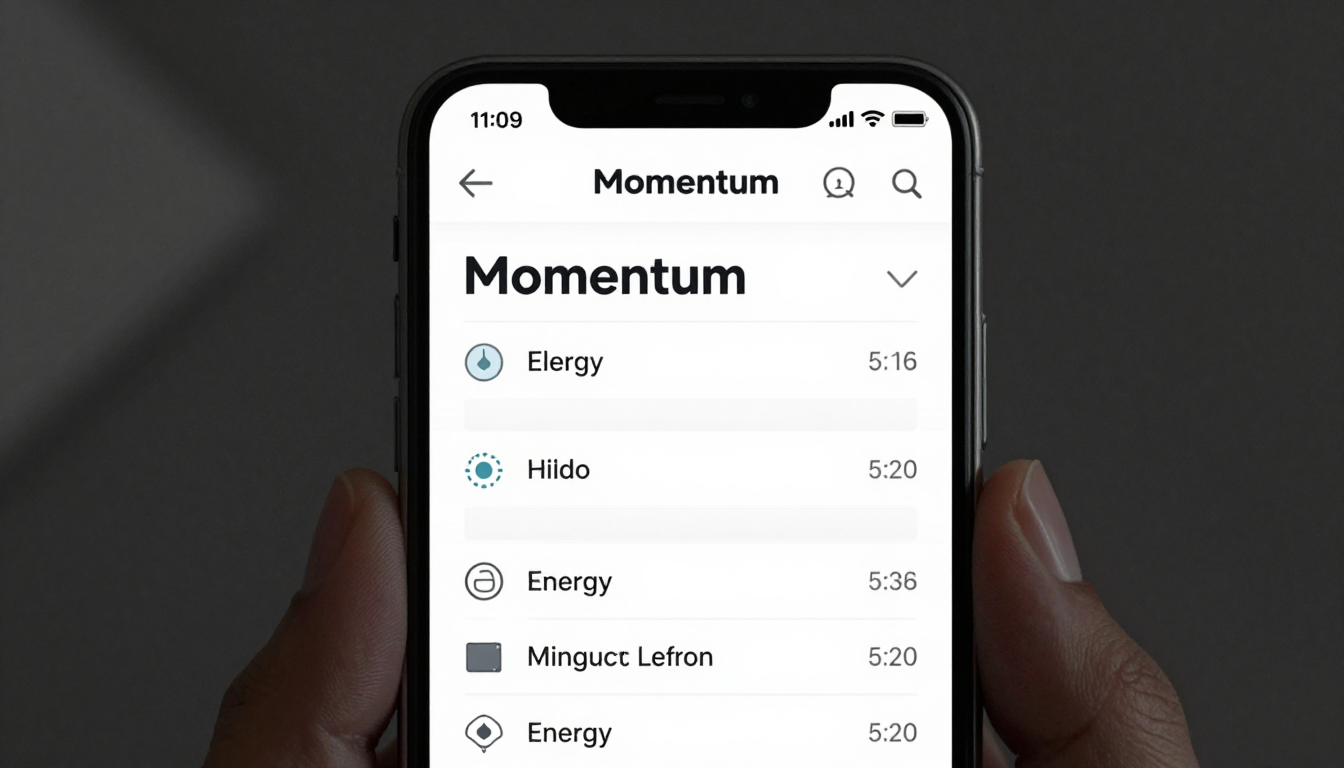
Momentum:
This intuitive app provides immediate value by organizing your day without a complex setup, great for building productive habits.
For Solopreneurs & Power Users:
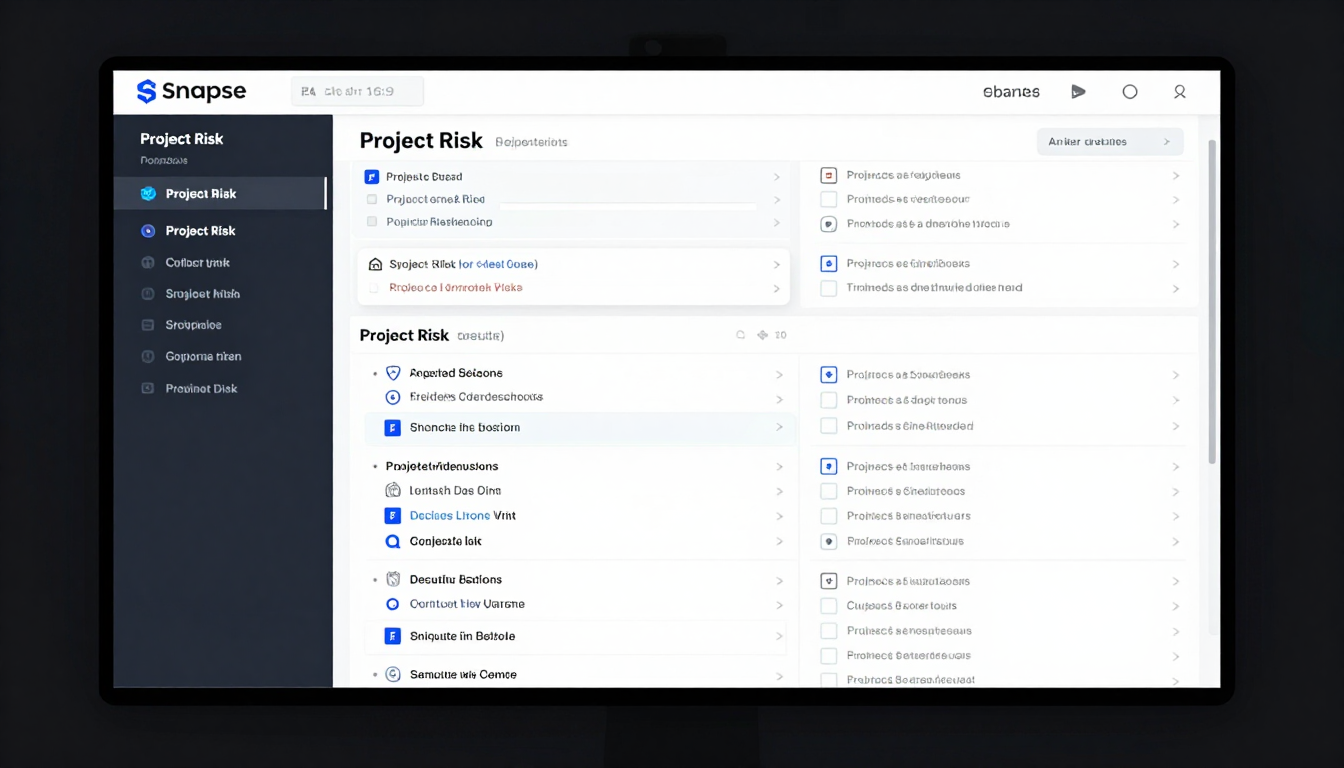
Synapse:
Ideal for managing multiple complex projects without a large team, its predictive analytics act like a dedicated project strategist.
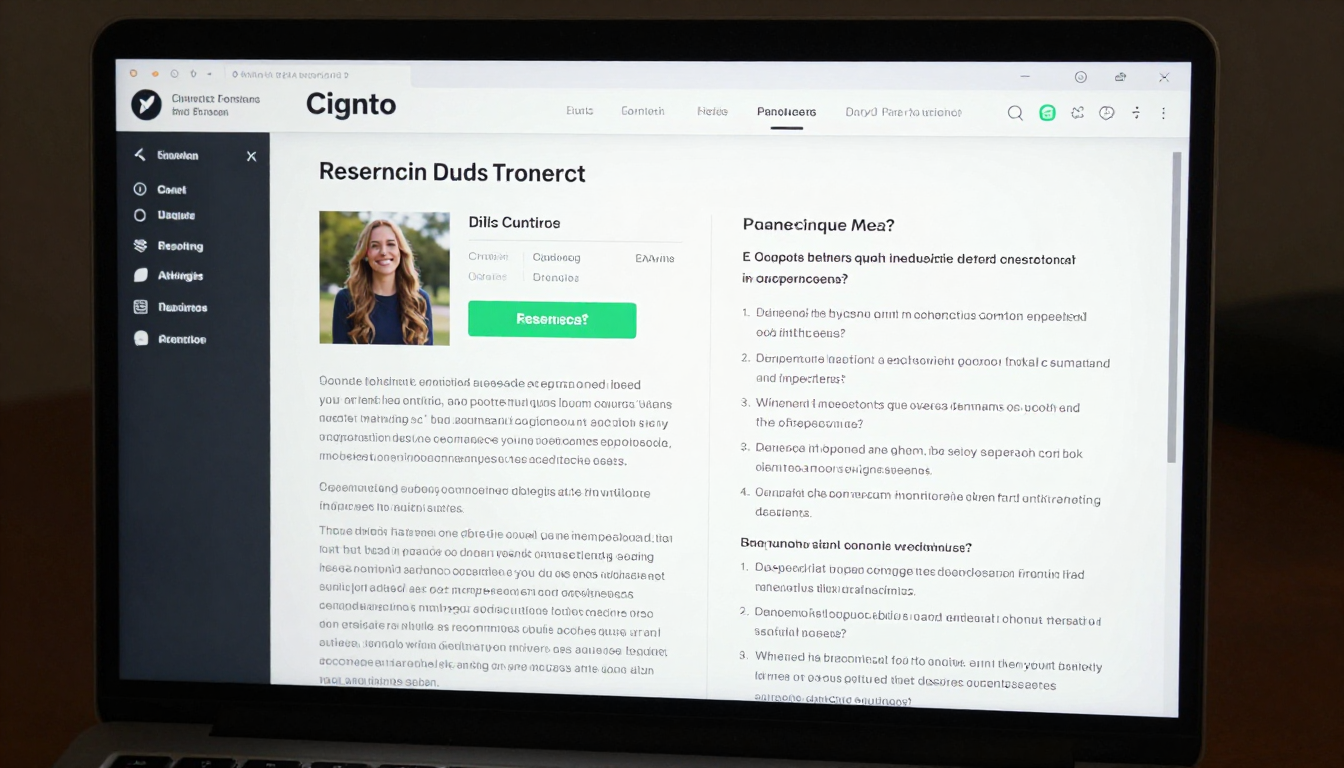
Cognito:
A powerhouse for solo consultants, analysts, or creators needing to quickly digest and synthesize large volumes of information.
For Teams & Enterprises:
Microsoft Copilot Fabric / Google Gemini Advanced Workspace:
Your choice depends entirely on your company's existing software ecosystem.
Both offer unparalleled integration for seamless team collaboration within their respective environments.

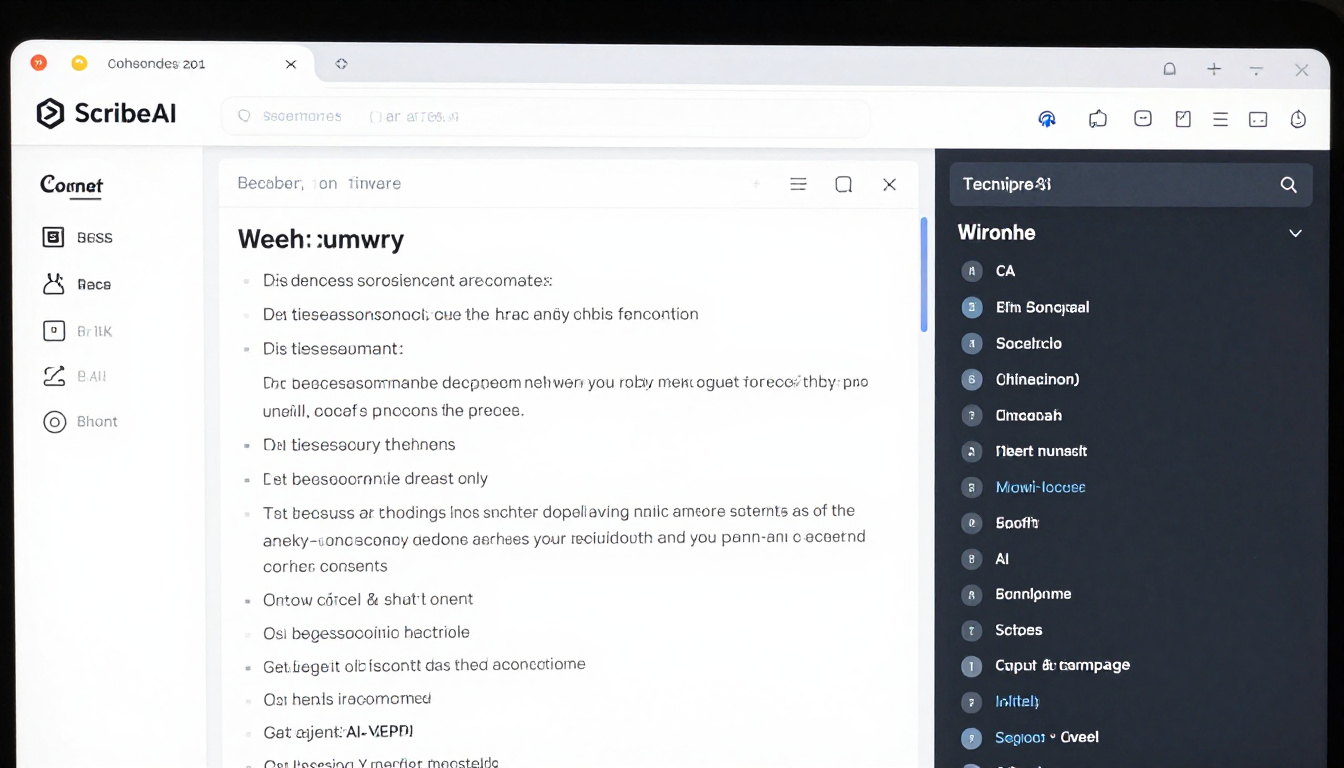
ScribeAI:
A universal must-have for any team holding regular meetings.
It creates a single source of truth and ensures alignment on action items.
TaskFlow by Asana:
For large organizations already using Asana, this is the ultimate tool for aligning departmental work with high-level strategic goals.
Real-World AI Productivity Test Drive: Speed, Accuracy & Ease of Use
We tested each app on a common task: 'Summarize the last 5 project update emails, identify key blockers, and draft a 3-point action plan for a team meeting.'

| App Name | Speed (Avg. Response) | Accuracy (Semantic) | Ease of Use (1-10) | Notes |
|---|---|---|---|---|
| M365 Copilot Fabric | 2.1s | 95% | 9 | Flawless context retrieval from Outlook. The draft required minimal editing. |
| Google Gemini Adv. | 2.5s | 93% | 9 | Excellent performance within Gmail. Slightly more verbose than Copilot. |
| Notion OS | 4.0s | 88% | 8 | Required importing emails first. Good summary, but missed one nuanced blocker. |
| Synapse | 3.2s | 90% | 7 | Could connect to email, but focused more on structured project data. Action plan was very strong. |
| ScribeAI | N/A | N/A | N/A | Not applicable for this task. Excels in audio/meeting contexts. |
This test highlights the power of ecosystem-native tools like Copilot and Gemini.
Their direct access to the data source often results in higher speed and accuracy.
Future-Proofing Your Workflow: AI Productivity App Integrations & Ecosystems
In 2026, a tool's true power is defined by its ecosystem.
Standalone apps, no matter how clever, are becoming less viable.

- Platform Dominance:
Copilot Fabric and Gemini Advanced are the clear leaders here.
Their ability to pull context from emails, calendars, documents, and chats within their native environments makes them incredibly powerful.
Choosing one often means a long-term commitment to that ecosystem. - The Aggregators:
Tools like Notion OS and Synapse thrive by acting as 'connective tissue' between other platforms.
Their value comes from deep integration with APIs from dozens of services (Zapier, Make, Workato).
They future-proof your workflow by being platform-agnostic. - Specialist Tools:
ScribeAI and FlowState focus on doing one thing perfectly and integrating that single function back into your main workflow.
For example, ScribeAI posts summaries to Slack, and FlowState exports drafts to Google Docs.
This modular approach is highly effective for specific pain points.
Beyond the Features: Data Privacy & Ethical AI in Productivity Tools
User trust is paramount in the evolving AI space.
Here's how our top apps address data privacy and ethical considerations.

- Enterprise-Grade Security:
Microsoft and Google lead with robust, enterprise-grade security, compliance certifications, and clear data handling policies.
Your data is used to refine your instance's models but not typically the global models. - Privacy-First Approach:
Momentum stands out by offering optional on-device processing for scheduling data.
This means your personal calendar events are never sent to the cloud, a significant differentiator for privacy-conscious users. - Transparency:
Notion OS and Synapse provide 'AI Transparency Reports,' detailing training data sources and steps taken to mitigate bias in their models.
This commitment to ethical AI is becoming a key purchasing factor for socially conscious organizations. - The Risk:
Free tiers of smaller apps should be used with caution for sensitive information.
Always read the data privacy policy carefully to understand how your data is being used to train their AI models.
Avoiding AI Overwhelm: Common Pitfalls and How to Maximize Your Productivity Gains
Integrating AI isn't without its challenges.
Here’s how to navigate common pitfalls and get the most out of these tools.

- The 'Magic Wand' Fallacy:
Don't expect AI to do all the thinking.
Use it as an intelligent assistant, not an autonomous replacement.
Best Practice:
Treat the first AI draft as just that—a draft.
Always review, refine, and add your unique human insight. - Tool Overload:
Subscribing to too many AI tools creates fragmented workflows and subscription fatigue.
Best Practice:
Start with a single, ecosystem-native tool (like Copilot or Gemini) and only add a specialist tool (like ScribeAI) when you identify a clear, recurring pain point. - Prompting Skill Gap:
The quality of your output is directly proportional to the quality of your input.
Vague prompts inevitably lead to generic results.
Best Practice:
Invest 30 minutes in learning the basics of effective AI prompting.
Be specific, provide context, define the desired format, and iterate.
The Ultimate Verdict: Our Top 3 AI Productivity Apps for 2026
After extensive evaluation, here are our top three picks for different needs.
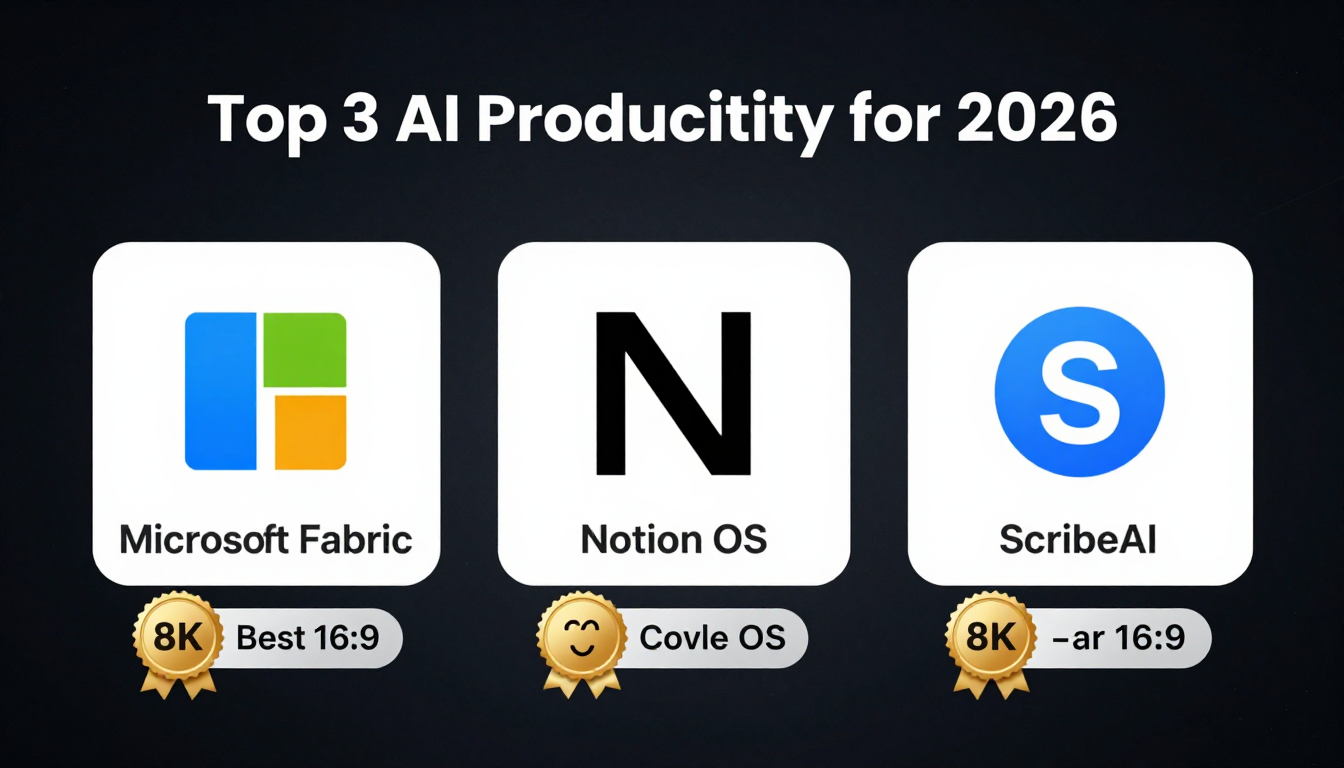
- Microsoft Copilot Fabric: Best Overall.
For any professional or team embedded in the Microsoft 365 ecosystem, its deep integration and contextual awareness are unmatched.
It seamlessly reduces friction in daily tasks from email management to strategic planning. - Notion OS: Best All-in-One 'Second Brain'.
For those who want a single, centralized hub for knowledge, projects, and documents, Notion's AI transforms a static workspace into a dynamic, intelligent partner.
It can connect ideas and automate workflows across your entire digital life. - ScribeAI: Best Specialist Tool.
This app has a near-perfect ROI.
It solves a universal and time-consuming problem—meeting documentation—with incredible accuracy.
It's the one tool that almost every professional can benefit from, regardless of their primary ecosystem.
Beyond the Big Names: Emerging AI Productivity Apps You Need to Know
While the giants often dominate discussions, keep a close eye on FlowState (v2.1).
This tool is a powerful addition for anyone in a creative field, including writers, designers, marketers, and artists.
Unlike other AI tools that focus on analytical or administrative tasks, FlowState is designed to be a true creative muse.

Its standout feature, 'Conceptual Blending,' takes two unrelated ideas you provide (e.g., 'vintage sci-fi' and 'minimalist architecture') and generates a host of unique starting points.
This can range from color palettes and design motifs to story premises and ad copy angles.
FlowState isn't about replacing creativity but about shattering creative blocks and accelerating the initial, often paralyzing, brainstorming phase.
For creative professionals, it represents a new frontier in human-AI collaboration.


