- Dual-AI Strategy: Microsoft is integrating Anthropic's Claude alongside OpenAI's GPT models, moving beyond single-provider reliance.
- Hidden Features: Claude-powered functionalities are appearing in apps like Notepad, Bing, and Outlook, often unannounced and with a focus on safety and nuanced perspectives.
- Performance & Issues: Claude excels in large context tasks but can be overly cautious, leading to a "split-brain" user experience and a lack of user control over model choice.
- Workflow Adaptation: Users need different prompting strategies for Claude (context-rich, safety-focused) versus Copilot (direct, creative), leading to a 'hybrid workflow'.
- Strategic Implications: This move offers Microsoft redundancy, leverage, and the ability to route tasks to the "best tool for the job," setting a new benchmark for AI platforms.
Microsoft's Dual-AI Play: Unpacking Claude's Integration into the Ecosystem
Microsoft's artificial intelligence strategy is evolving significantly, with the widespread integration of Anthropic's Claude AI now confirmed across various parts of the Microsoft software ecosystem.
This strategic shift, initially highlighted by reports from The Verge, signals a crucial move beyond Microsoft's perceived exclusive reliance on OpenAI's models for its Copilot initiatives.
For users, this means a more diverse set of AI capabilities, but also new complexities and adaptations in how they interact with their tools.
Hidden Claude Features Discovered in Microsoft Apps
While Microsoft has maintained a quiet stance, the user community has been actively uncovering new functionalities that bear the distinct characteristics of Anthropic's AI, separate from the familiar GPT-powered Copilot features.
These additions are not explicitly branded as 'Claude' but exhibit behaviors that align with its constitutional AI training.
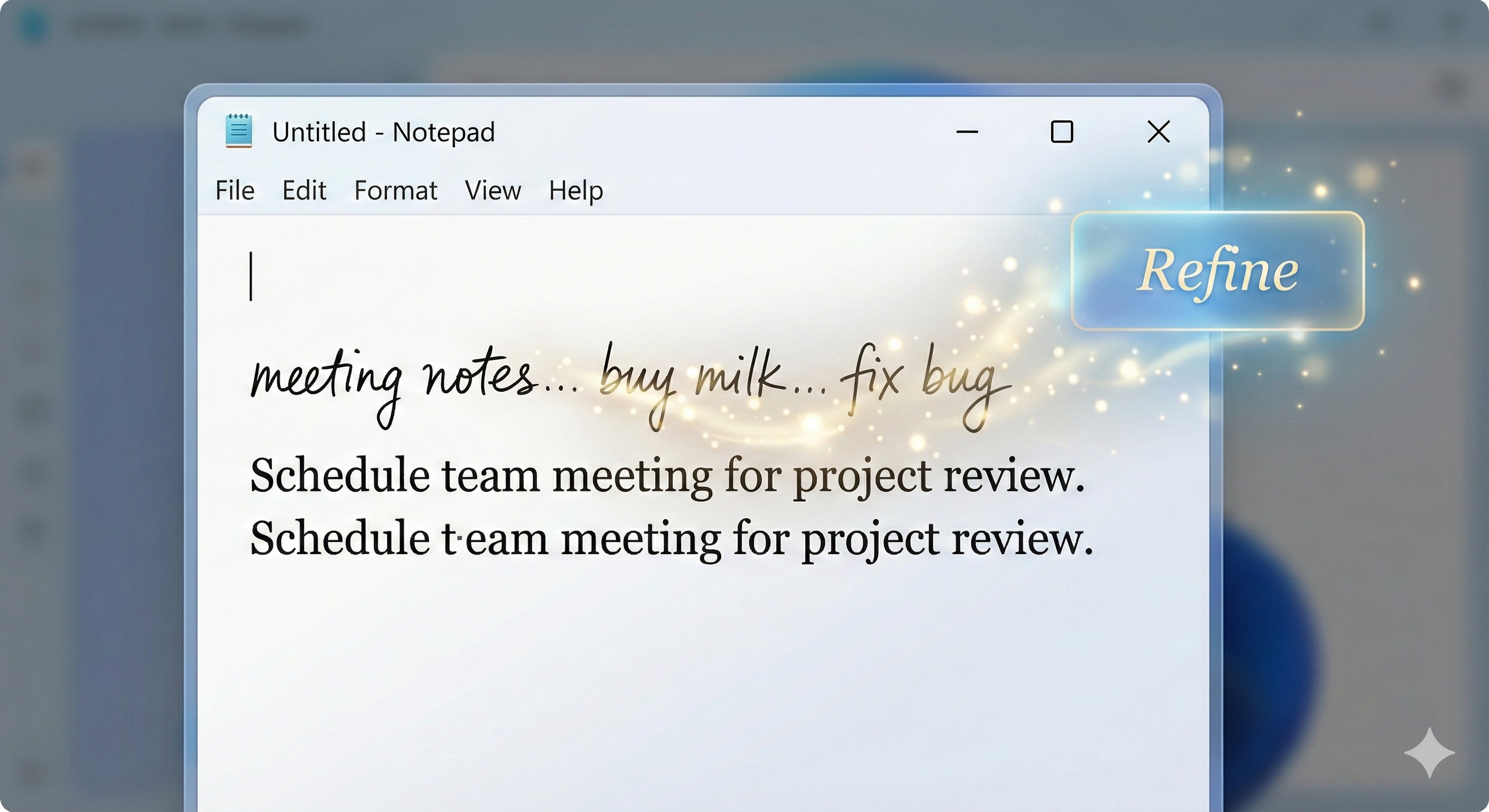
Notepad 'Constitutional Refine':
In the latest Insider builds of Notepad, users have discovered a powerful new feature.
By highlighting text and using the Ctrl+Shift+R shortcut, a 'Refine' panel emerges.Unlike Copilot's typical summarization, this function often rephrases text to be more neutral, safe, and ethically aligned.
This capability is particularly effective for simplifying complex legal or policy documents, reflecting Claude's strengths in ethical reasoning.
Bing 'Perspective Synthesis':
For certain controversial or nuanced search queries, Bing is now presenting an innovative answer box format labeled 'Synthesized Perspectives'.
Rather than a single generative answer, it provides two to three distinct, well-reasoned viewpoints.
This approach aims to reduce bias and offer a more balanced understanding, a known research focus for Anthropic's models.
While still rumored in some areas, its appearance suggests deeper integration.
Outlook 'Safety Advisor':
Enterprise clients utilizing beta channels have reported an 'Email Safety Advisor' feature.
This tool flags potentially manipulative language, high-pressure sales tactics, or internal policy violations in incoming emails.
The verbose and cautious explanations provided by this feature strongly indicate a Claude model is operating behind the scenes, distinct from standard phishing filters.
Claude Integration: Real-World Performance & Resource Use
The introduction of a second major AI engine inevitably brings tangible effects on system performance and resource consumption.
Early benchmarks and user reports present a mixed but insightful picture.
Responsiveness:
For quick, creative tasks, the existing Copilot (GPT-based) features generally maintain their faster response times.
However, when tasks require extensive context processing, such as summarizing a 100-page document pasted into a OneNote beta, Claude-powered features reportedly offer greater coherence and a reduced tendency for hallucination.
This comes with a trade-off: a slightly longer initial processing time for these larger tasks.
Resource Consumption:
The on-device 'Refine' feature in Notepad has been positively noted for its minimal memory footprint.
This suggests Microsoft is likely employing a smaller, optimized Claude model for these lightweight integrations.
Conversely, server-side tasks, such as Bing's 'Perspective Synthesis', have been observed to cause a marginal increase (estimated 5-10%) in page load times, according to independent analysis.
Community Feedback: Top Bugs and User Experience Issues with Claude
The unannounced rollout of these Claude integrations has not been entirely seamless, generating considerable discussion and feedback across user forums and developer communities.
AI 'Split-Brain' Syndrome:
The most frequent complaint centers on inconsistency.
Users might ask a question in the Windows Copilot sidebar and receive one type of answer, then use a new integrated feature within a different application and receive a conflicting, often more reserved, response.
This creates a disjointed and unpredictable user experience, making it hard to anticipate AI behavior.

Overly Cautious Refusals:
Users are reporting that the newly integrated Claude-powered features are significantly more prone to refusing prompts deemed ambiguous or potentially 'unsafe'.
For instance, a request in Notepad to 'roast my friend's code' might be outright rejected with a lengthy explanation on the importance of constructive feedback, a response not typically seen from the more direct Copilot.
Lack of Control:
A significant point of frustration for many users is the current inability to choose which AI model to employ for a given task.
The system automatically decides, which can be irritating when a user prefers one AI's specific style or capability over the other for a particular objective.
Adapting to Claude AI: Workflow Shifts and Learning Curve
The co-existence of two powerful yet distinct AIs is prompting users to adjust their daily routines and interaction methods.
This requires a learning curve, particularly given the stealthy rollout.
Prompt Engineering Divergence:
Advanced users are quickly realizing that successful interaction requires 'prompting' the two AI personalities differently.
Prompts for Copilot can often be more direct and creative, encouraging imaginative output.
In contrast, prompts for Claude-powered features yield better results when framed with more context, specific constraints, and a clear objective for safety or balance.
Migration Pain Points:
For years, users have been accustomed to the 'Copilot way' of interacting with AI within Microsoft.
This sudden, often unannounced, shift necessitates re-learning the nuances of the tools they use daily.
The most significant pain point is the absence of official documentation for these Claude features, which forces reliance on community-driven discovery and experimentation.
The Rise of the 'Hybrid Workflow':
Savvy users are beginning to develop 'hybrid workflows', effectively chaining the AIs together.
For example, a developer might use Copilot to generate a block of Python code, then paste it into a beta version of VS Code and invoke a (rumored) 'Claude Security Audit' function to check for vulnerabilities.
This approach leverages the distinct strengths of both models for comprehensive results.
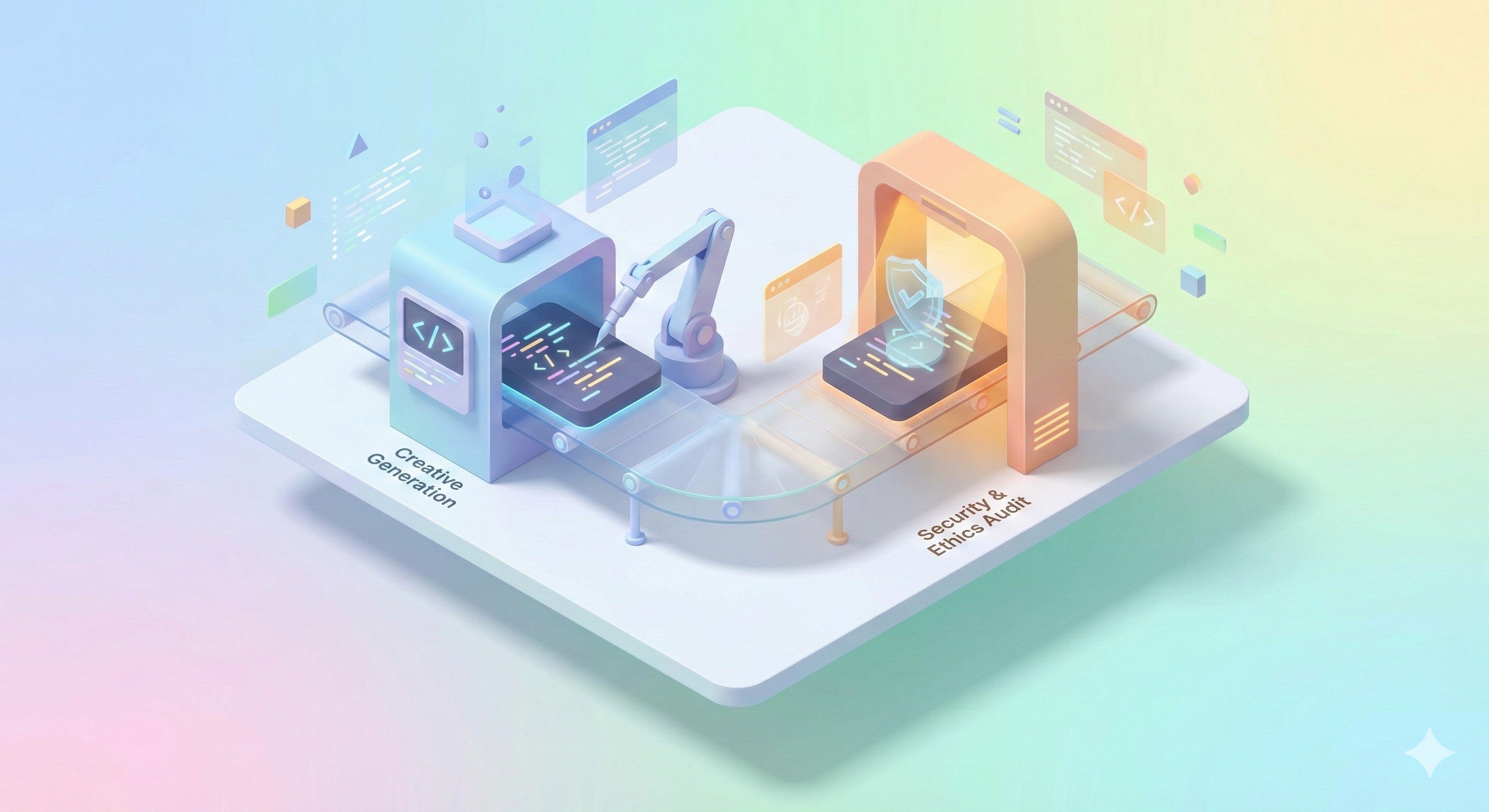
Strategic Shift: Microsoft's Dual AI Play with Claude and Copilot
This unfolding integration is not merely a collection of features; it represents a fundamental shift in Microsoft's strategic approach to artificial intelligence.
By incorporating both OpenAI and Anthropic models, Microsoft is executing a classic multi-sourcing play designed to de-risk its AI ambitions and build a more resilient platform.
Redundancy and Leverage:
Relying solely on OpenAI presented a strategic vulnerability for Microsoft.
By establishing Anthropic as a first-class citizen within its ecosystem, Microsoft creates a hedge against potential technical stagnation, pricing changes, or any unforeseen issues with a single partner.
This also provides significant negotiating leverage over both major AI labs.
Best Tool for the Job:
Critically, this dual-AI strategy enables Microsoft to intelligently route user requests to the most suitable model behind the scenes.
A creative request, like generating a poem, can be directed to a GPT model, while a request to summarize a sensitive HR document or analyze policy compliance can be handled by Claude.
This 'intelligent routing' could become a key competitive differentiator.
| Feature Comparison | Microsoft Copilot (OpenAI-based) | Microsoft's Claude Integrations (Anthropic-based) |
|---|---|---|
| Primary Strength | Creative generation, speed, flexibility | Safety, coherence in long contexts, reasoning |
| Observed Personality | More creative, sometimes unpredictable | More cautious, structured, sometimes verbose |
| Ideal Use Cases | Code generation, marketing copy, brainstorming | Document analysis, policy review, safety checks |
| Current State | Officially branded, widely available | Unofficial, hidden in beta/insider builds |
Data Privacy and Enterprise Implications of Pervasive Claude
The introduction of a new major AI partner like Anthropic raises significant questions, especially for individuals concerned with privacy and for enterprises operating under strict regulatory frameworks.
Updated Data Policies:
Microsoft has yet to release a clear, consolidated privacy statement specifically detailing how user data is shared with or processed by Anthropic for these new integrations.
A crucial question remains: do the same 'Your data is not used for training' promises, made for the Azure OpenAI service, apply equally to these emerging Claude integrations?
Enterprise Compliance:
For enterprise customers, this development is particularly significant.
They must now seek urgent clarification on data residency and compliance for prompts handled by Anthropic's models, especially concerning regulations like GDPR and HIPAA.
Until Microsoft provides a dedicated 'Azure Anthropic Service' with the same robust guarantees as its OpenAI counterpart, adoption in highly regulated industries will likely proceed with extreme caution.
Competitive Edge: How Claude Integration Reshapes the AI Market
Microsoft's deliberate dual-AI strategy is a calculated power move that is fundamentally reshaping the competitive landscape of the AI market.
Pressure on Google and Apple:
Competitors who have largely aligned themselves with a single foundational model, such as Google with Gemini, now appear less flexible in comparison.
Microsoft can now credibly claim to offer a 'best of both worlds' platform that is more robust and capable than any single-model ecosystem.
Setting a New Benchmark:
The expectation for enterprise-grade AI platforms may now shift.
Instead of simply offering a single powerful model, the new benchmark could become offering a curated choice of multiple, state-of-the-art models under a unified security, management, and compliance umbrella.
Beyond Notepad: Deeper Claude Integrations and Future Roadmap
The current stealthy integrations are likely just the beginning of a much broader vision.
Based on the ongoing rollout, we can anticipate Microsoft's long-term trajectory for Claude.
Azure Anthropic Service:
It seems almost inevitable that Microsoft will officially launch an 'Azure Anthropic Service'.
This would stand alongside the immensely popular Azure OpenAI Service, providing developers with the explicit choice to integrate their preferred model via API, complete with enterprise-grade assurances.
Microsoft 365:
Expect deeper, officially announced integrations across the entire Microsoft 365 suite.
Claude could become the default engine for critical functions like Microsoft Purview, handling compliance and data governance, while Copilot continues to power user-facing creativity and productivity features in applications like Word and PowerPoint.
The Agnostic OS:
The ultimate goal appears to be an AI-agnostic operating system.
In the future, Windows may transition from having a specific 'Copilot' button to a more general 'AI' button.
The underlying model would then be dynamically selected based on the user's specific task, context, and any relevant enterprise policies, leading to a silent and seamless integration.
This intelligent routing is the true endgame of Microsoft's dual-AI strategy.


